Global Livestock Equipment Manufacturer & Supplier
SHEWUYOU · Livestock Equipment
Integrated Equipment Solutions for Pig, Cattle & Poultry Farms

Borosilicate Glass Stirring Rod for Semen Laboratory

Product Showcase content
Product Name Borosilicate Glass Stirring Rod
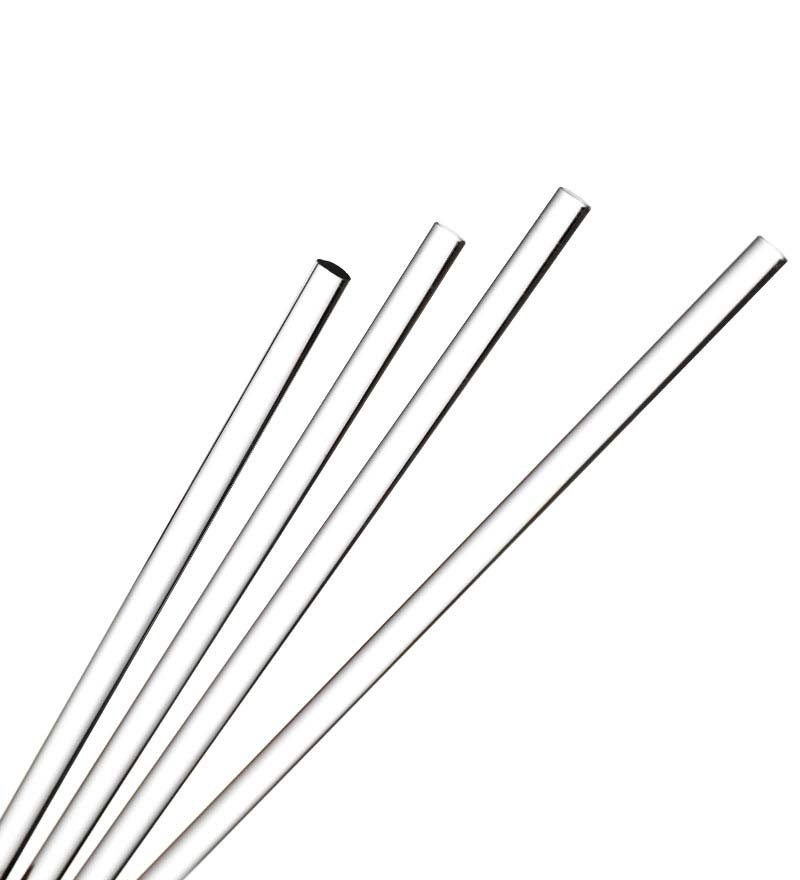
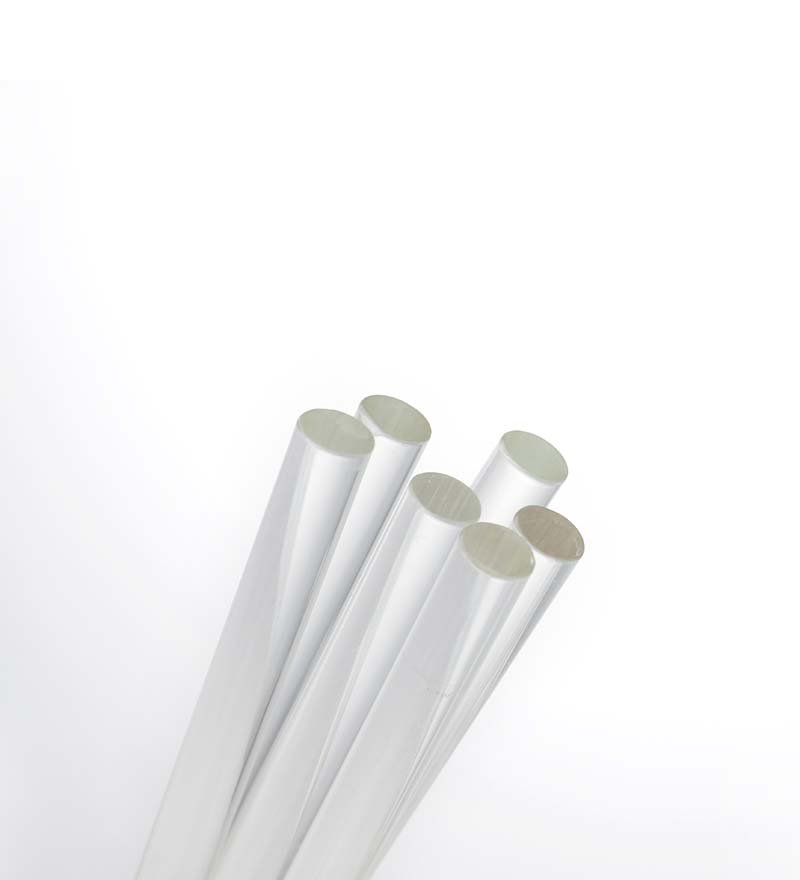
Product Image Borosilicate Glass Stirring Rod for Boar Semen Laboratory
Product Overview The Borosilicate Glass Stirring Rod is a simple and practical laboratory accessory designed for liquid mixing, solution preparation, liquid guidance, sampling, and other routine laboratory operations.

In pig artificial insemination laboratories, it can be used during the preparation of semen extenders, laboratory solutions, cleaning solutions, and other compatible liquids. Its smooth transparent glass surface allows easy visual inspection and convenient cleaning between laboratory procedures.

Manufactured from high-borosilicate glass, the rod provides good resistance to temperature changes and commonly used laboratory chemicals. Multiple length options make it suitable for beakers, measuring vessels, laboratory containers, and semen processing accessories of different sizes.
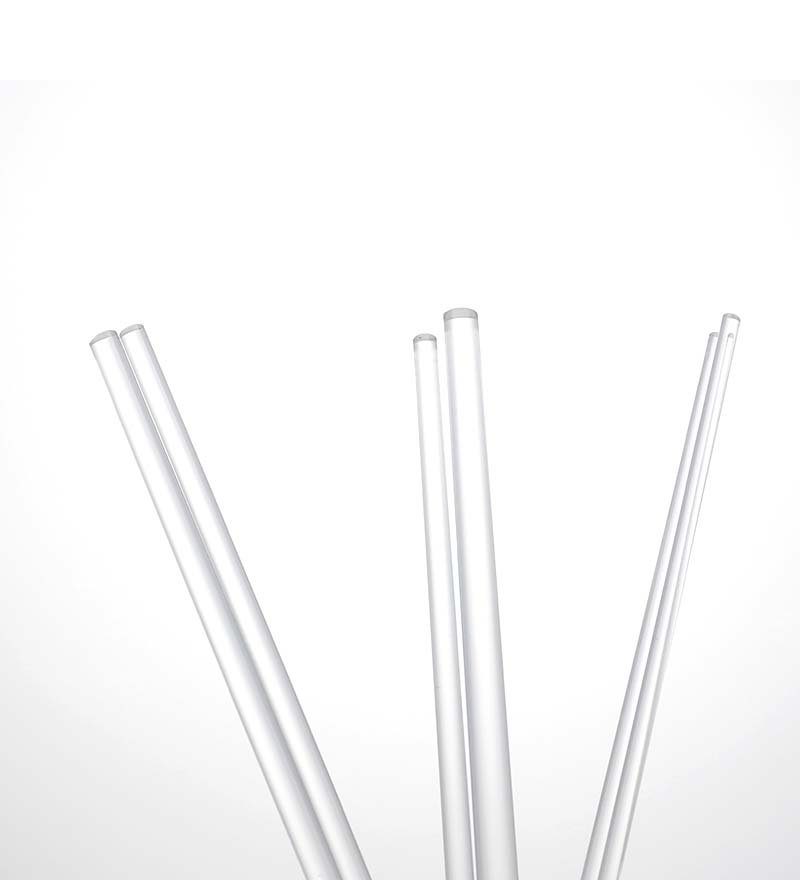
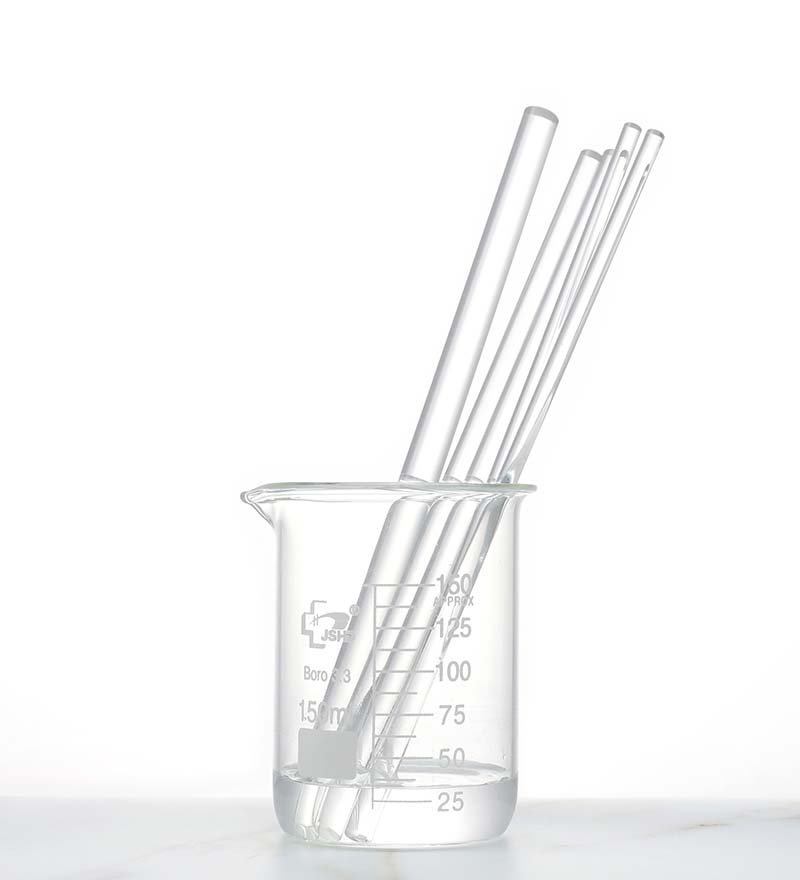
Product Gallery Product gallery views can include the transparent glass rod, different available lengths, smooth rod surface, rounded working ends, laboratory mixing applications, extender preparation, and use with beakers or other semen processing containers.
Key Features
  • Manufactured from high-borosilicate glass for routine laboratory use.
  • Suitable for stirring and mixing liquid laboratory solutions.
  • Helps accelerate dissolution and improve uniform mixing of compatible materials.
  • Can be used to guide liquids during pouring and transfer operations.
  • Suitable for dipping and transferring small quantities of compatible liquids.
  • Transparent construction allows easy visual inspection before and after use.
  • Smooth glass surface is easy to rinse and clean.
  • Good resistance to temperature changes during normal laboratory procedures.
  • Good resistance to many commonly used laboratory chemicals.
  • Available in 20 cm, 25 cm, and 30 cm lengths.
  • Reusable design provides an economical accessory for routine laboratory work.
  • Suitable for pig breeding laboratories, boar studs, AI centers, veterinary laboratories, and research facilities.
Working Principle The glass stirring rod is operated manually. The rod is placed into a compatible liquid and moved in a controlled circular or back-and-forth motion to improve liquid circulation and promote uniform mixing.

During solution preparation, stirring increases contact between the liquid and soluble material, helping accelerate dissolution and produce a more homogeneous mixture.

The rod can also be placed against the edge of a vessel when pouring liquid. The liquid follows the glass surface, helping provide more controlled transfer and reducing uncontrolled dripping or splashing.
Technical Specifications
  • Product Type: Laboratory Glass Stirring Rod
  • Material: High-Borosilicate Glass
  • Color: Transparent
  • Available Lengths: 20 cm / 25 cm / 30 cm
  • Operation: Manual
  • Primary Function: Stirring, Mixing, Liquid Guidance and Sampling
  • Typical Environment: Laboratory / Semen Processing Room
  • Reusable: Yes
  • Typical Application: Boar Semen Laboratory and General Laboratory Liquid Preparation

Product dimensions and packaging can be supplied according to order requirements. Please confirm the required length and quantity before ordering.

Applications
  • Preparation and mixing of boar semen extender solutions.
  • Mixing compatible laboratory reagents and solutions.
  • Stirring liquids during routine semen laboratory preparation.
  • Guiding liquids when transferring between laboratory containers.
  • Dipping and transferring small quantities of compatible liquids.
  • General laboratory solution preparation.
  • Commercial boar studs and semen production centers.
  • Pig farm artificial insemination laboratories.
  • Veterinary reproduction laboratories.
  • Livestock breeding research and teaching laboratories.
Installation & Maintenance Preparation and Use:
  • Inspect the glass rod before each use for cracks, chips, scratches, or other visible damage.
  • Clean the rod thoroughly before contact with laboratory solutions or semen-processing materials.
  • Select a rod length appropriate for the size and depth of the laboratory vessel.
  • Stir gently to avoid hitting or scratching the inner wall of glass containers.
  • Avoid excessive force that may damage the rod or laboratory vessel.
Cleaning and Maintenance:
  • Rinse immediately after use to prevent material from drying on the surface.
  • Wash with an appropriate laboratory cleaning solution according to the substances being handled.
  • Rinse thoroughly with clean or purified water when required by the laboratory procedure.
  • Allow the rod to dry completely before storage.
  • Store in a protected rack or container to reduce the risk of breakage.
  • Discard any rod with cracks, chips, deep scratches, or damaged ends.
Product FAQ

Q: What is this glass stirring rod mainly used for?
A: It is used for stirring and mixing compatible liquids, accelerating dissolution, guiding liquids during pouring, and performing other routine laboratory preparation tasks.

Q: Can it be used in a boar semen laboratory?
A: Yes. It can be used as a general laboratory accessory for preparing and mixing compatible semen extenders, laboratory solutions, and other liquids used in pig artificial insemination laboratories.

Q: What material is the stirring rod made from?
A: The rod is manufactured from high-borosilicate glass.

Q: What lengths are available?
A: Standard available lengths include 20 cm, 25 cm, and 30 cm.

Q: Is the glass rod reusable?
A: Yes. It can be reused after appropriate cleaning and inspection, provided that the glass remains free from cracks, chips, and significant scratches.

Q: Why is transparent borosilicate glass suitable for laboratory use?
A: The transparent surface allows easy visual inspection, while borosilicate glass provides useful thermal and chemical resistance for many routine laboratory procedures.

Q: How should the rod be cleaned?
A: It should be rinsed promptly after use, washed with a suitable laboratory cleaning agent, thoroughly rinsed, and completely dried before storage.

Q: When should a glass stirring rod be replaced?
A: Replace the rod if cracks, chips, deep scratches, rough edges, or other damage are found, because damaged glassware may break during laboratory use.

玻璃棒 玻璃棒 玻璃棒

Comments & Inquiries

Leave your questions or requirements below. We will reply as soon as possible.