



| Product Name | Poultry Transport Module Loading System | ||||||||||||||||||||
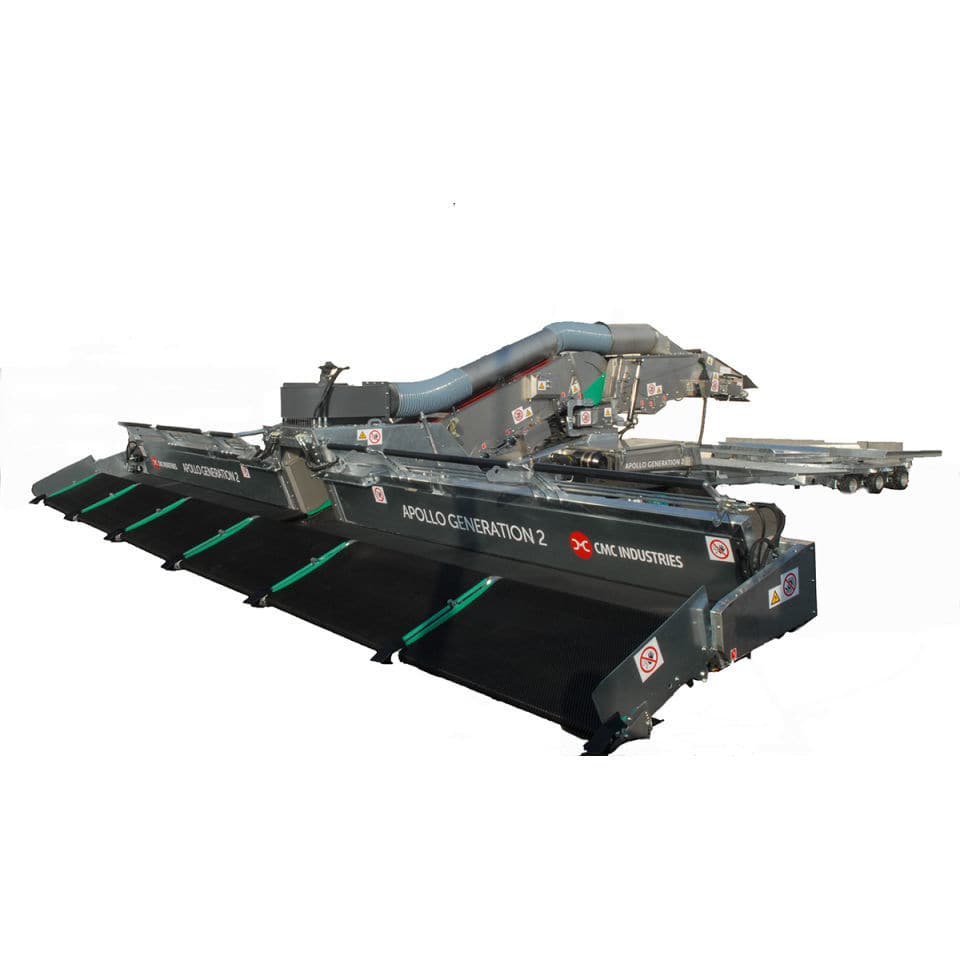
| Product Image | 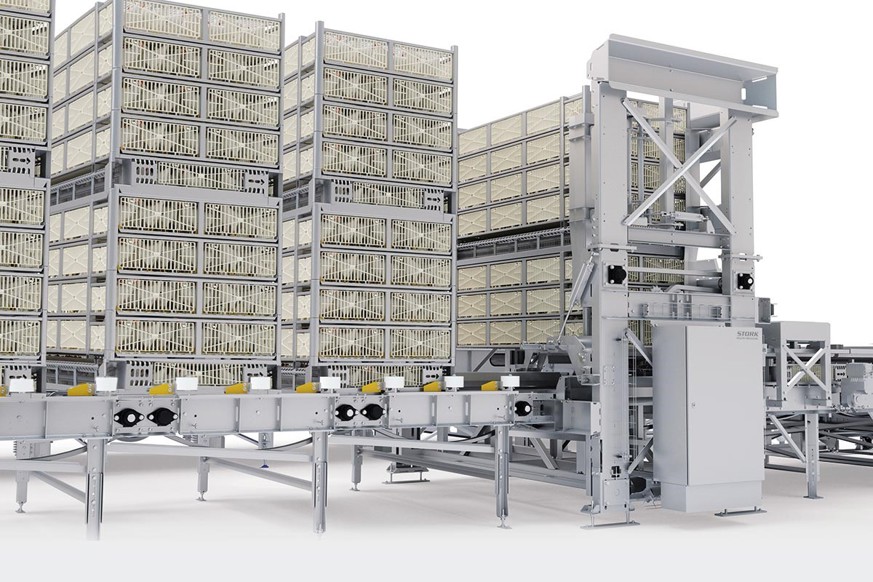 |
||||||||||||||||||||
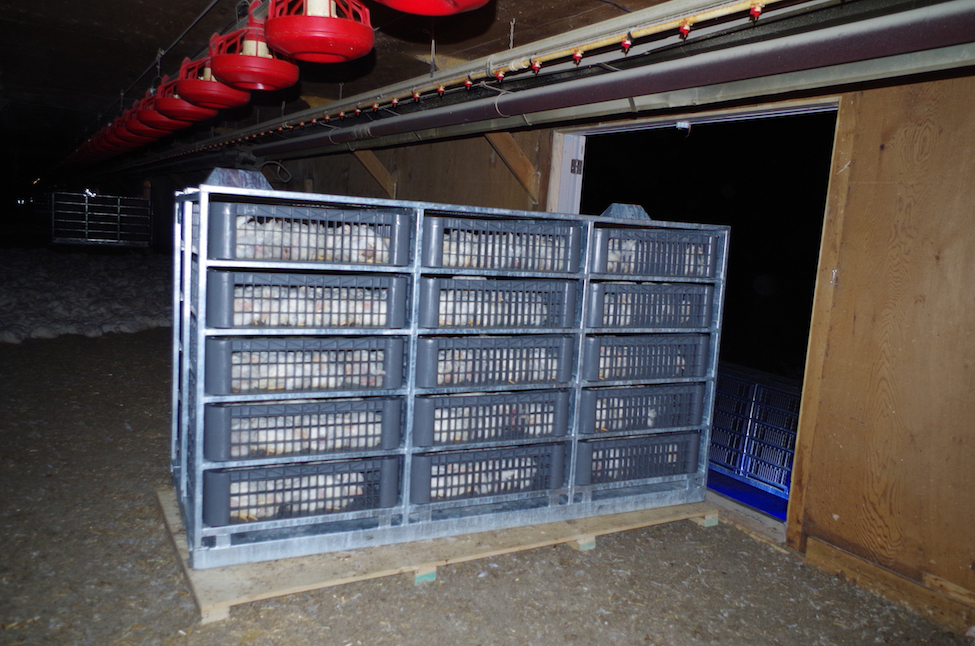
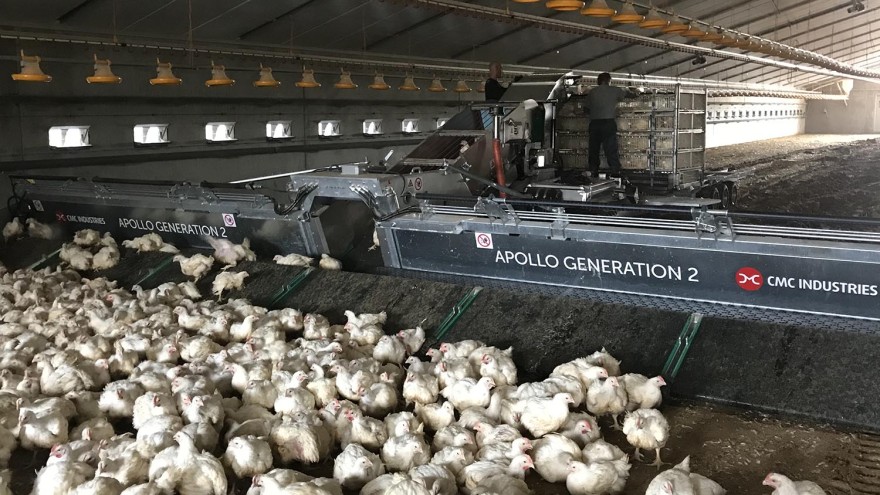
| Product Overview | The Poultry Transport Module Loading System is designed for the efficient movement of live broilers from the poultry house into transport modules and subsequently onto live-haul vehicles. Instead of carrying individual birds over long distances to conventional crates, the modular loading approach allows catch crews to place birds directly into purpose-designed drawers positioned close to the catching area. Once the modules are filled, a forklift or telehandler transfers them from the poultry house to the transport trailer. This workflow can reduce unnecessary bird handling, improve loading organization, and support a more controlled farm-to-processing logistics chain. The system can be planned for new commercial poultry houses or adapted to suitable existing barns following site and structural assessment. |
||||||||||||||||||||
| Key Features |
|
||||||||||||||||||||
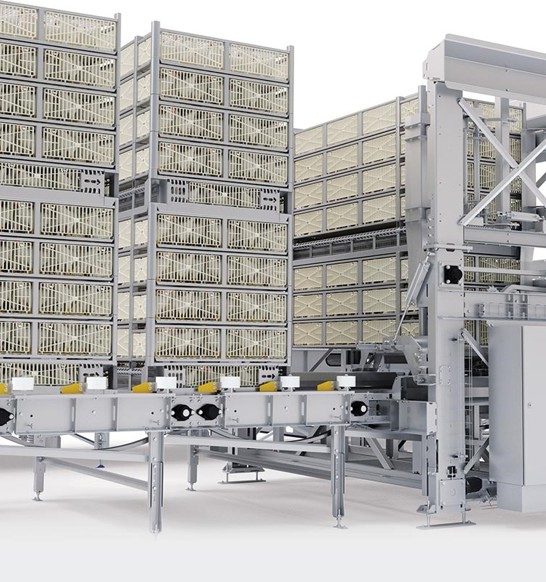
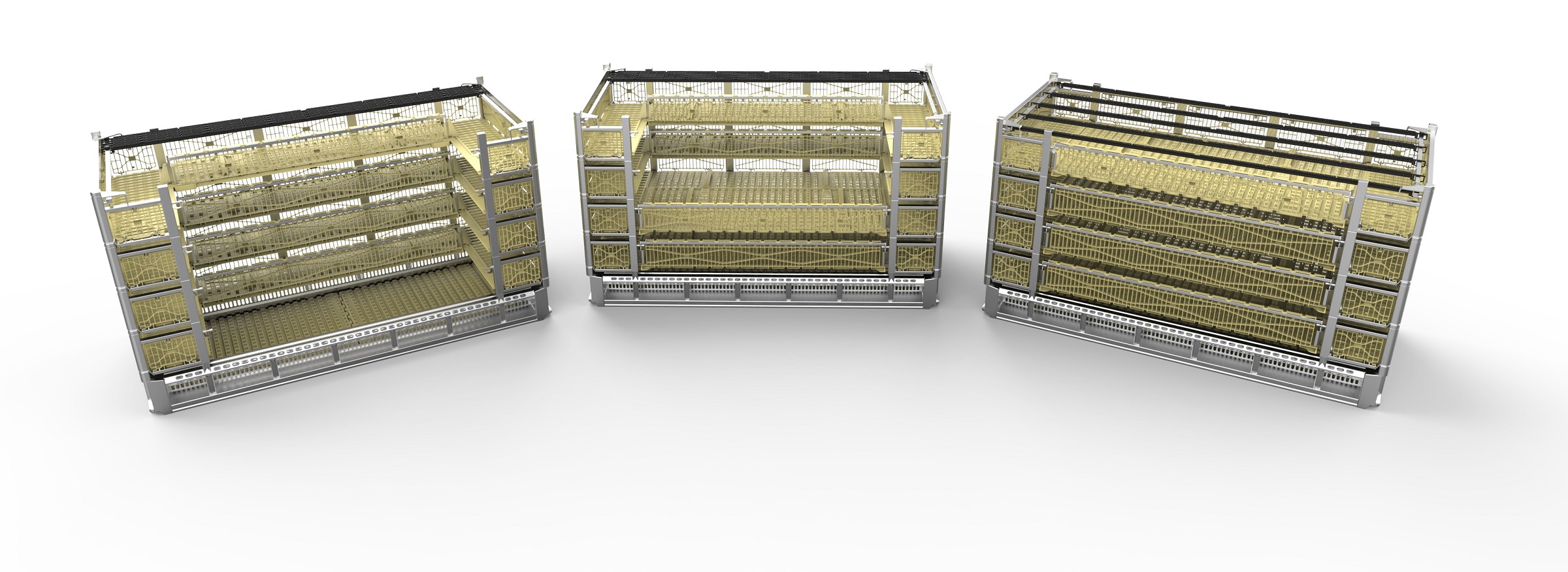
| Structural Components | A typical modular loading arrangement consists of transport modules, a rigid structural frame, stacked poultry drawers, module locating and locking points, forklift access provisions, loading doors or openings, transport-trailer interfaces, and suitable loading-yard surfaces. Transport modules generally use molded plastic drawers supported by welded metal tubing. Galvanized steel or stainless-steel construction can be selected according to the required corrosion resistance, washing conditions, service environment, and project specification. The complete system may also require site infrastructure such as reinforced floor areas, suitable door openings, loading pads, traffic lanes, lighting, and structural reinforcement where required by the building design. |
||||||||||||||||||||
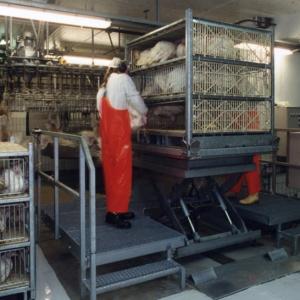
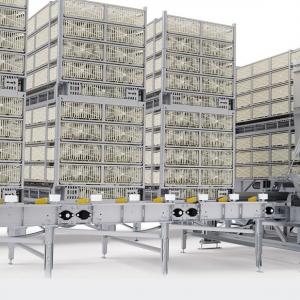
| Working Principle / Structural Principle | Empty transport modules are brought from the live-haul trailer into the poultry house using a forklift or telehandler. Modules are positioned close to the catching area so that birds can be placed directly into the accessible drawers. The drawers are progressively filled according to the module manufacturer's loading procedure. After loading is completed, the forklift or telehandler retrieves the full module and places it onto the designated transport trailer. Locating points and the module frame help maintain stable positioning during transport. At the processing facility, compatible modular handling systems can receive the transport modules for unloading and further live-bird processing. The overall configuration depends on the selected module design and processing plant interface. |
||||||||||||||||||||
| Technical Specifications |
|
||||||||||||||||||||
| Applications | The Poultry Transport Module Loading System is suitable for:
|
||||||||||||||||||||
| Customization Options | The loading system can be configured according to the poultry house layout, module type, transport trailer, handling equipment and processing plant requirements. Customization may include module dimensions, drawer arrangement, number of tiers, frame material, access configuration, forklift entry points, loading-door arrangement, module staging positions, loading-pad layout, traffic routes and transport interfaces. For new projects, the modular loading system can be incorporated into the overall poultry house and steel structure building design from the planning stage. For existing farms, modifications can be designed according to local building conditions, structural capacity, equipment clearance and access limitations. |
||||||||||||||||||||
| Installation & Maintenance | Installation focuses on preparing the poultry house and loading area for safe module movement. Door dimensions, ceiling clearance, forklift turning space, floor condition, loading-pad strength and transport-trailer positioning should be checked before commissioning. Existing multi-storey barns may require a structural assessment before loaded modules are introduced. Any required reinforcement should be completed according to the project engineer's design. The loading route should provide a smooth transition between the barn and loading area to minimize module movement shocks. Routine maintenance includes inspection of frame welds and fasteners, drawer condition, locating components, lifting interfaces, corrosion protection, and module alignment. Plastic drawers and structural components should be cleaned and disinfected according to the farm's biosecurity procedures and the applicable equipment specifications. |
||||||||||||||||||||
| Project Planning Considerations | Modular loading should be considered as part of the complete poultry farm logistics plan rather than as an isolated piece of equipment. The building layout should provide adequate clearance for the selected forklift or telehandler, unobstructed travel lanes, suitable loading doors, and a stable loading area adjacent to the transport vehicle. For new steel structure poultry houses, door locations, structural members, ventilation equipment, suspended feeding and drinking lines, floor levels, and vehicle access can be coordinated during the engineering stage. For retrofit projects, site measurements and structural verification should be completed before equipment selection. |
||||||||||||||||||||
| Product FAQ |
Q1: What is a poultry transport module loading system? Q2: What is the main advantage of modular loading? Q3: Can the system be installed in an existing broiler barn? Q4: Does the system require a forklift or telehandler? Q5: Can the module configuration be customized? Q6: Can it be included in a new poultry house project? |
||||||||||||||||||||
| Product Gallery |
  |
- Home
-
Products
- Pig Farming Equipment
- Cattle Farming Equipment
- Sheep & Goat Farming Equipment
- Poultry Farming Equipment
- Feeding & Drinking Systems
- Veterinary & Breeding Equipment
- Testing & Diagnostic Equipment
- Cleaning & Biosecurity Equipment
- Climate Control Equipment
- Livestock Weighing Equipment
- Manure & Waste Management
- Farm Transport & Handling
-
Solutions
- Pig Farm Solutions
- Dairy Farm Solutions
- Beef Cattle Farm Solutions
- Sheep & Goat Farm Solutions
- Layer Farm Solutions
- Broiler Farm Solutions
- Feeding & Drinking System Solutions
- Climate Control Solutions
- Biosecurity & Disinfection Solutions
- Manure & Waste Management
- Smart Farming Solutions
- Farm Renovation and Upgrade Solutions
- Partners
- Projects
- Resources
- News
- About Us
- Contact

Comments & Inquiries
Leave your questions or requirements below. We will reply as soon as possible.