




| Product Name | Poultry Transport Module Loading System | ||||||||||||||||||||||||
| Product Image | 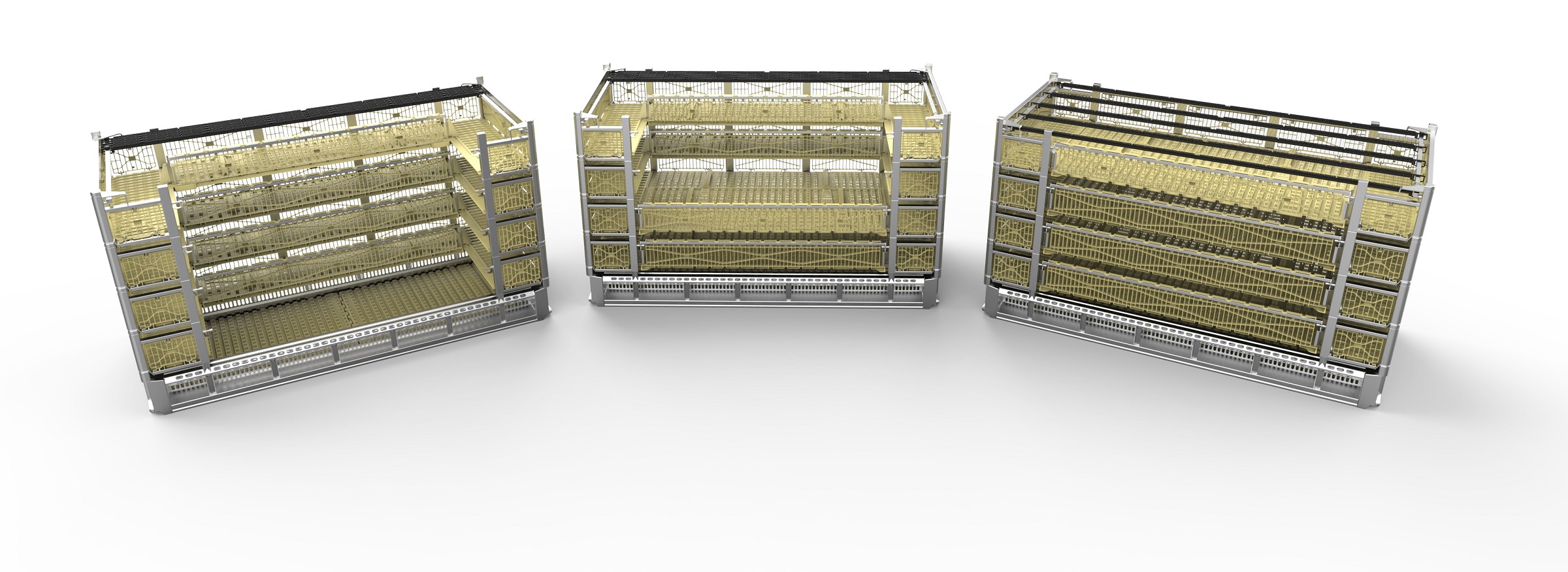 |
||||||||||||||||||||||||
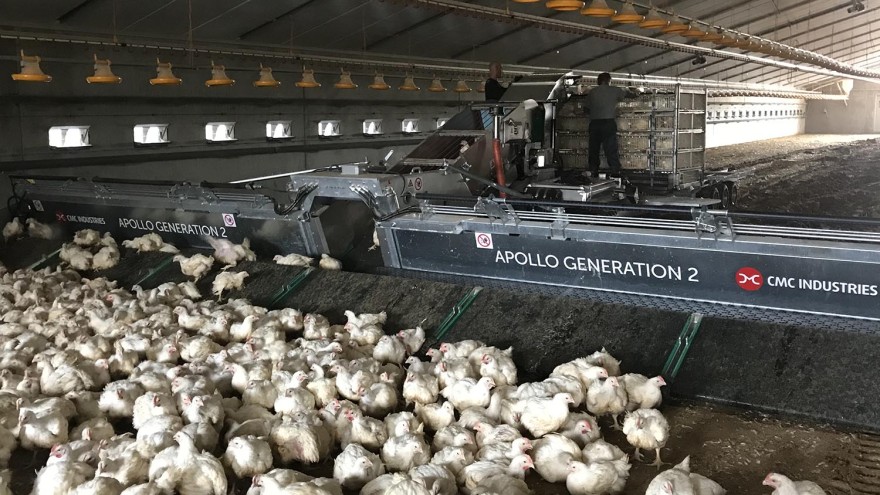
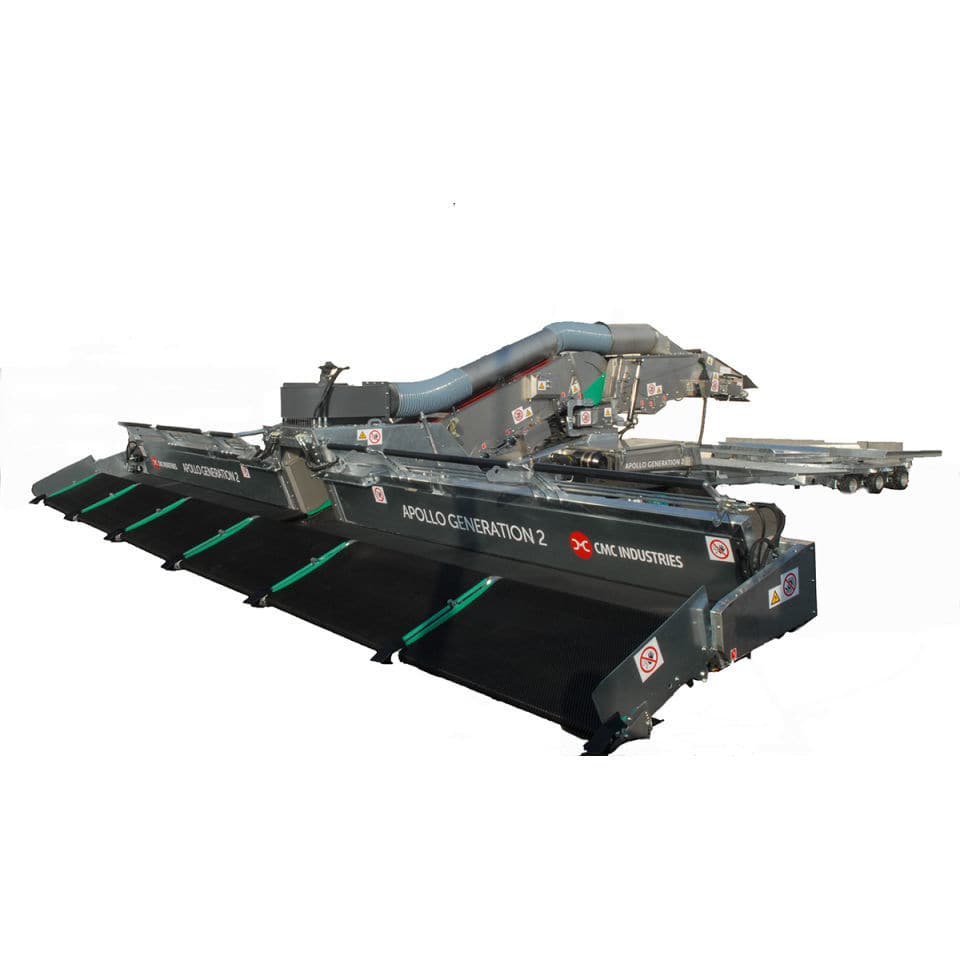
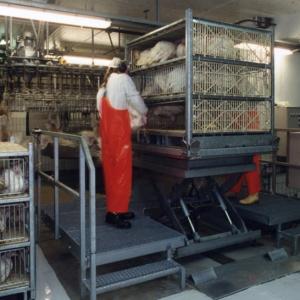
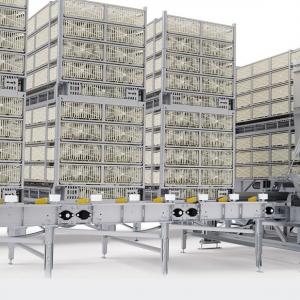
| Product Overview | The Poultry Transport Module Loading System is designed for organized transfer of broilers from the poultry house into modular live bird transport units before delivery to the processing plant. The system can combine transport modules, movable drawers or trays, loading platforms, conveyor sections and handling equipment according to the farm layout and catching method. Its modular configuration helps reduce repeated manual carrying, improves loading workflow and supports more consistent handling of live birds. It is suitable for commercial broiler farms, poultry integrations, large livestock equipment projects and steel structure poultry houses where efficient flock removal and transport logistics are required. |
||||||||||||||||||||||||
| Key Features |
|
||||||||||||||||||||||||
| Structural Components |
|
||||||||||||||||||||||||
| Working Principle | Empty poultry transport modules are positioned close to the catching or loading area. Birds are transferred into the available tray, drawer or compartment according to the selected loading procedure. In drawer-based configurations, loading can progress sequentially through different levels so that operators handle mainly empty trays during the loading process. Once the module is filled, it can be closed, secured and moved by forklift or other handling equipment to the transport vehicle. The complete module remains the primary handling unit during transport, reducing unnecessary individual crate movements between the farm and processing facility. |
||||||||||||||||||||||||
| Technical Specifications |
|
||||||||||||||||||||||||
| Applications |
|
||||||||||||||||||||||||
| Customization Options | The Poultry Transport Module Loading System can be configured according to poultry house dimensions, flock size, average bird weight, catching method, transport vehicle dimensions and processing plant requirements. Available customization may include module dimensions, number of transport levels, tray or drawer arrangement, forklift access, conveyor interface, loading platform height, ventilation arrangement and washing configuration. System layouts can be designed according to local climate and farm conditions, steel structure building dimensions and complete poultry project requirements. |
||||||||||||||||||||||||
| Installation & Maintenance | Before operation, confirm poultry house access width, door dimensions, loading area conditions, forklift clearance and transport vehicle position. The loading route should remain stable, level and free from unnecessary obstacles. Modules, trays and access panels should be inspected before each loading cycle. Moving parts and locking points must operate correctly, while damaged structural components should be repaired or replaced before reuse. After each flock movement, transport modules should be thoroughly cleaned and disinfected according to the farm or processing facility biosecurity program. Particular attention should be given to tray surfaces, frame joints, ventilation openings and areas where organic material may accumulate. |
||||||||||||||||||||||||
| Project Cases | In large-scale broiler projects, transport modules can be positioned close to the flock gathering point so birds can be loaded with fewer intermediate handling steps. Filled modules are then moved directly to the poultry transport vehicle. For new commercial poultry houses, loading doors, external service roads, forklift operating areas and truck parking positions can be coordinated with the module handling system during the steel structure building design stage. For processing plant projects, module transport can also be integrated with receiving, unloading, washing and return logistics as part of a complete live bird handling workflow. |
||||||||||||||||||||||||
| Product FAQ | Q: What is a poultry transport module loading system? A: It is a modular live bird handling solution used to load broilers into multi-level transport units for movement from the farm to the processing facility. Q: Can the system replace individual poultry crates? A: In suitable operations, modular transport units can reduce the need to handle large numbers of individual crates, depending on the farm and processing plant logistics. Q: Can module dimensions be customized? A: Yes. Module dimensions, tray arrangement and loading configuration can be designed according to project requirements and transport vehicle dimensions. Q: Can the system connect with a broiler loading conveyor? A: Yes. Conveyor-assisted loading interfaces can be incorporated according to the required harvesting workflow. Q: How are filled modules moved? A: Forklift-compatible base structures are commonly used for handling complete transport modules. Other arrangements can be supplied according to project requirements. Q: Is an automated washing system available? A: Cleaning and washing equipment can be included as part of a complete project according to the farm or processing facility's biosecurity requirements. Q: What information is needed for quotation? A: Recommended information includes poultry house dimensions, bird size, flock capacity, transport vehicle dimensions, required module configuration, loading method and processing plant interface. |
||||||||||||||||||||||||
| Product Gallery | 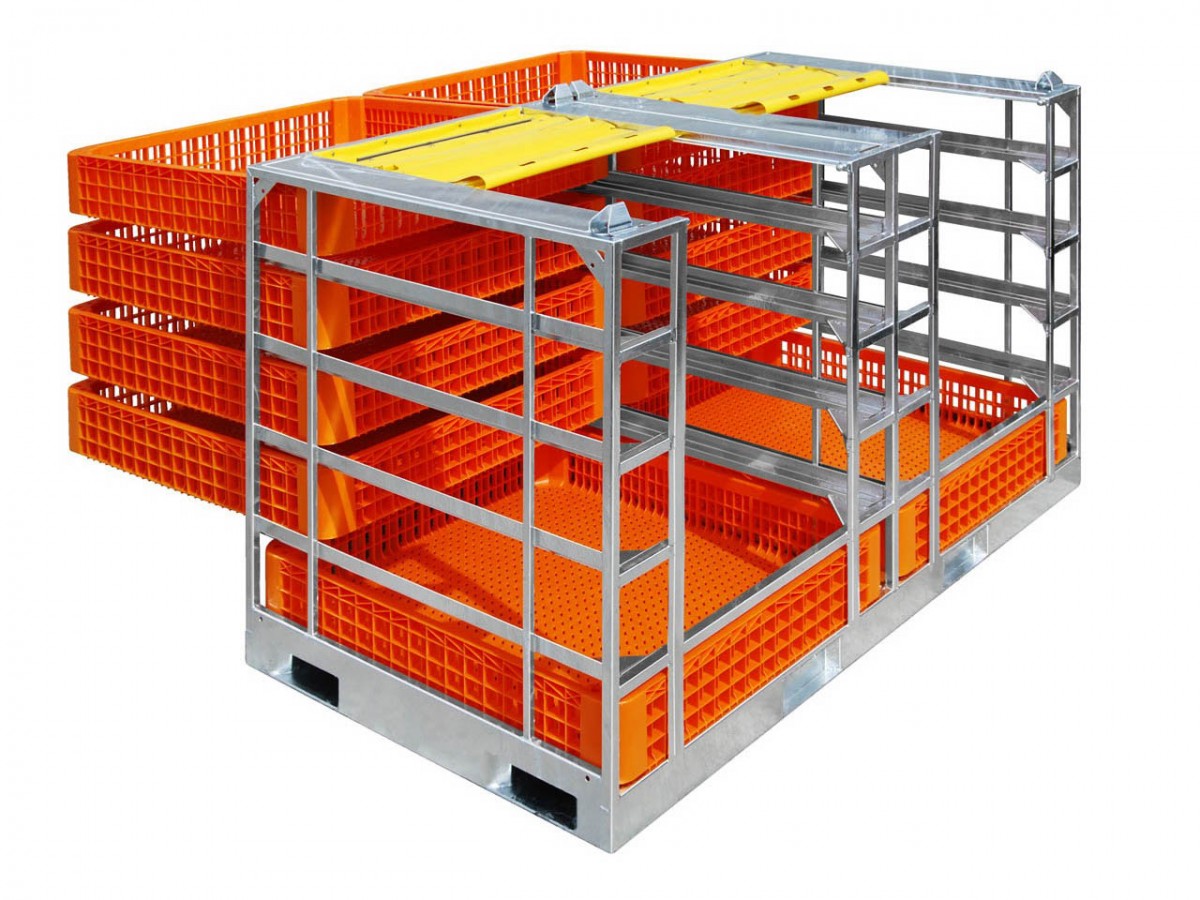 |
- Home
-
Products
- Pig Farming Equipment
- Cattle Farming Equipment
- Sheep & Goat Farming Equipment
- Poultry Farming Equipment
- Feeding & Drinking Systems
- Veterinary & Breeding Equipment
- Testing & Diagnostic Equipment
- Cleaning & Biosecurity Equipment
- Climate Control Equipment
- Livestock Weighing Equipment
- Manure & Waste Management
- Farm Transport & Handling
-
Solutions
- Pig Farm Solutions
- Dairy Farm Solutions
- Beef Cattle Farm Solutions
- Sheep & Goat Farm Solutions
- Layer Farm Solutions
- Broiler Farm Solutions
- Feeding & Drinking System Solutions
- Climate Control Solutions
- Biosecurity & Disinfection Solutions
- Manure & Waste Management
- Smart Farming Solutions
- Farm Renovation and Upgrade Solutions
- Partners
- Projects
- Resources
- News
- About Us
- Contact

Comments & Inquiries
Leave your questions or requirements below. We will reply as soon as possible.