
| Product Showcase | Content | ||||||||||||||||||||||||||||||||||||
|---|---|---|---|---|---|---|---|---|---|---|---|---|---|---|---|---|---|---|---|---|---|---|---|---|---|---|---|---|---|---|---|---|---|---|---|---|---|
| Product Name | Two-Wheel Manual Dead Pig Cart | ||||||||||||||||||||||||||||||||||||
| Product Image | 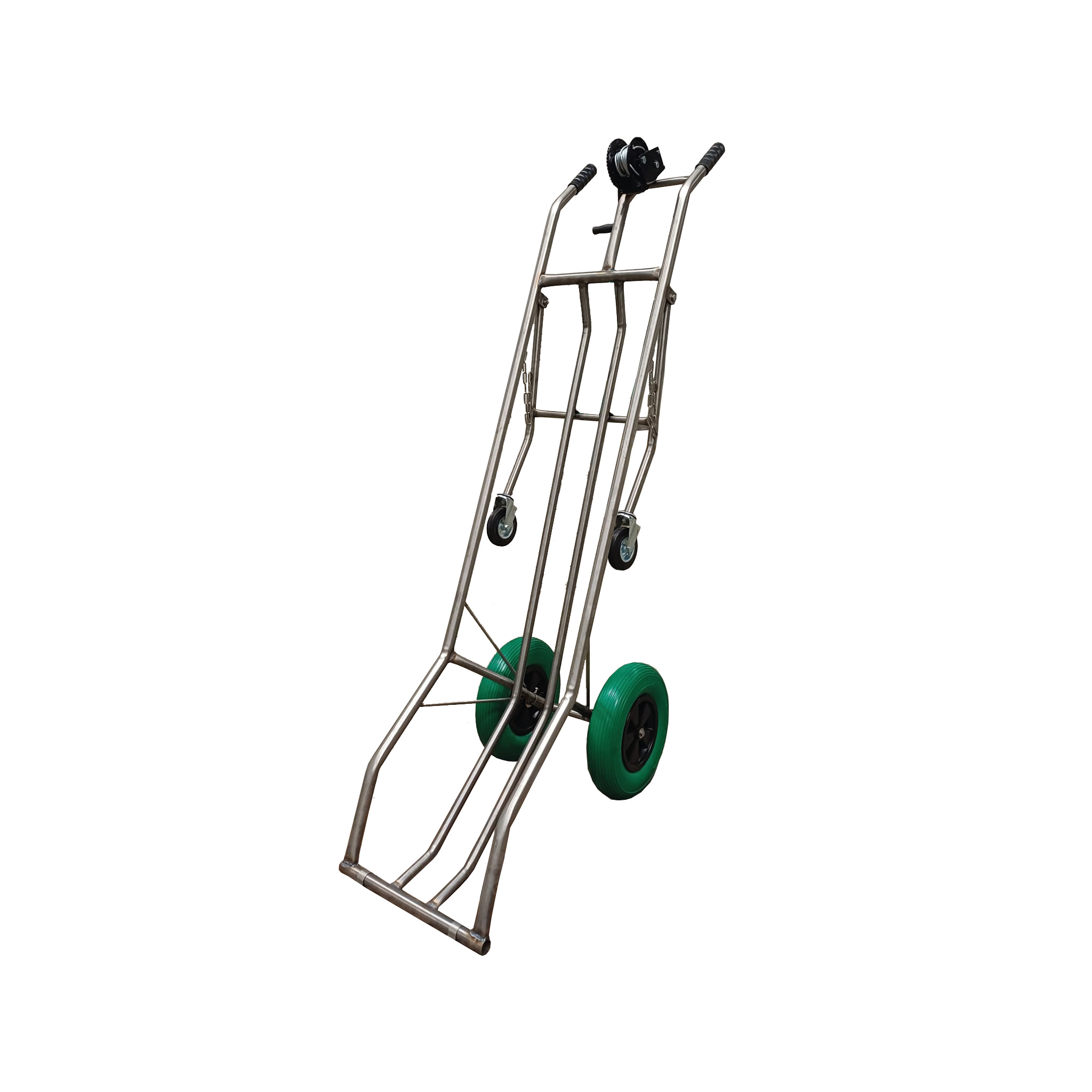 |
||||||||||||||||||||||||||||||||||||
| Product Overview |
The Two-Wheel Manual Dead Pig Cart is a professional livestock mortality handling solution developed for commercial pig farms, sow units, breeding farms and integrated swine production facilities. It is designed to assist farm personnel with loading and transporting pig carcasses from animal housing areas to designated mortality collection, temporary storage or disposal points. The cart combines a rigid tubular frame, two primary load-bearing wheels and a manually operated winch system. The open-frame carcass support structure allows the animal to be pulled progressively onto the trolley while reducing the amount of direct lifting required from the operator. Its narrow profile and balanced wheel arrangement are particularly suitable for pig-house aisles, service passages and other livestock-building areas where maneuverability and a compact turning radius are important. |
||||||||||||||||||||||||||||||||||||
| Key Features |
|
||||||||||||||||||||||||||||||||||||
| Structural Components |
|
||||||||||||||||||||||||||||||||||||
| Working Principle |
The cart is first positioned in an upright or inclined loading position close to the carcass. The winch cable is extended and securely connected using the designated carcass attachment method. The operator rotates the hand winch to pull the carcass progressively onto the support frame. As the animal approaches the cart's balance point, the trolley can be carefully lowered toward its transport position while the winch continues to control carcass movement. Once the carcass is fully supported and secured, the load is balanced over the primary wheel axle and the cart can be manually moved through the pig house to the designated mortality handling area. Configurations with auxiliary foldable casters can provide additional stability during selected loading or transport stages. |
||||||||||||||||||||||||||||||||||||
| Technical Specifications |
Reference Configuration for Heavy-Duty Model:
Reference specifications are based on a comparable heavy-duty carcass trolley configuration. Final SHEWUYOU specifications should be confirmed according to the ordered model and individual project requirements. |
||||||||||||||||||||||||||||||||||||
| Applications |
|
||||||||||||||||||||||||||||||||||||
| Customization Options |
The Two-Wheel Manual Dead Pig Cart can be configured according to carcass size, barn dimensions, floor conditions, farm biosecurity procedures and project specifications.
|
||||||||||||||||||||||||||||||||||||
| Installation & Maintenance |
Installation and Commissioning
Routine Maintenance
|
||||||||||||||||||||||||||||||||||||
| Product FAQ |
Q1: What is a two-wheel manual dead pig cart used for? It is used to load and manually transport pig carcasses from livestock housing areas to designated mortality collection, storage or disposal locations. Q2: Why use a two-wheel configuration? Two primary wheels provide a simple and maneuverable chassis with the load positioned around the axle, helping operators move the cart through relatively narrow pig-house aisles. Q3: Does the cart require electricity? No. The standard version uses a manually operated winch and does not depend on batteries or an external power supply. Q4: Can it handle adult sow carcasses? Yes. Heavy-duty configurations can be designed for large pigs and sows. The maximum expected carcass weight should be confirmed before model selection. Q5: Can the frame be supplied in stainless steel? Yes. Stainless steel configurations, including 304 stainless steel for selected models, are available according to project requirements. Q6: Are galvanized versions available? Yes. Galvanized steel can be selected where appropriate for the required farm environment and project budget. Q7: Can auxiliary wheels be added? Yes. Foldable or fixed auxiliary support casters can be incorporated according to the required loading method and transport conditions. Q8: Can the trolley width be customized for existing barns? Yes. Overall dimensions can be adjusted according to pig-house aisle width, doorway dimensions and required turning space. Q9: What tire options are available? Wheel and tire configurations may include solid, pneumatic, gel-type or other farm-duty options according to project requirements. Q10: What information should be provided when requesting a quotation? Please provide the maximum carcass weight, required quantity, pig-house aisle width, preferred frame material, wheel type, winch requirements and any OEM or project-specific specifications. |
||||||||||||||||||||||||||||||||||||
| Product Gallery |  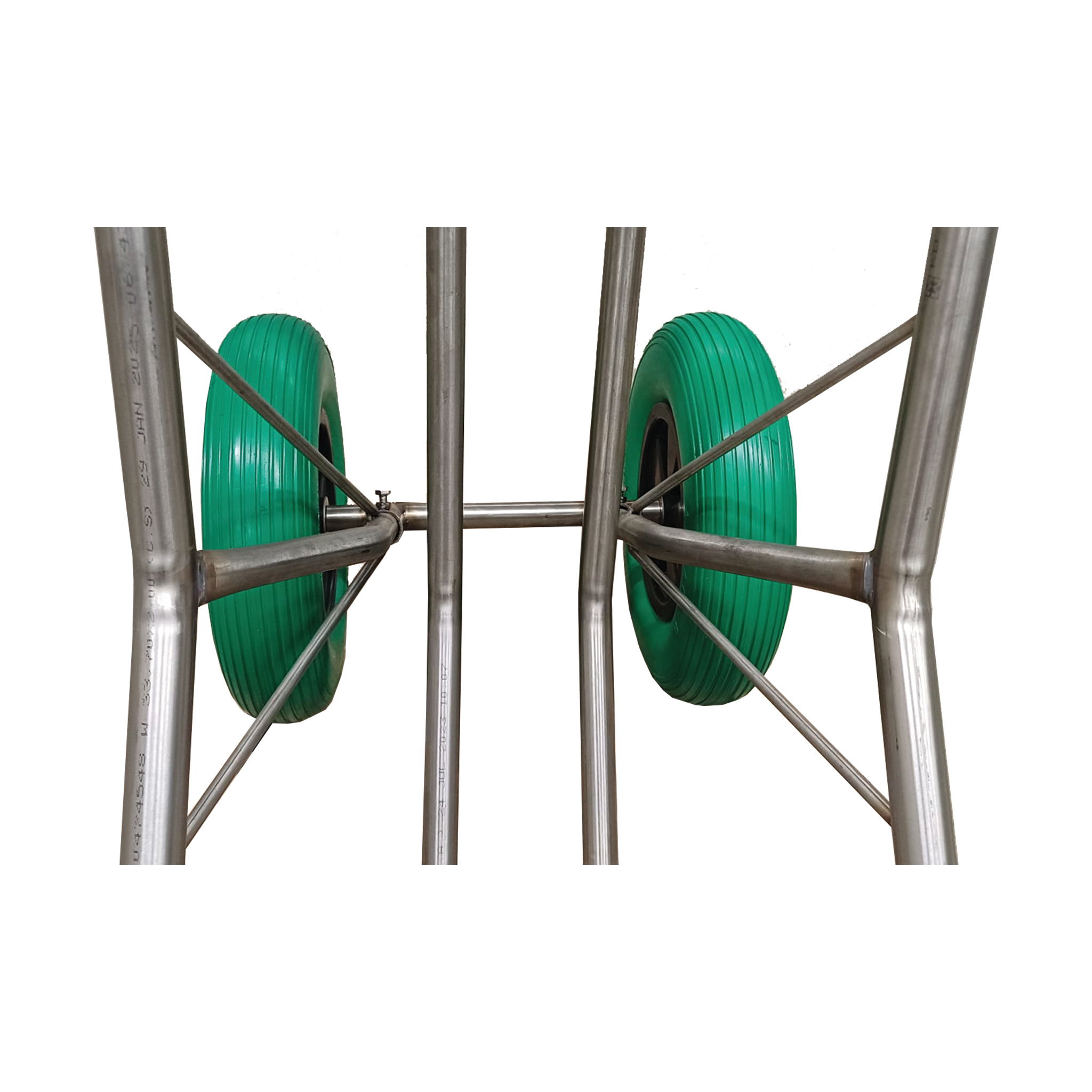 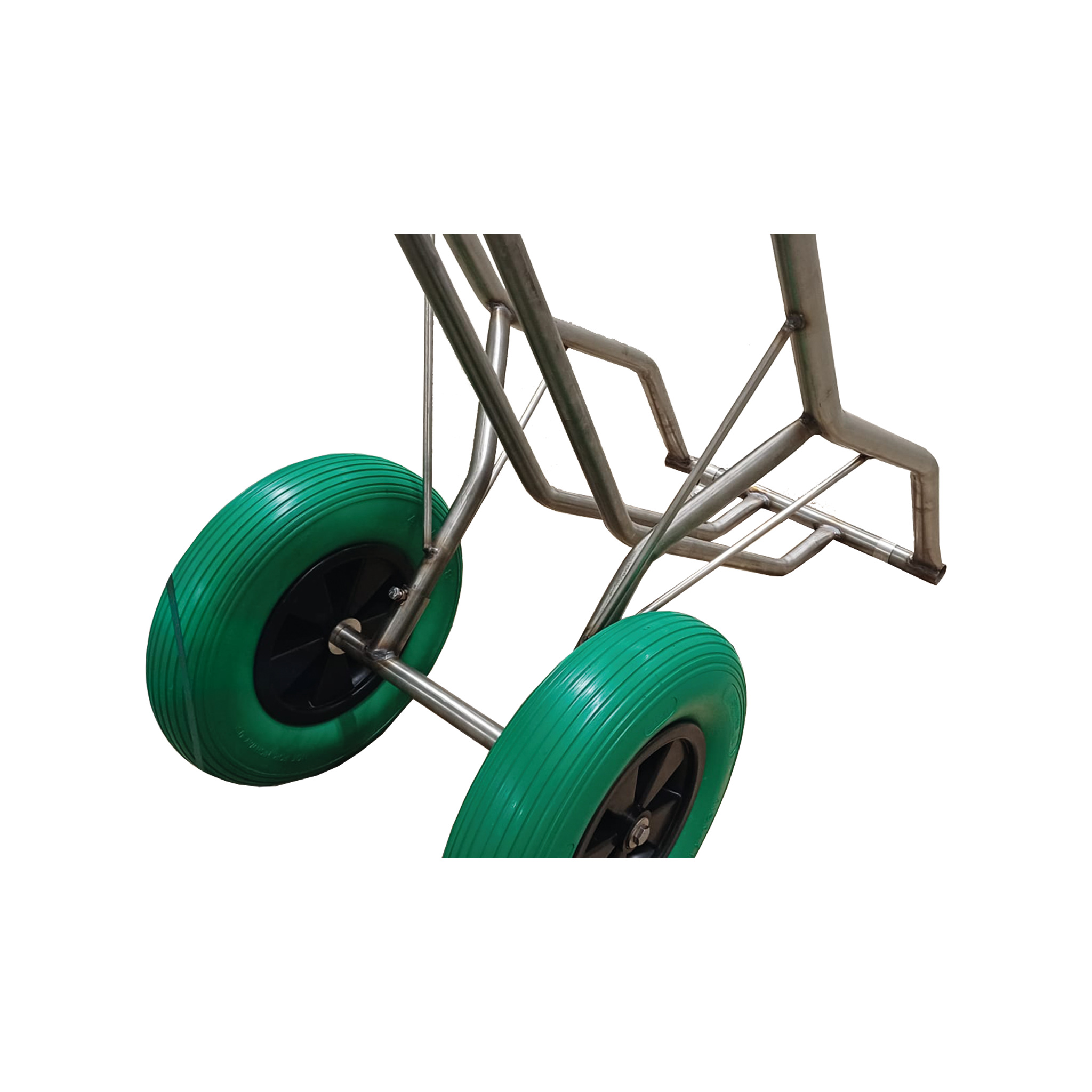 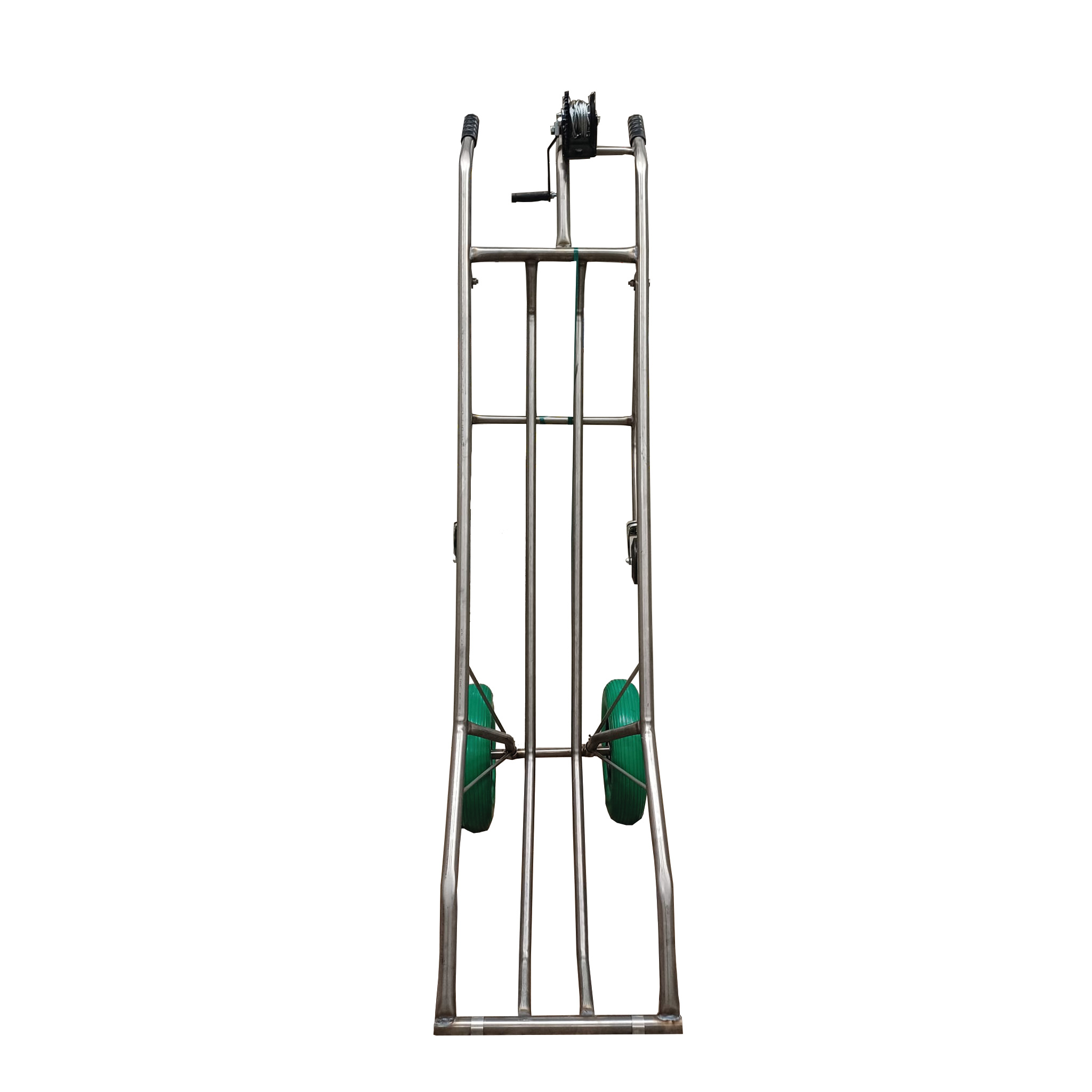 |
- Home
-
Products
- Pig Farming Equipment
- Cattle Farming Equipment
- Sheep & Goat Farming Equipment
- Poultry Farming Equipment
- Feeding & Drinking Systems
- Veterinary & Breeding Equipment
- Testing & Diagnostic Equipment
- Cleaning & Biosecurity Equipment
- Climate Control Equipment
- Livestock Weighing Equipment
- Manure & Waste Management
- Farm Transport & Handling
-
Solutions
- Pig Farm Solutions
- Dairy Farm Solutions
- Beef Cattle Farm Solutions
- Sheep & Goat Farm Solutions
- Layer Farm Solutions
- Broiler Farm Solutions
- Feeding & Drinking System Solutions
- Climate Control Solutions
- Biosecurity & Disinfection Solutions
- Manure & Waste Management
- Smart Farming Solutions
- Farm Renovation and Upgrade Solutions
- Partners
- Projects
- Resources
- News
- About Us
- Contact

Comments & Inquiries
Leave your questions or requirements below. We will reply as soon as possible.