
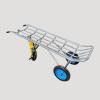
| Product Showcase | Content | ||||||||||||||||||||||||||||
|---|---|---|---|---|---|---|---|---|---|---|---|---|---|---|---|---|---|---|---|---|---|---|---|---|---|---|---|---|---|
| Product Name | Manual Dead Pig Cart | ||||||||||||||||||||||||||||
| Product Image | 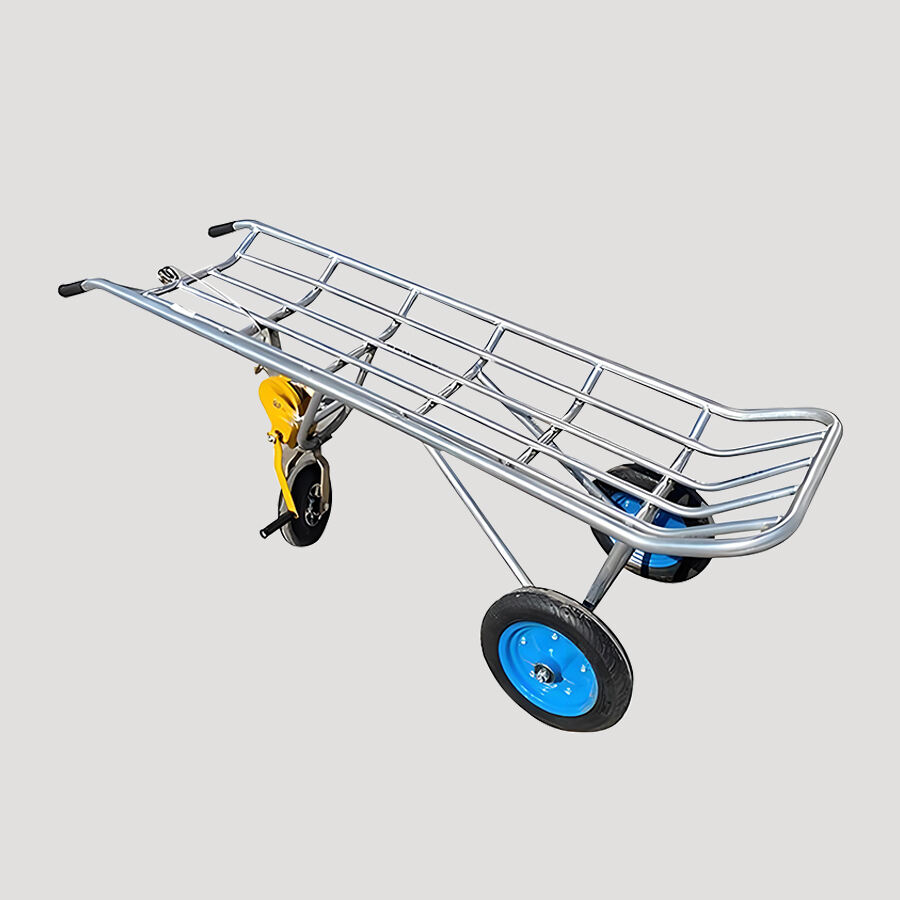 |
||||||||||||||||||||||||||||
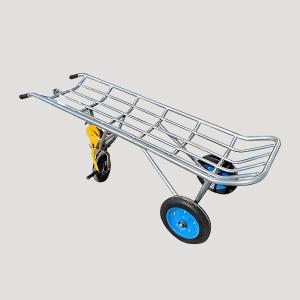
| Product Overview | The Manual Dead Pig Cart is a practical carcass handling and transport solution developed for commercial pig farms, breeding units and integrated livestock projects. It combines a rigid steel-tube chassis, open support frame, manual winch, steel wire rope, carcass hook and mobile wheel system to assist operators with loading and moving pig mortalities through barn aisles and farm service routes. The equipment is designed for situations where a compact, non-powered carcass cart is preferred. Manual winch assistance reduces the physical effort required to pull a carcass onto the frame, while corrosion-resistant structural materials support repeated use in humid and aggressive livestock-house environments. Comparable commercial products commonly use galvanized or stainless structural frames, manual winches and pneumatic tires for carcass handling. :contentReference[oaicite:0]{index=0} Frame dimensions, carrying capacity, wheel configuration and surface treatment can be adapted according to pig size, aisle width, floor conditions and project requirements. |
||||||||||||||||||||||||||||
| Key Features |
|
||||||||||||||||||||||||||||
| Structural Components |
|
||||||||||||||||||||||||||||
| Working Principle / Structural Principle | The cart is positioned close to the pig carcass with the loading end oriented toward the animal. The operator extends the steel wire rope, connects the hook according to the farm's approved carcass-handling procedure and rotates the manual winch to pull the carcass toward and onto the tubular support frame. During loading, the wheel-and-frame geometry helps transfer the carcass weight to the chassis and axle instead of relying entirely on manual lifting. Once the carcass is correctly positioned and secured, the cart can be pushed or pulled along the designated mortality transport route. Similar livestock carcass carts use manual winches and wheel-supported frames to reduce manual lifting requirements during loading and transportation. :contentReference[oaicite:2]{index=2} |
||||||||||||||||||||||||||||
| Technical Specifications |
Final specifications should be confirmed according to maximum carcass weight, pig house aisle dimensions, floor conditions and required operating method. Comparable manual carcass carts vary significantly in load rating and construction, so project-specific confirmation is recommended. :contentReference[oaicite:3]{index=3} |
||||||||||||||||||||||||||||
| Applications |
|
||||||||||||||||||||||||||||
| Customization Options | The Manual Dead Pig Cart can be adapted to different pig farm layouts, animal weights and operating practices. Available customization may include:
|
||||||||||||||||||||||||||||
| Installation & Maintenance | Installation / Initial Assembly
|
||||||||||||||||||||||||||||
| Project Cases | Manual carcass carts can be incorporated into new-build and retrofit swine farm projects as part of the mortality-management and biosecurity workflow. Typical project configurations may include:
|
||||||||||||||||||||||||||||
| Product FAQ | Q1: What is a Manual Dead Pig Cart used for? It is used to load and transport pig carcasses from production areas to designated mortality collection, storage, composting, rendering or other approved handling areas. Q2: How is the carcass loaded onto the cart? The operator normally attaches the winch rope and hook according to farm procedures and uses the hand winch to pull the carcass onto the support frame. Q3: Does the cart require electricity? No. The standard manual configuration operates without a battery, drive motor or external electrical supply. Q4: Why is a galvanized frame commonly used? Galvanized steel provides improved corrosion protection for humid livestock-house environments where equipment is frequently washed and disinfected. Q5: Can the cart be used for large sows? The required frame dimensions, structural strength and winch capacity should be selected according to the maximum expected carcass weight. Heavy-duty configurations are available upon request. Q6: Can the dimensions be customized? Yes. Overall width, length, frame geometry and wheel arrangement can be customized according to pig house aisle dimensions and project requirements. Q7: Are pneumatic tires available? Yes. Pneumatic tires are widely used on comparable carcass carts because they improve mobility over typical farm surfaces. Solid-wheel options can also be considered depending on maintenance requirements. :contentReference[oaicite:5]{index=5} Q8: What information is required for a quotation? Please provide maximum expected carcass weight, required cart dimensions, minimum aisle width, preferred frame material or surface treatment, wheel preference and estimated order quantity. Q9: Is the cart suitable for biosecurity programs? It can be integrated into a controlled mortality-handling route and cleaned and disinfected after use. Final operating procedures should follow the farm's own veterinary and biosecurity requirements. Q10: Can SHEWUYOU supply OEM versions for distributors? OEM dimensions, structural configurations, surface treatments and branding can be discussed according to distributor or project requirements. |
||||||||||||||||||||||||||||
| Product Gallery | 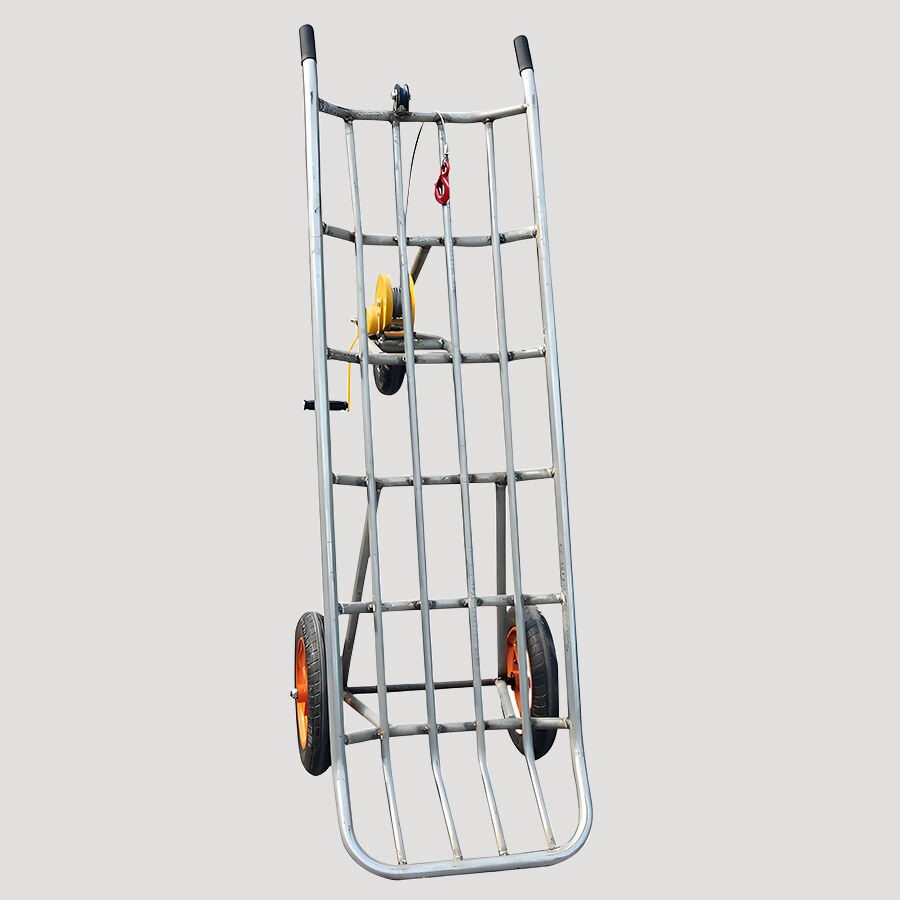 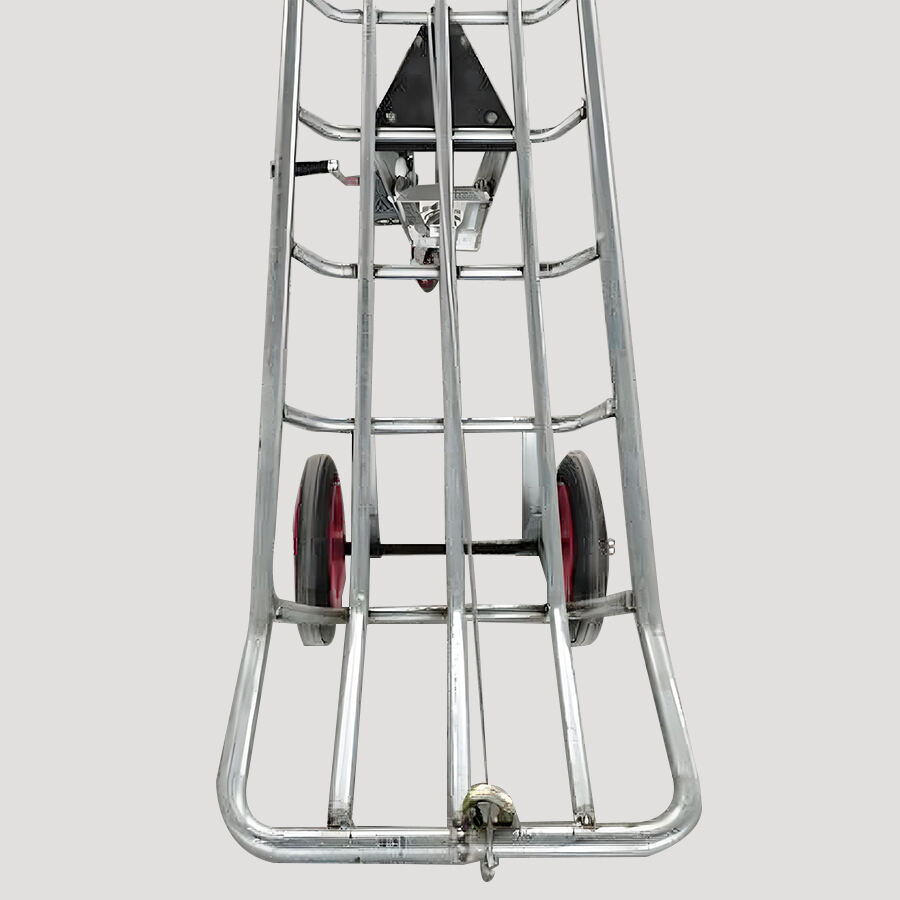 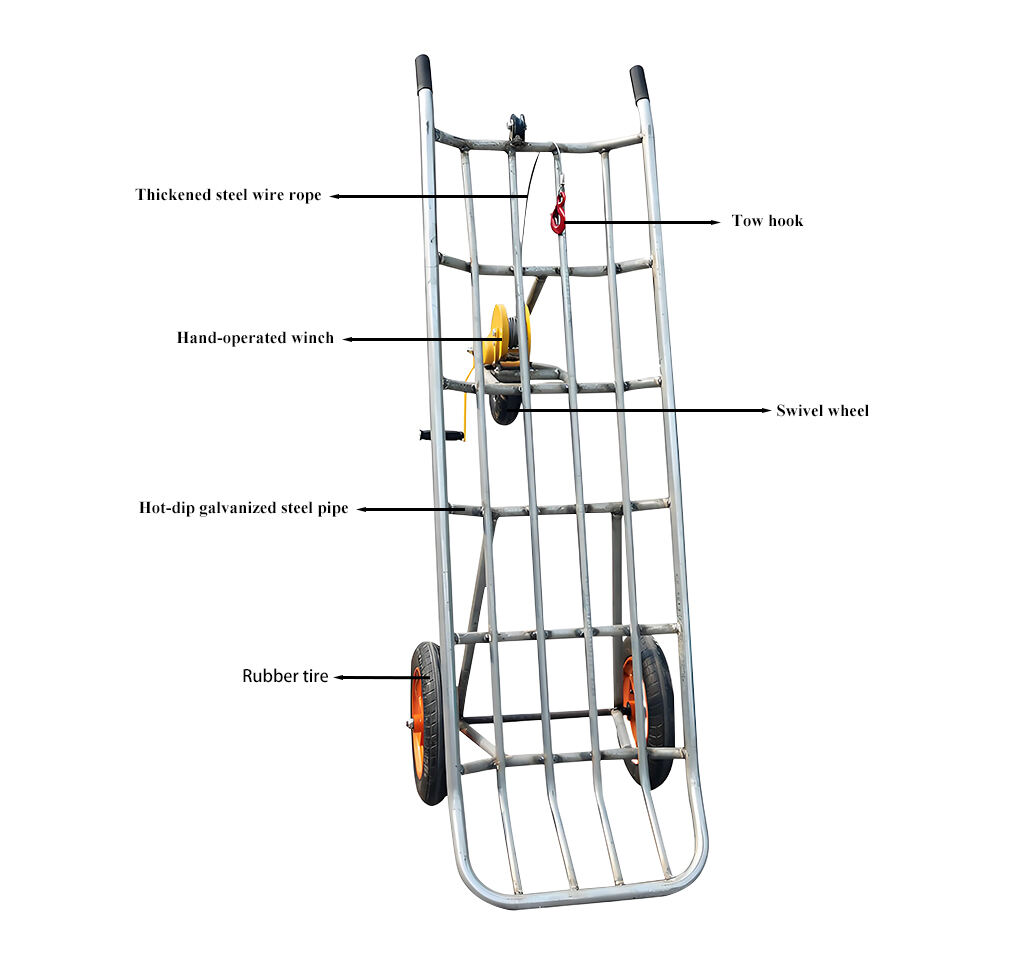 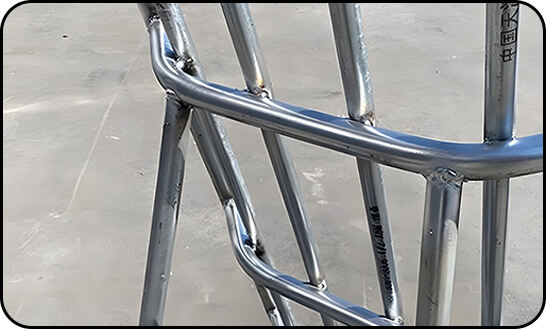 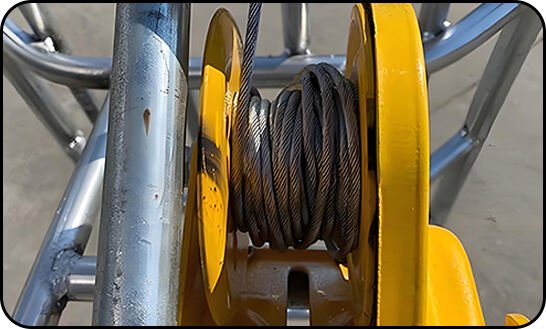 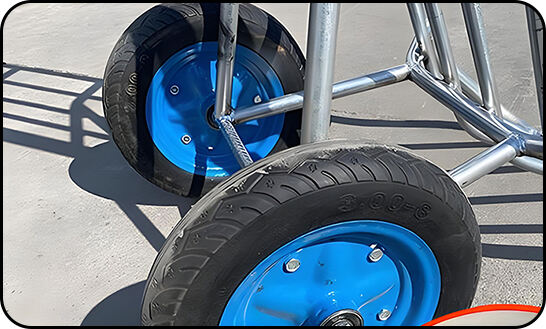 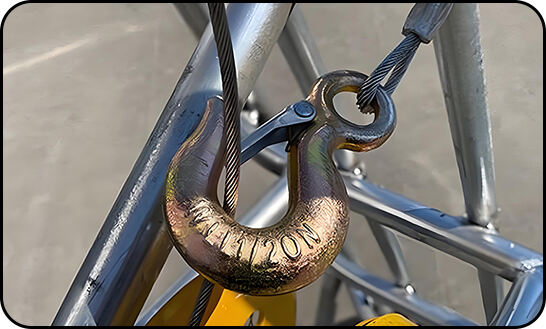 |
- Home
-
Products
- Pig Farming Equipment
- Cattle Farming Equipment
- Sheep & Goat Farming Equipment
- Poultry Farming Equipment
- Feeding & Drinking Systems
- Veterinary & Breeding Equipment
- Testing & Diagnostic Equipment
- Cleaning & Biosecurity Equipment
- Climate Control Equipment
- Livestock Weighing Equipment
- Manure & Waste Management
- Farm Transport & Handling
-
Solutions
- Pig Farm Solutions
- Dairy Farm Solutions
- Beef Cattle Farm Solutions
- Sheep & Goat Farm Solutions
- Layer Farm Solutions
- Broiler Farm Solutions
- Feeding & Drinking System Solutions
- Climate Control Solutions
- Biosecurity & Disinfection Solutions
- Manure & Waste Management
- Smart Farming Solutions
- Farm Renovation and Upgrade Solutions
- Partners
- Projects
- Resources
- News
- About Us
- Contact
Comments & Inquiries
Leave your questions or requirements below. We will reply as soon as possible.