
| Product Showcase | Content | ||||||||||||||||||||||||||||
|---|---|---|---|---|---|---|---|---|---|---|---|---|---|---|---|---|---|---|---|---|---|---|---|---|---|---|---|---|---|
| Product Name | Manual Dead Pig Cart with Two-Speed Hand Winch | ||||||||||||||||||||||||||||
| Product Image | 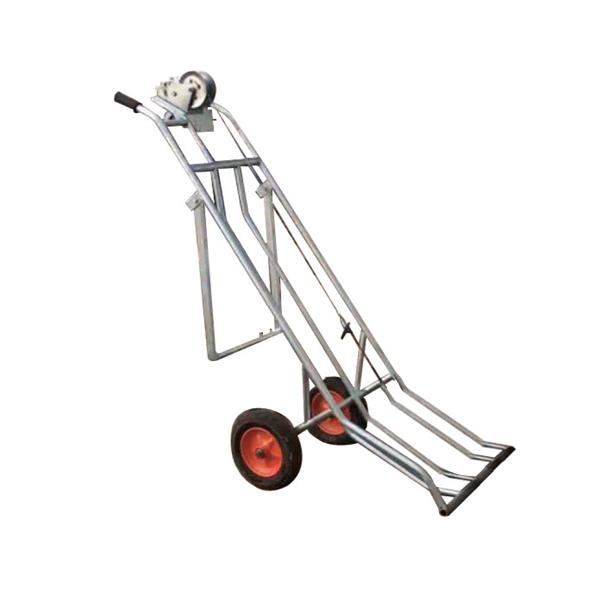 |
||||||||||||||||||||||||||||
| Product Overview |
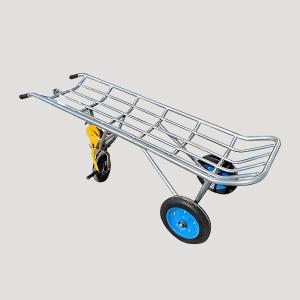
The Manual Dead Pig Cart with Two-Speed Hand Winch is a heavy-duty carcass handling solution developed for commercial pig farms, sow farms and integrated livestock projects. It assists operators with loading, supporting and transporting pig mortalities from production areas to designated collection, storage or disposal points. The cart combines a rigid steel load-bearing frame, reclining carcass support structure, manual cable-and-pulley lifting system and maneuverable wheel configuration. The two-speed hand winch provides different mechanical ratios for faster cable movement when resistance is low and greater pulling leverage when handling heavier carcasses. Manual operation eliminates dependence on batteries or electrical power, making the unit practical for routine use throughout pig houses, service alleys and mortality handling areas. |
||||||||||||||||||||||||||||
| Key Features |
|
||||||||||||||||||||||||||||
| Structural Components |
|
||||||||||||||||||||||||||||
| Working Principle |
The cart is positioned close to the pig carcass and stabilized according to the operating configuration. The winch cable is extended and connected to the carcass using the designated attachment point and farm handling procedure. The operator turns the hand winch to draw the carcass progressively onto the inclined or reclining support frame. The two-speed mechanism allows the operator to select a suitable gear ratio according to pulling resistance. A faster ratio can be used for cable recovery or lighter pulling stages, while the higher-mechanical-advantage ratio assists with heavier loading conditions. After the carcass is positioned and secured on the support structure, the cart is returned to its transport position and manually moved through the livestock building to the designated mortality collection or disposal area. |
||||||||||||||||||||||||||||
| Technical Specifications |
Final dimensions, rated load, winch specification, wheel arrangement and material configuration should be confirmed according to the individual farm project. |
||||||||||||||||||||||||||||
| Applications |
|
||||||||||||||||||||||||||||
| Customization Options |
The carcass cart can be configured according to pig size, mortality handling procedures, barn layout, aisle width, floor condition and local operating environment.
|
||||||||||||||||||||||||||||
| Installation & Maintenance |
Initial Assembly and Inspection
Routine Maintenance
|
||||||||||||||||||||||||||||
| Product FAQ |
Q1: What is this manual dead pig cart designed for? It is designed to assist with loading and transporting pig and sow carcasses from livestock buildings to designated mortality collection, storage or disposal areas. Q2: What is the advantage of a two-speed hand winch? Two-speed operation allows different mechanical ratios to be selected according to the loading stage. One ratio can provide faster cable movement, while the other provides increased mechanical advantage when greater pulling force is required. Q3: Does the carcass cart require electricity? No. The standard operating principle is fully manual and does not require a battery or external electrical supply. Q4: Can the cart be used for sow carcasses? Yes. Configurations can be selected for commercial pigs, breeding stock and sows. The required maximum carcass weight should be provided before the final model is confirmed. Q5: Can the load capacity be customized? Yes. Frame strength, winch specification and chassis configuration can be selected according to the required carcass weight and project conditions. Q6: Are different tire configurations available? Yes. Pneumatic, solid and other wheel configurations can be supplied according to barn flooring, maintenance requirements and operating conditions. Q7: Can the cart be designed for narrow pig-house aisles? Yes. Overall width, chassis layout and wheel arrangement can be selected according to the available aisle width and turning space. Q8: What surface treatments are available? Galvanized, coated and other corrosion-resistant finishes are available upon request according to farm conditions and project specifications. Q9: How should the cart be cleaned? Organic material should be removed promptly, followed by washing and disinfection according to the farm's established mortality handling and biosecurity procedures. Q10: What information is recommended when requesting a quotation? Please provide the maximum expected carcass weight, pig-house aisle width, preferred cart dimensions, wheel type, surface treatment, required quantity and any OEM or project-specific requirements. |
||||||||||||||||||||||||||||
| Product Gallery |   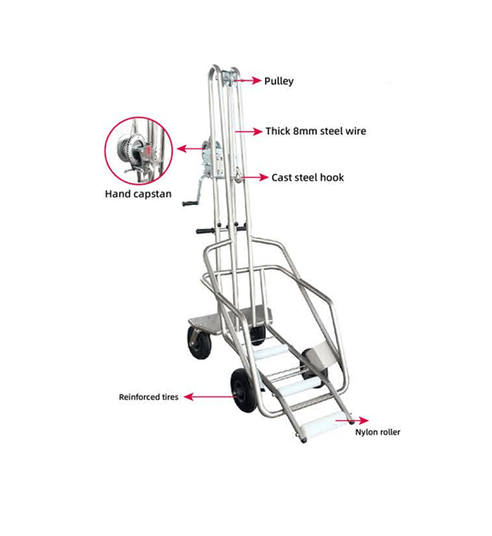 |
- Home
-
Products
- Pig Farming Equipment
- Cattle Farming Equipment
- Sheep & Goat Farming Equipment
- Poultry Farming Equipment
- Feeding & Drinking Systems
- Veterinary & Breeding Equipment
- Testing & Diagnostic Equipment
- Cleaning & Biosecurity Equipment
- Climate Control Equipment
- Livestock Weighing Equipment
- Manure & Waste Management
- Farm Transport & Handling
-
Solutions
- Pig Farm Solutions
- Dairy Farm Solutions
- Beef Cattle Farm Solutions
- Sheep & Goat Farm Solutions
- Layer Farm Solutions
- Broiler Farm Solutions
- Feeding & Drinking System Solutions
- Climate Control Solutions
- Biosecurity & Disinfection Solutions
- Manure & Waste Management
- Smart Farming Solutions
- Farm Renovation and Upgrade Solutions
- Partners
- Projects
- Resources
- News
- About Us
- Contact
Comments & Inquiries
Leave your questions or requirements below. We will reply as soon as possible.