

| Product Showcase | Content |
|---|---|
| Product Name | Sloped Screen and Roller Press Manure Separation System |
| Product Image |
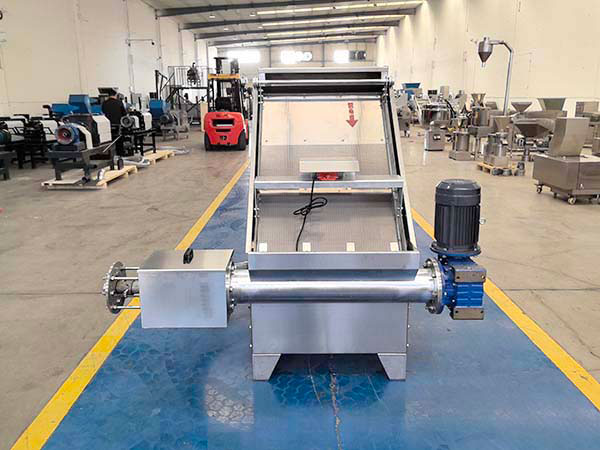
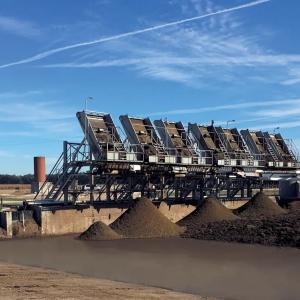
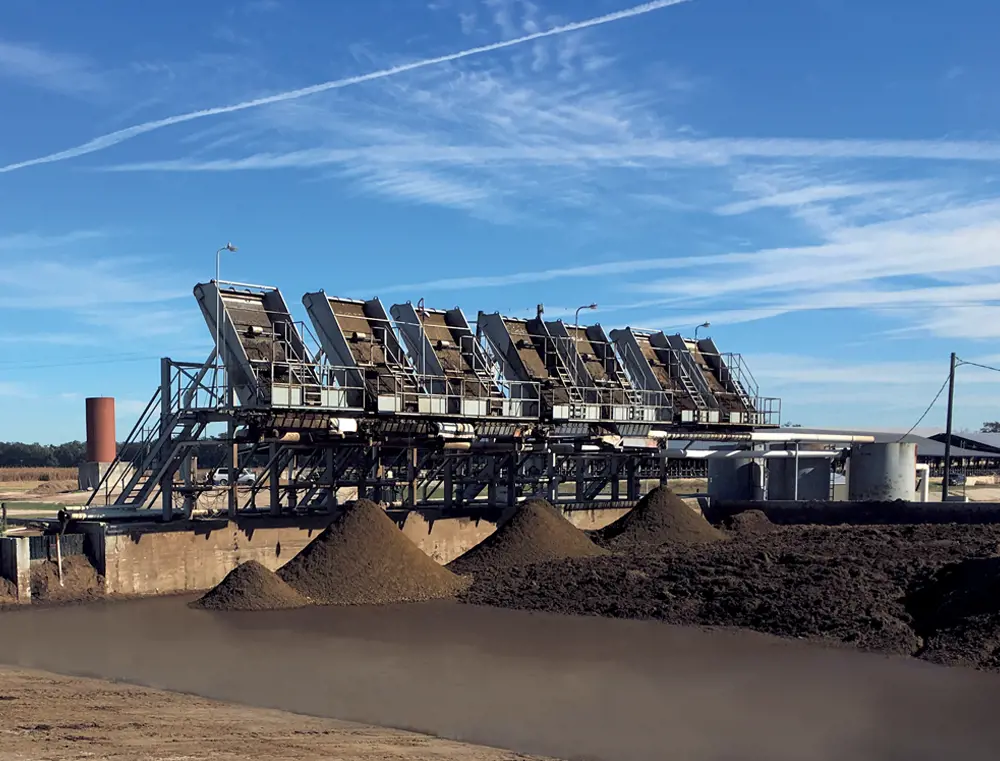 Reference image of a comparable separation arrangement; final SHEWUYOU equipment appearance depends on the project configuration. |
| Product Overview |
The Sloped Screen and Roller Press Manure Separation System combines primary slurry screening with secondary fiber dewatering. The inclined screen removes coarse solids from pumpable manure and directs the liquid fraction to collection. The captured fibers then enter a roller press, where additional liquid is squeezed out to produce solids that are easier to stack, transport, or send to further treatment. The system can be configured for commercial dairy farms and other livestock manure projects after feed assessment. |
| Key Features |
|
| Structural Components |
A typical system includes a slurry feed connection, distribution section, inclined screen, liquid collection chamber, transfer chute, roller press, press drive, roller cleaning components, liquid outlets, and solids discharge. Feed pumps, wash equipment, controls, support platforms, and solids conveyors can be included according to project requirements. The layout should keep both separation stages accessible for inspection and maintenance. |
| Working Principle |
Manure slurry is delivered to the upper section of the sloped screen. Liquid and fine material pass through the screen into the collection chamber, while retained fibers move toward the lower discharge. The thickened fibers feed into the roller press and pass through the nip between its rollers. Pressure releases additional liquid through the drainage surface. The pressed solids leave the system for collection or further processing. |
| Technical Specifications |
Process stages: Primary sloped-screen separation and secondary roller pressing. Feed material: Pumpable livestock manure slurry, subject to application review. Screen opening and screening area: Customizable. Roller press size and pressure arrangement: According to project requirements. Processing capacity and final solids condition: Available upon request after feed assessment. Power supply, footprint, and construction materials: Specified for the selected equipment package and installation site. |
| Applications |
|
| Customization Options |
The screening area, screen opening, roller press capacity, feed pump, washing arrangement, liquid outlets, and solids discharge height can be matched to the site. Controls may be configured to coordinate slurry feeding with the two separation stages. Support platforms, pipe routes, and maintenance clearance can be incorporated into a new or existing manure treatment building with a steel structure. Weather protection is designed according to local climate and farm conditions. |
| Installation & Maintenance |
Position the screen and press on an engineered support with a reliable transfer path for screened fibers. Connect the feed, separated-liquid outlets, solids collection equipment, power, and controls according to the approved layout. During commissioning, verify even screen loading and steady transfer into the press. Routine maintenance includes cleaning the screen, checking roller surfaces and scrapers, inspecting bearings and drives, and clearing the liquid drainage paths. |
| Product FAQ |
Why use a roller press after the sloped screen? Can the pressed solids be used as livestock bedding? What information is needed to size the system? |
| Product Gallery |
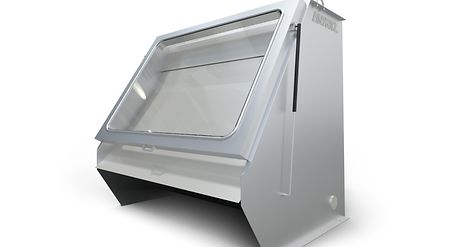
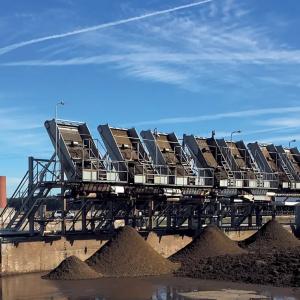
Reference images of comparable screening and roller-press equipment: 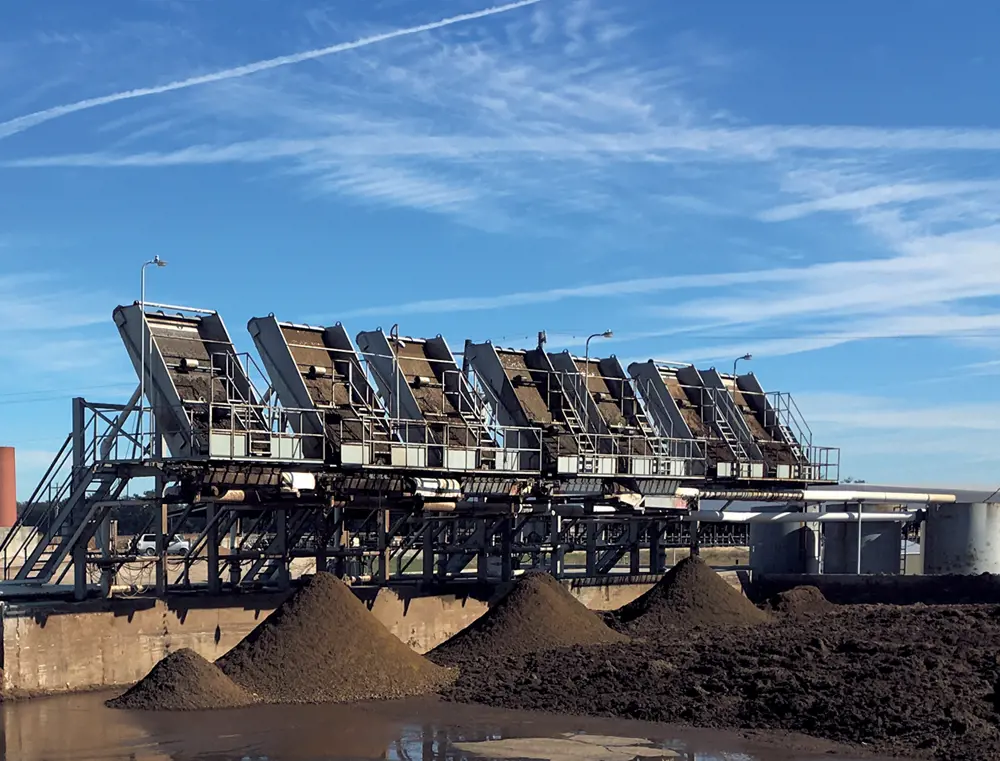 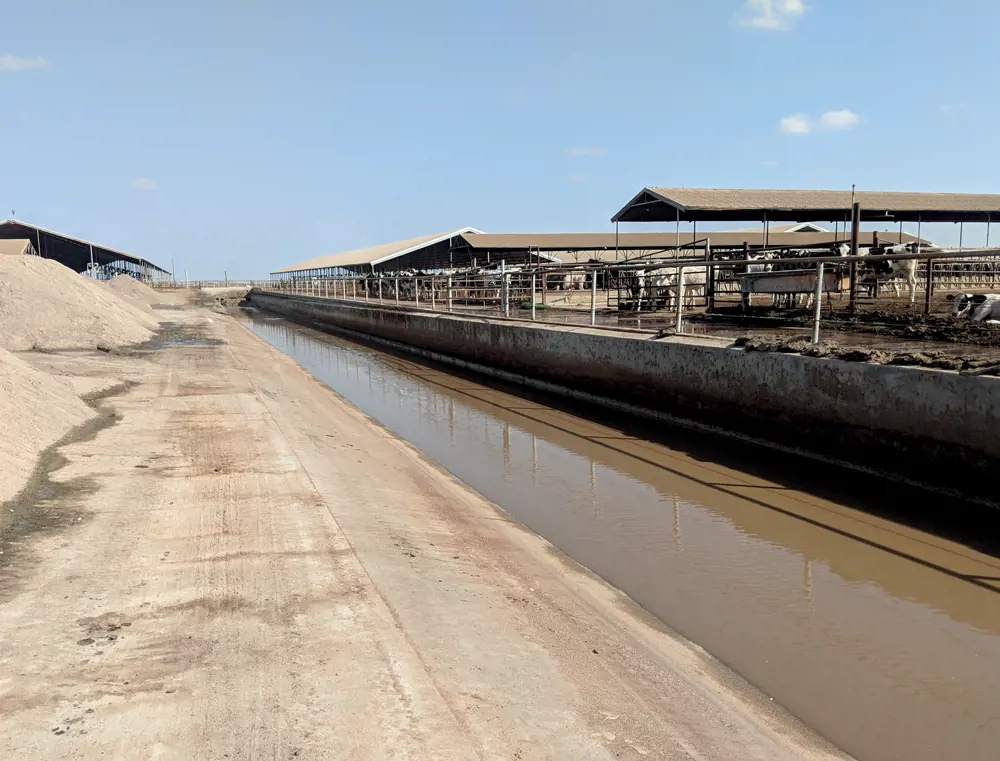  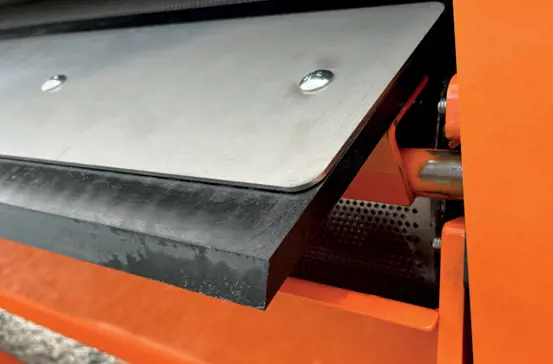 |
- Home
-
Products
- Pig Farming Equipment
- Cattle Farming Equipment
- Sheep & Goat Farming Equipment
- Poultry Farming Equipment
- Feeding & Drinking Systems
- Veterinary & Breeding Equipment
- Testing & Diagnostic Equipment
- Cleaning & Biosecurity Equipment
- Climate Control Equipment
- Livestock Weighing Equipment
- Manure & Waste Management
- Farm Transport & Handling
-
Solutions
- Pig Farm Solutions
- Dairy Farm Solutions
- Beef Cattle Farm Solutions
- Sheep & Goat Farm Solutions
- Layer Farm Solutions
- Broiler Farm Solutions
- Feeding & Drinking System Solutions
- Climate Control Solutions
- Biosecurity & Disinfection Solutions
- Manure & Waste Management
- Smart Farming Solutions
- Farm Renovation and Upgrade Solutions
- Partners
- Projects
- Resources
- News
- About Us
- Contact


Comments & Inquiries
Leave your questions or requirements below. We will reply as soon as possible.