


| Product Showcase
Animal carcass treatment equipment for livestock farms, veterinary facilities and agricultural projects. Process: Enclosed batch alkaline hydrolysis Configuration: According to project requirements |
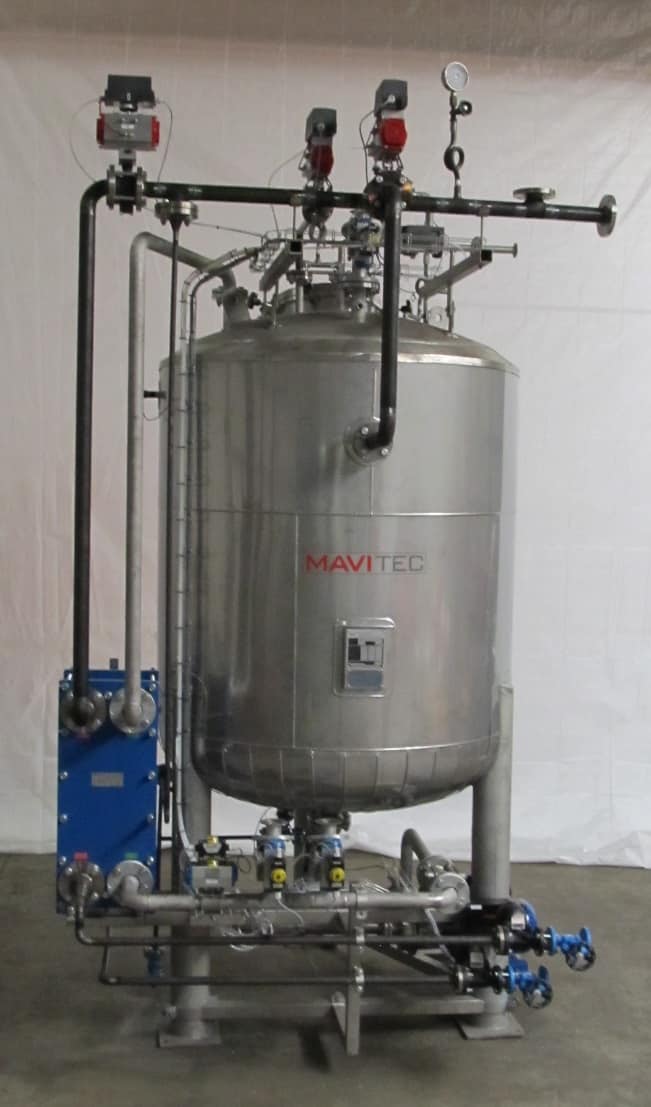
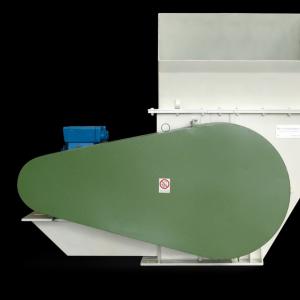
Animal Carcass Alkaline Hydrolysis SterilizerProduct Image
Product OverviewThe Animal Carcass Alkaline Hydrolysis Sterilizer is an enclosed treatment system for animal carcasses and biological tissues. It combines water, sodium hydroxide or potassium hydroxide, heat and a controlled treatment cycle to break down soft tissue. For commercial pig farms, it can form part of a dedicated livestock mortality handling area within a broader pig farm construction project. The equipment layout can be planned around carcass collection routes, available utilities, liquid waste treatment and the space provided by an existing facility or steel structure building. Final process conditions and discharge arrangements must be established for the specific project. Key Features
Structural ComponentsA project configuration may include a treatment vessel, sealed loading closure, heating system, alkali and water connections, temperature and pressure instrumentation, control panel, liquid outlet and residual solids handling arrangement. Access platforms, lifting provisions and downstream tanks can be specified according to the site layout. Working PrincipleCarcasses or animal tissues are loaded into the chamber with the required water and alkaline reagent. During the controlled heating cycle, alkaline hydrolysis breaks down soft tissue into a liquid hydrolysate while mineral bone residue may remain. The batch is cooled and handled under the approved site procedure before the vessel is opened. Hydrolysate requires an appropriate collection and treatment route; discharge must follow applicable local requirements. Technical Specifications
Applications
Customization OptionsCapacity, loading method, vessel orientation, controls, material selection and auxiliary equipment can be reviewed against the animal type, expected mortality volume and operating schedule. Building layout and utility connections can be designed according to local climate and farm conditions. Installation & MaintenancePlan a stable equipment foundation, safe carcass transfer route, water and power supply, chemical storage, drainage, ventilation and service clearance. Installation in a steel structure building should account for equipment weight, lifting access and the separation of clean and contaminated traffic. Routine maintenance includes inspection of seals, valves, instruments, heating components and surfaces exposed to alkaline solution. Product FAQCan the system be configured for a commercial pig farm? Can the treated liquid be discharged directly? Are the operating temperature and cycle time fixed? Product Gallery
|
- Home
-
Products
- Pig Farming Equipment
- Cattle Farming Equipment
- Sheep & Goat Farming Equipment
- Poultry Farming Equipment
- Feeding & Drinking Systems
- Veterinary & Breeding Equipment
- Testing & Diagnostic Equipment
- Cleaning & Biosecurity Equipment
- Climate Control Equipment
- Livestock Weighing Equipment
- Manure & Waste Management
- Farm Transport & Handling
-
Solutions
- Pig Farm Solutions
- Dairy Farm Solutions
- Beef Cattle Farm Solutions
- Sheep & Goat Farm Solutions
- Layer Farm Solutions
- Broiler Farm Solutions
- Feeding & Drinking System Solutions
- Climate Control Solutions
- Biosecurity & Disinfection Solutions
- Manure & Waste Management
- Smart Farming Solutions
- Farm Renovation and Upgrade Solutions
- Partners
- Projects
- Resources
- News
- About Us
- Contact



Comments & Inquiries
Leave your questions or requirements below. We will reply as soon as possible.