
| Product Name | Cattle Estrus and Ovulation Detector | ||||||||||||||||||||||||||||||||
| Product Image |  |
||||||||||||||||||||||||||||||||
| Product Overview |
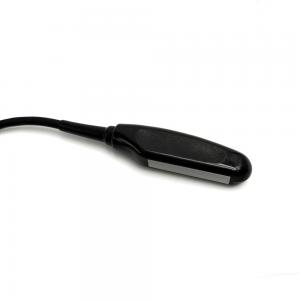
The Cattle Estrus and Ovulation Detector is a portable electronic veterinary instrument designed to assist dairy farms, beef cattle breeding operations and artificial insemination technicians in monitoring the bovine estrous cycle. Based on the BTS-NP reference model, the instrument measures changes in the electrical resistance of vaginal mucus during the reproductive cycle. Measurement results are displayed on an integrated LCD screen, providing useful supplementary information for estrus detection and breeding-time assessment. The detector features a compact handheld control unit, an elongated veterinary measurement probe and a digital reading interface. Its portable construction allows convenient operation in cattle breeding facilities, veterinary examination areas and commercial livestock farms without permanent installation. By incorporating repeated electronic measurements into routine reproductive management, farm operators can monitor physiological changes and make more informed decisions about natural mating and artificial insemination scheduling. The instrument is suitable for inclusion in cattle breeding equipment procurement packages for farm owners, livestock groups, veterinary equipment distributors and agricultural project contractors. |
||||||||||||||||||||||||||||||||
| Key Features |
|
||||||||||||||||||||||||||||||||
| Structural Components |
The electronic cattle estrus detector incorporates several functional components within a portable handheld structure.
The actual probe dimensions, electrode configuration, component materials and accessories depend on the selected model and manufacturer specifications. |
||||||||||||||||||||||||||||||||
| Working Principle |
1. Detection of Electrical Resistance During the bovine estrous cycle, hormonal and physiological changes influence the composition and electrical characteristics of reproductive tract mucus. The detector uses sensing electrodes to measure electrical resistance in vaginal mucus. 2. Electronic Signal Processing The measurement signal is transferred to the electronic processing unit and converted into a numerical reading displayed on the LCD screen. 3. Monitoring Reproductive Changes Repeated measurements under consistent examination conditions allow the operator to compare resistance values over time. These changes provide supplementary information about the progression of the reproductive cycle. 4. Supporting Breeding Management Measurement trends can assist decisions about artificial insemination or natural mating when evaluated together with behavioral estrus signs, breeding history and veterinary recommendations. 5. Measurement Interpretation Results may be affected by reproductive tract inflammation, abnormal mucus, improper probe positioning and inconsistent examination procedures. The manufacturer's operating instructions should be followed when interpreting measured values. Important: The detector is an auxiliary reproductive management instrument. A single reading cannot independently confirm ovulation, conception or pregnancy. |
||||||||||||||||||||||||||||||||
| Technical Specifications |
Reference specifications are based on publicly available BTS-NP product information. Final technical parameters, battery configuration, packaging and accessories should be confirmed against the selected model before ordering. |
||||||||||||||||||||||||||||||||
| Applications |
The detector can be used in steel-structure cattle barns, dedicated breeding stalls and veterinary examination areas with appropriate animal restraint and hygiene facilities. |
||||||||||||||||||||||||||||||||
| Customization Options |
SHEWUYOU supports international livestock equipment procurement and can discuss product selection and supply arrangements according to customer requirements.
For overseas orders, customers may provide their target market, required quantity, application requirements and preferred package configuration to support product selection and quotation. |
||||||||||||||||||||||||||||||||
| Installation & Maintenance |
1. Initial Preparation Inspect the instrument, LCD display and measurement probe before use. Prepare the appropriate battery power supply according to the selected model's operating instructions. 2. Examination Area Conduct examinations in a safe cattle handling facility. Suitable restraint systems, such as a cattle crush, breeding stall or veterinary examination chute, help maintain animal welfare and operator safety. 3. Probe Cleaning Clean and disinfect the measurement probe before use. Follow the manufacturer's approved hygiene procedure and use suitable veterinary cleaning products. 4. Measurement Procedure Trained personnel should position the probe according to the manufacturer's veterinary operating instructions. Avoid excessive force and do not use the instrument when reproductive tract injury or another contraindication is suspected. 5. Measurement Records Record animal identification, examination dates and displayed measurement values. Compare readings over time to support reproductive cycle monitoring. 6. Routine Maintenance
|
||||||||||||||||||||||||||||||||
| Project Cases |
Cattle Breeding and Veterinary Training The reference manufacturer has documented applications involving cattle ovulation detection equipment and visual artificial insemination instruments in livestock veterinary training programs. Commercial Dairy and Beef Cattle Farms Portable reproductive detection instruments can support farm breeding management procedures, particularly when used alongside behavioral heat observation, artificial insemination records and veterinary examinations. Livestock Facility Development For dairy and beef cattle farm construction projects, the detector can be included in breeding equipment procurement packages together with cattle handling systems, veterinary tools and artificial insemination equipment. International Agricultural Procurement SHEWUYOU can discuss suitable cattle breeding equipment configurations with farm owners, engineering contractors, distributors and agricultural project procurement teams. These examples describe reference manufacturer applications and typical industry use cases. They do not constitute independently verified SHEWUYOU completed projects. |
||||||||||||||||||||||||||||||||
| Product FAQ |
Q1: What is a cattle estrus detector used for? A: It provides supplementary electronic measurements to assist estrus monitoring and breeding-time assessment in cattle. Q2: How does the BTS-NP cattle estrus detector work? A: The instrument measures vaginal mucus electrical resistance through sensing electrodes and displays the result on an LCD screen. Q3: How long does one measurement take? A: The published BTS-NP reference specifications indicate a measurement time within approximately three seconds. Q4: Can the detector help identify silent heat? A: It can provide additional information when visible estrus symptoms are weak. Results should be evaluated with other reproductive indicators. Q5: Can the detector determine the exact time of ovulation? A: It supports reproductive cycle assessment but does not independently guarantee exact ovulation timing. Veterinary evaluation and other breeding records remain important. Q6: Can this instrument confirm pregnancy? A: No. It should not replace established pregnancy diagnosis methods such as veterinary ultrasonography. Q7: Does the instrument require fixed installation? A: No. The handheld detector is portable and does not require permanent mounting or electrical wiring. Q8: Is this detector suitable for commercial dairy farms? A: Yes. It can be included in herd reproductive management programs when operated by trained personnel. Q9: Does the probe require disinfection? A: Yes. The probe must be cleaned and disinfected between animals according to the manufacturer's instructions. Q10: What is the published reference measurement range? A: The BTS-NP reference model lists a measurement scale of 10–1990. Interpretation should follow the applicable operating manual. Q11: Can SHEWUYOU supply this equipment in bulk? A: Bulk procurement inquiries can be discussed according to the required model, quantity, accessory configuration and manufacturer availability. Q12: What information is required for a quotation? A: Please provide the required quantity, destination country, preferred specifications and any additional packaging or documentation requirements. |
||||||||||||||||||||||||||||||||
| Product Gallery |
Cattle Estrus Detector - Product Appearance 
|
- Home
-
Products
- Pig Farming Equipment
- Cattle Farming Equipment
- Sheep & Goat Farming Equipment
- Poultry Farming Equipment
- Feeding & Drinking Systems
- Veterinary & Breeding Equipment
- Testing & Diagnostic Equipment
- Cleaning & Biosecurity Equipment
- Climate Control Equipment
- Livestock Weighing Equipment
- Manure & Waste Management
- Farm Transport & Handling
-
Solutions
- Pig Farm Solutions
- Dairy Farm Solutions
- Beef Cattle Farm Solutions
- Sheep & Goat Farm Solutions
- Layer Farm Solutions
- Broiler Farm Solutions
- Feeding & Drinking System Solutions
- Climate Control Solutions
- Biosecurity & Disinfection Solutions
- Manure & Waste Management
- Smart Farming Solutions
- Farm Renovation and Upgrade Solutions
- Partners
- Projects
- Resources
- News
- About Us
- Contact




Comments & Inquiries
Leave your questions or requirements below. We will reply as soon as possible.