
| Product Showcase | Content |
|---|---|
| Product Name | Self-Loading Electric Feed Cart |
| Product Image | 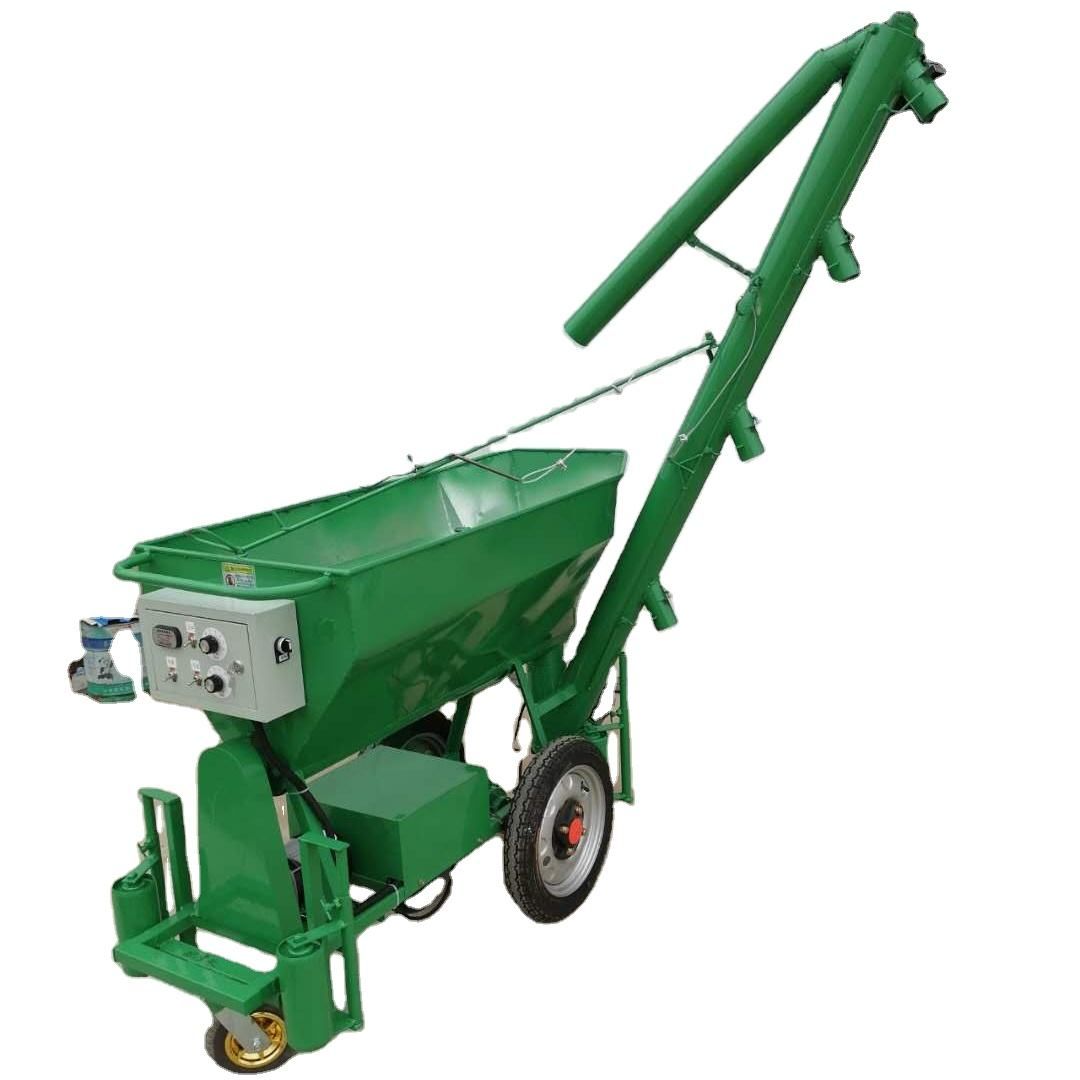 |
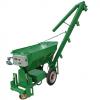
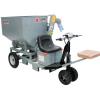
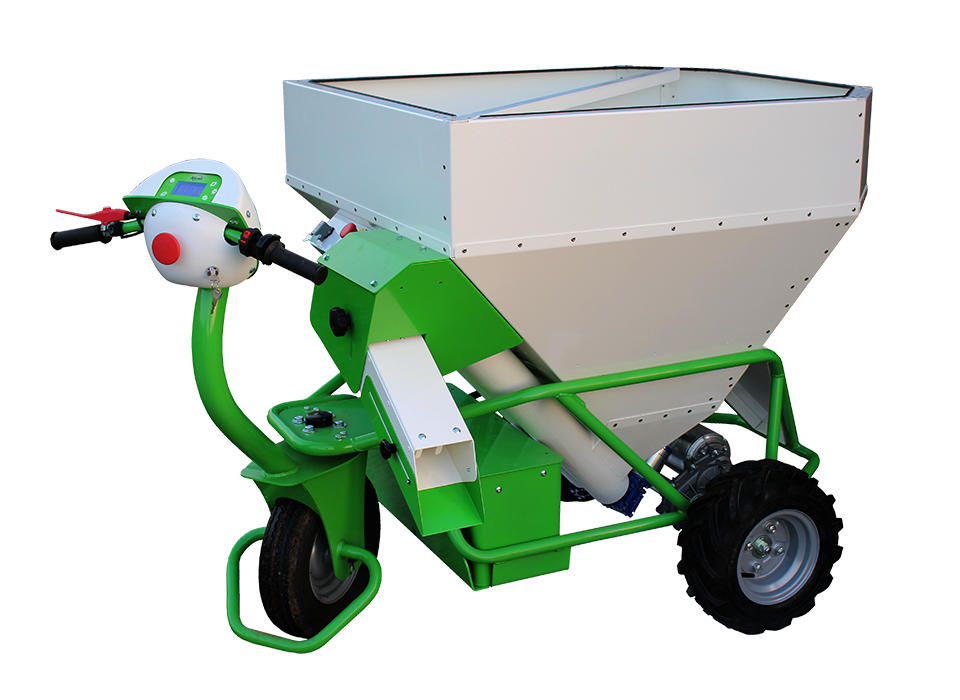
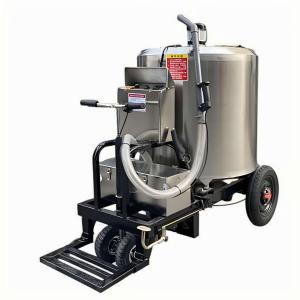
| Product Overview | The Self-Loading Electric Feed Cart is a mobile livestock feeding solution designed to reduce manual lifting at the feed-loading point. A powered loading conveyor transfers compatible dry feed from a low-level intake into the cart hopper. The loaded cart then travels to pig-house feeding points, where a configured discharge system delivers feed to troughs or feeder hoppers. Its dimensions and conveying layout can be matched to commercial pig farms, new steel structure buildings, and farm renovation projects. |
| Key Features |
|
| Structural Components | A project-specific assembly may include a low-level receiving hopper, powered loading auger or elevator, main feed hopper, wheeled chassis, electric travel drive, rechargeable battery, operator controls, and a separate discharge conveyor and outlet. Guards and feed-contact materials are selected according to the final configuration. |
| Working Principle | The operator positions the loading intake at a suitable feed supply point. When activated, the loading conveyor lifts feed into the main hopper. After loading, the electric cart carries the feed along the designated route. At each feeding point, the operator activates the discharge system to transfer feed into a trough or feeder. Loading and discharge remain separately controlled according to the selected design. |
| Technical Specifications |
|
| Applications | Suitable for feed-room loading and mobile distribution in commercial sow, nursery, and grow-finish pig facilities. It is useful where operators must refill a cart frequently, feed several rooms from a central supply point, or upgrade a manual feeding route without installing a fixed feed line throughout the building. |
| Customization Options | The loading intake, conveyor length and angle, hopper capacity, cart width, wheel arrangement, discharge outlet, battery configuration, and material finish can be reviewed against the pig farm layout. Final selection should account for feed characteristics, aisle clearance, floor condition, local electrical supply, climate, and daily feeding distance. |
| Installation & Maintenance | Before commissioning, check the feed supply point, intake access, overhead clearance, door and aisle dimensions, turning space, and charging location. Assemble and secure any separately supplied conveyor sections according to the confirmed model instructions. Test loading and discharge with a small quantity of the intended feed. Routinely remove residual material and inspect auger flights, bearings, guards, wheels, electrical connections, and battery condition. |
| Product FAQ |
What does self-loading mean for this cart? Can the cart collect loose feed directly from the floor? What information is needed for a quotation? |
| Product Gallery |
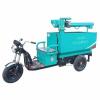
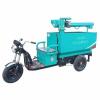
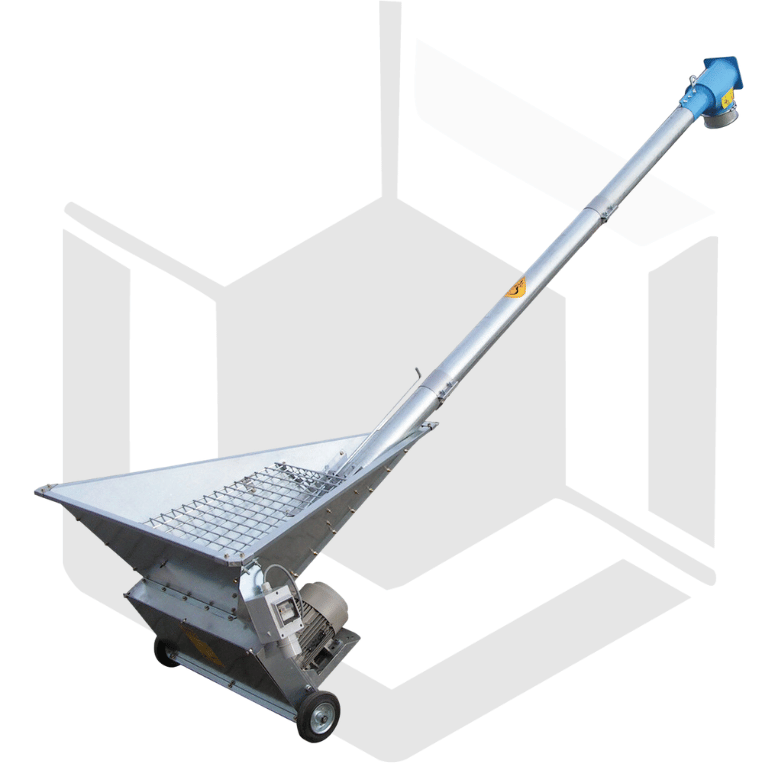
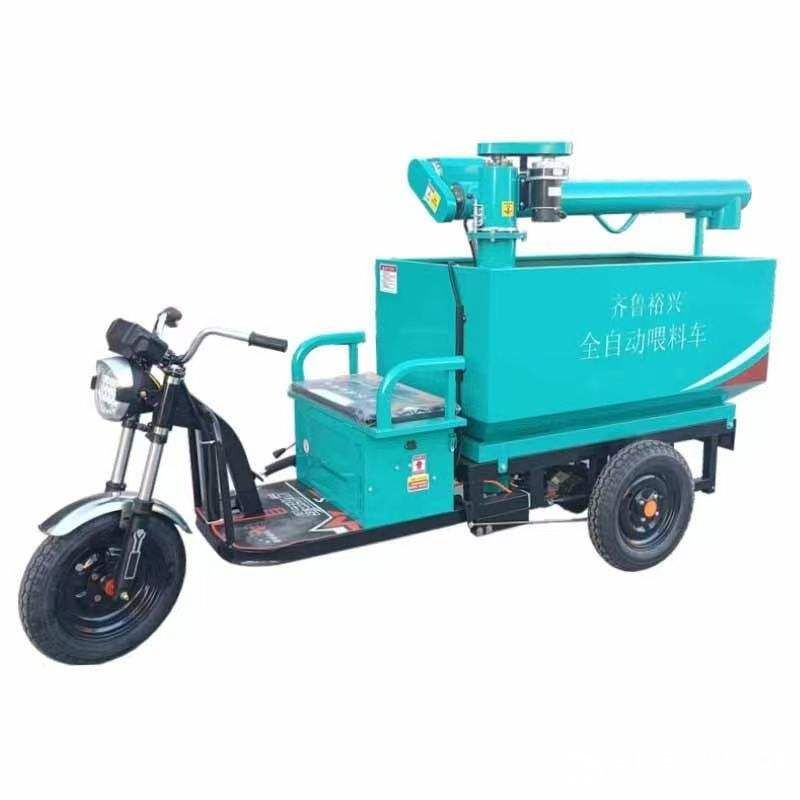
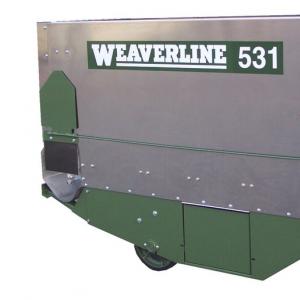
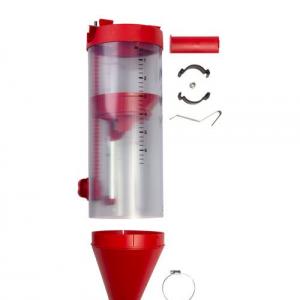
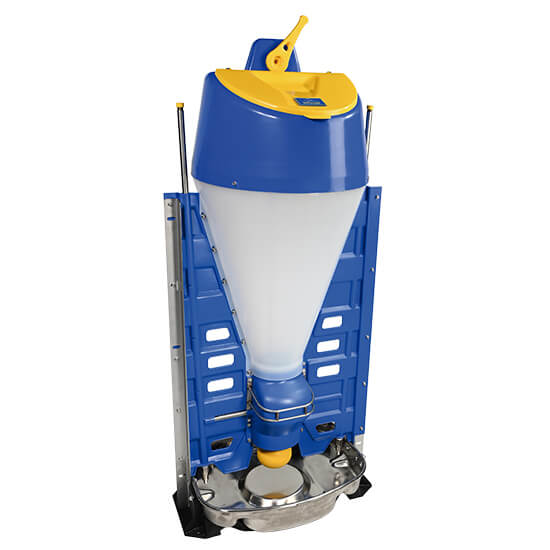
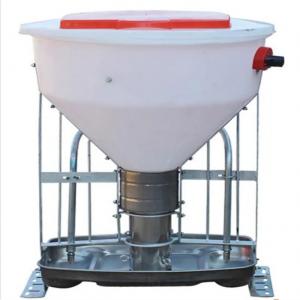
Gallery images illustrate feed-cart and conveyor configurations. The integrated loading and discharge arrangement is confirmed with the final model. |
- Home
-
Products
- Pig Farming Equipment
- Cattle Farming Equipment
- Sheep & Goat Farming Equipment
- Poultry Farming Equipment
- Feeding & Drinking Systems
- Veterinary & Breeding Equipment
- Testing & Diagnostic Equipment
- Cleaning & Biosecurity Equipment
- Climate Control Equipment
- Livestock Weighing Equipment
- Manure & Waste Management
- Farm Transport & Handling
-
Solutions
- Pig Farm Solutions
- Dairy Farm Solutions
- Beef Cattle Farm Solutions
- Sheep & Goat Farm Solutions
- Layer Farm Solutions
- Broiler Farm Solutions
- Feeding & Drinking System Solutions
- Climate Control Solutions
- Biosecurity & Disinfection Solutions
- Manure & Waste Management
- Smart Farming Solutions
- Farm Renovation and Upgrade Solutions
- Partners
- Projects
- Resources
- News
- About Us
- Contact
Comments & Inquiries
Leave your questions or requirements below. We will reply as soon as possible.