
| Product Showcase | Content | ||||||||||||||||||
| Product Name | Cattle Tail Holder Restraint | ||||||||||||||||||
| Product Image | 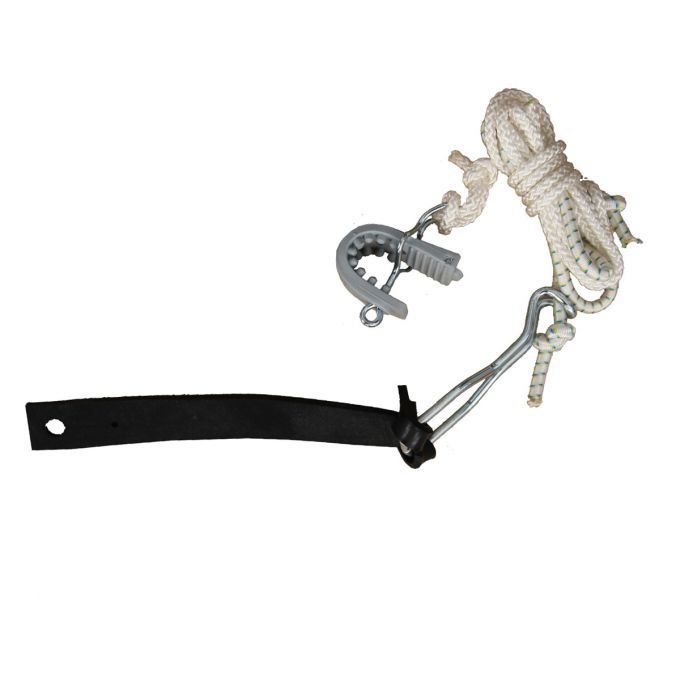 |
||||||||||||||||||
| Product Overview |
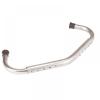
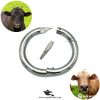
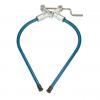
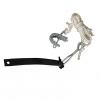
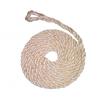
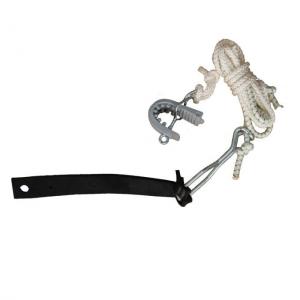
The Cattle Tail Holder Restraint is a practical livestock accessory designed to keep a cow's tail controlled and elevated in tethered-stall and dairy farm environments. It helps reduce tail interference during milking and keeps the working area cleaner. The assembly typically combines rubber tail-holding components, a flexible cord or rope, metal connecting hardware and a quick-release fastening point for convenient daily operation. |
||||||||||||||||||
| Key Features |
|
||||||||||||||||||
| Structural Components |
|
||||||||||||||||||
| Working Principle / Structural Principle |
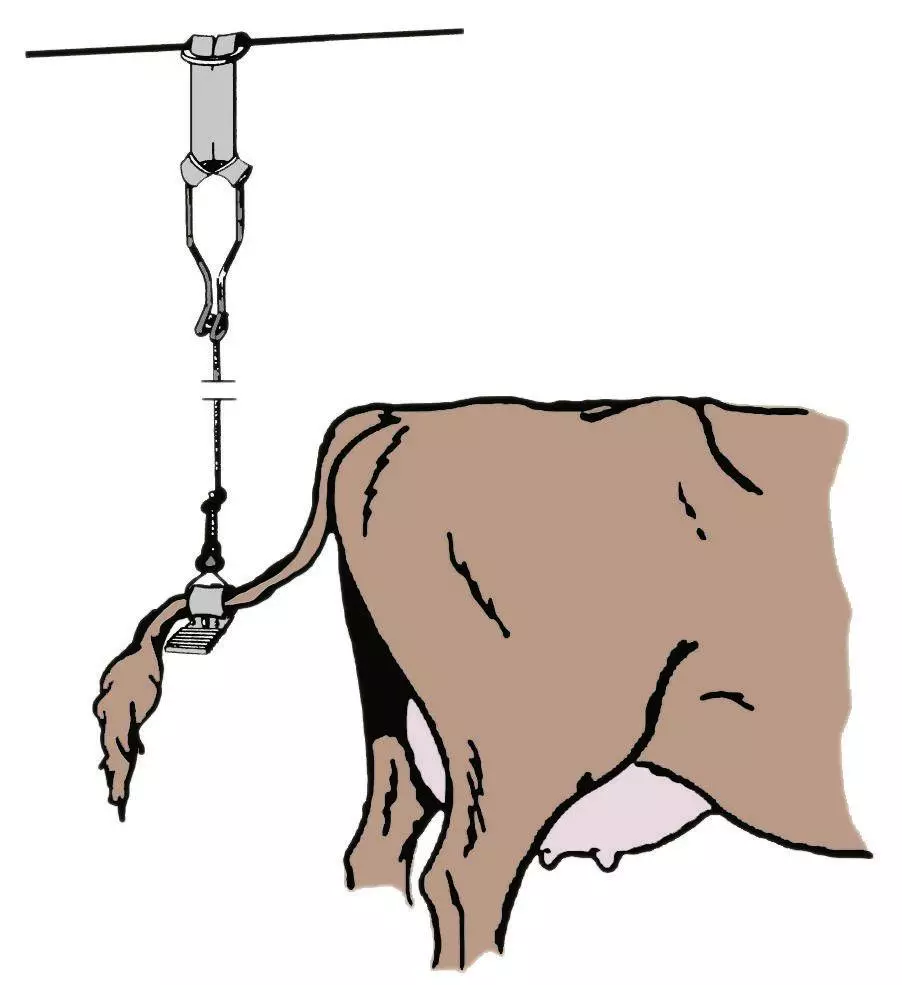
The upper support is fixed to a suitable overhead point in the cattle stall. A flexible cord or rope connects the upper support to the lower tail holder, allowing the tail to be positioned away from the working area. The lower rubber section grips the tail hair or tail area, while the flexible connection accommodates normal movement. The reference Allgäuer-type configuration also uses an elastic connection that can provide overload release when excessive traction occurs. |
||||||||||||||||||
| Technical Specifications |
|
||||||||||||||||||
| Applications |
|
||||||||||||||||||
| Customization Options |
|
||||||||||||||||||
| Installation & Maintenance |
Installation: Secure the upper support to a suitable overhead fixing point on the cattle stall structure. Connect the cord or rope assembly and check the lower tail holder before use. Adjustment: Set the connection length so the tail can be held clear of the working area without creating excessive tension. Inspection: Regularly check rubber components, cords, ropes, metal connectors and fastening points for wear, cracking, deformation or damage. Replacement: Worn rubber parts, cords and fastening components should be replaced promptly. Compatible spare parts can be supplied according to the selected configuration. |
||||||||||||||||||
| Project Cases |
The Cattle Tail Holder Restraint is suitable for integration into tethered-stall dairy farm equipment packages and cattle management systems. It can be supplied for new farm construction, renovation projects, livestock equipment replacement programs and distributor stock. Dimensions and component configurations can be coordinated for specific farm layouts. |
||||||||||||||||||
| Product FAQ |
Q1: What is a cattle tail holder used for?
A: It is used to keep a cow's tail controlled and elevated, helping reduce tail interference and maintain a cleaner working area in tethered-stall environments. Q2: Where is this tail holder commonly installed?
A: It is mainly used in fixed cattle stalls and tethered dairy housing where an overhead fixing point is available. Q3: What materials are used in the tail holder?
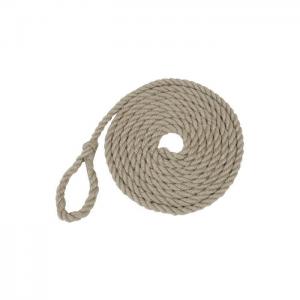
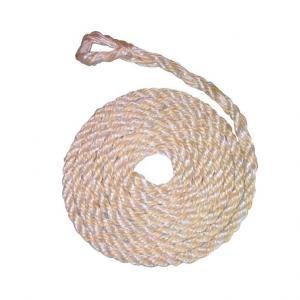
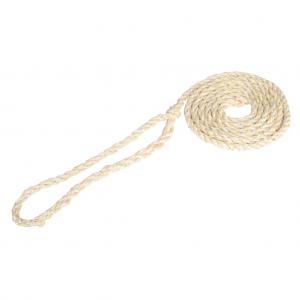
A: Typical configurations combine rubber tail-contact components, metal connection hardware, elastic rubber cord and nylon or Perlon rope. Q4: Can the rubber and rope components be replaced?
A: Yes. Replaceable upper and lower rubber parts, cords and nylon rope are available for compatible configurations. Q5: Can the cattle tail holder be customized?
A: Yes. Dimensions, cord length, rubber components, rope configuration, hardware and packaging can be customized according to project requirements. Q6: Is the product suitable for commercial dairy farms?
A: Yes. It is designed as a practical cattle management accessory for dairy stalls, milking areas and professional livestock equipment projects. |
||||||||||||||||||
| Product Gallery |
 |
- Home
-
Products
- Pig Farming Equipment
- Cattle Farming Equipment
- Sheep & Goat Farming Equipment
- Poultry Farming Equipment
- Feeding & Drinking Systems
- Veterinary & Breeding Equipment
- Testing & Diagnostic Equipment
- Cleaning & Biosecurity Equipment
- Climate Control Equipment
- Livestock Weighing Equipment
- Manure & Waste Management
- Farm Transport & Handling
-
Solutions
- Pig Farm Solutions
- Dairy Farm Solutions
- Beef Cattle Farm Solutions
- Sheep & Goat Farm Solutions
- Layer Farm Solutions
- Broiler Farm Solutions
- Feeding & Drinking System Solutions
- Climate Control Solutions
- Biosecurity & Disinfection Solutions
- Manure & Waste Management
- Smart Farming Solutions
- Farm Renovation and Upgrade Solutions
- Partners
- Projects
- Resources
- News
- About Us
- Contact
Comments & Inquiries
Leave your questions or requirements below. We will reply as soon as possible.