
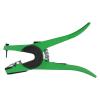
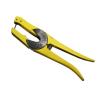
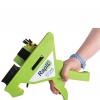
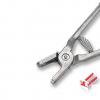
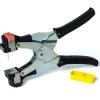
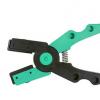

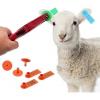
| Product Name | Sheep Tissue Sampling Ear Tag Applicator | ||||||||||||||||||||||
| Product Image | 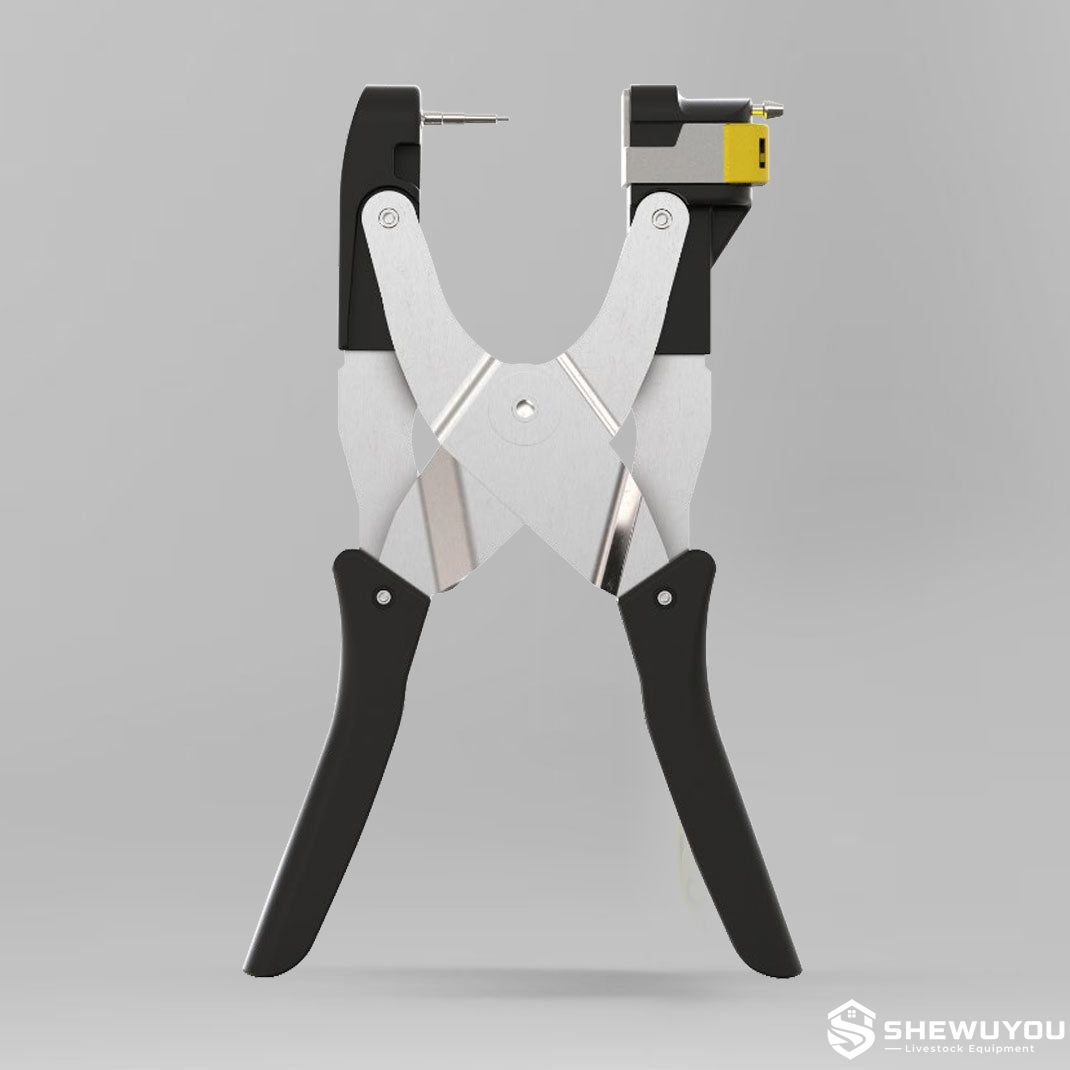 |
||||||||||||||||||||||
| Product Overview | The Sheep Tissue Sampling Ear Tag Applicator is a professional handheld livestock identification tool developed for applying compatible tissue sampling ear tags and collecting an ear-tissue specimen during the same handling procedure. Its controlled straight-line closing action helps align the cutter, tag components and sample vial for accurate sampling and reliable tag installation. The applicator is suitable for goat-farming-equipment/" target="_blank" class="keylink">sheep breeding farms, goat operations, genetics programs, veterinary teams and livestock research projects where individual animal identification must be linked accurately with DNA or other laboratory samples. It can support tissue-sampling-only systems as well as integrated tissue sampling and identification tag configurations according to the selected tag system. |
||||||||||||||||||||||
| Key Features |
|
||||||||||||||||||||||
| Structural Components |
|
||||||||||||||||||||||
| Working Principle | The compatible sample vial and tag components are first loaded into the lower jaw, while the cutter tip is positioned on the upper tagger pin. The operator checks that all components are correctly seated before application. After the sheep is safely restrained, the applicator is positioned on the selected area of the ear between major blood vessels. The handles are then compressed completely. The cutter passes through the ear, transferring a small tissue specimen into the collection vial while the corresponding identification component is installed when using an integrated tissue tag system. The handles should be allowed to reopen completely after sampling before the applicator is removed from the ear. The sample vial is then removed, checked for the presence of the cutter tip and tissue specimen, and prepared for laboratory identification and processing. |
||||||||||||||||||||||
| Technical Specifications |
|
||||||||||||||||||||||
| Applications |
|
||||||||||||||||||||||
| Customization Options | Applicator configuration, compatible tissue tag system, spare pins, sampling accessories, carrying case and packaging can be supplied according to project requirements. The applicator can also be supplied together with tissue sampling ear tags, sample vials, visual ear tags, EID tags, barcode-matched identification sets and other livestock identification equipment. Bulk distributor packaging and private-label programs are available upon request. |
||||||||||||||||||||||
| Installation & Maintenance | No fixed installation is required. Before sampling, inspect the applicator for cleanliness, correct jaw alignment and smooth operation. Load only components designed for the selected sampling system. Keep the cutter tip clean and avoid touching its active cutting surface. If a disposable cutter is contaminated or dropped before use, replace it with a clean component. Position the applicator on healthy ear tissue between major blood vessels and fully compress the handles during sampling. After each working session, clean the applicator and remove organic material from the jaws, retaining plate and pin. Dry the tool before storage and periodically inspect the pivot joints, pin and retaining components for wear or damage. |
||||||||||||||||||||||
| Project Cases | Sheep tissue sampling applicators can be supplied as part of complete breeding and livestock identification projects together with tissue sampling tags, EID ear tags, visual tags, handheld RFID readers, electronic weighing equipment and animal management systems. For large genetics and traceability projects, applicators and matched sampling consumables can be configured according to laboratory workflow, flock size, identification format and farm operating procedures. |
||||||||||||||||||||||
| Product FAQ | Q: What is a tissue sampling ear tag applicator used for? A: It is used to collect a small ear-tissue sample and, with compatible systems, apply an identification ear tag during the same handling procedure. Q: Can it be used for tissue sampling without applying a permanent identification tag? A: Yes. Compatible tissue-sampling-only systems can collect a sample from livestock that already have an existing visual or electronic identification tag. Q: Why is straight-line closing important? A: A direct closing action helps align the cutter with the sample vial and supports clean transfer of the tissue specimen into the collection container. Q: Does the applicator require electricity? A: No. It is a fully manual handheld applicator and can be used in handling races, barns and field locations. Q: Can it be used for sheep and goats? A: Yes. Compatible tissue sampling systems can be used in sheep and goat identification and genetics programs. Q: Can replacement pins be supplied? A: Yes. Replacement pins and compatible applicator accessories are available according to the selected model. Q: Can the applicator be supplied together with tissue sampling tags? A: Yes. Complete applicator, tissue tag, sampling vial and livestock identification packages can be configured according to project requirements. |
||||||||||||||||||||||
| Product Gallery | 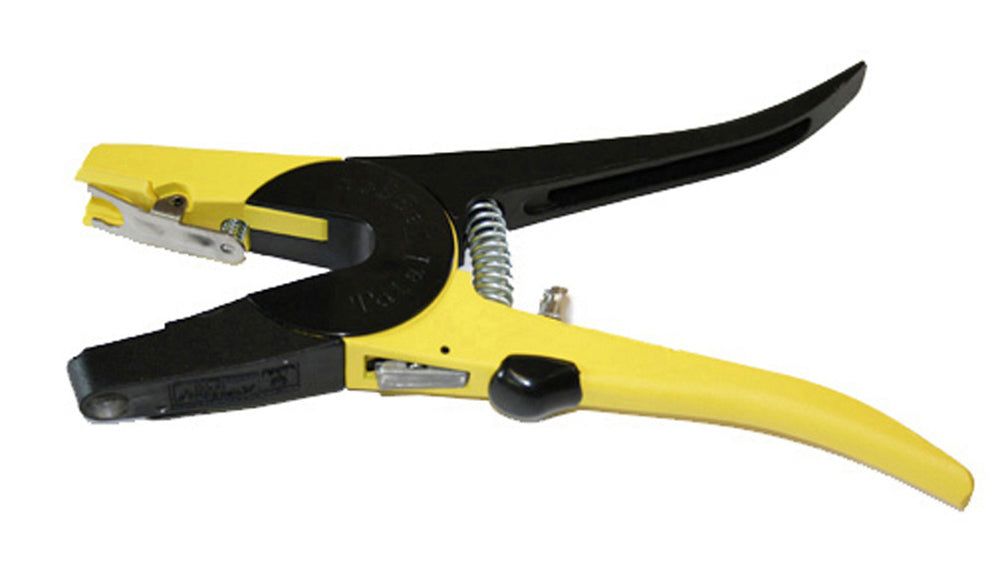 |
- Home
-
Products
- Pig Farming Equipment
- Cattle Farming Equipment
- Sheep & Goat Farming Equipment
- Poultry Farming Equipment
- Feeding & Drinking Systems
- Veterinary & Breeding Equipment
- Testing & Diagnostic Equipment
- Cleaning & Biosecurity Equipment
- Climate Control Equipment
- Livestock Weighing Equipment
- Manure & Waste Management
- Farm Transport & Handling
-
Solutions
- Pig Farm Solutions
- Dairy Farm Solutions
- Beef Cattle Farm Solutions
- Sheep & Goat Farm Solutions
- Layer Farm Solutions
- Broiler Farm Solutions
- Feeding & Drinking System Solutions
- Climate Control Solutions
- Biosecurity & Disinfection Solutions
- Manure & Waste Management
- Smart Farming Solutions
- Farm Renovation and Upgrade Solutions
- Partners
- Projects
- Resources
- News
- About Us
- Contact
Comments & Inquiries
Leave your questions or requirements below. We will reply as soon as possible.