


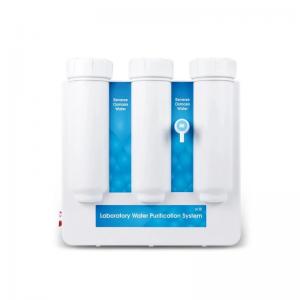
| Product Name | Reverse Osmosis Water Purification System for Semen Lab | ||||||||||||||||||||
| Product Image |  |
||||||||||||||||||||
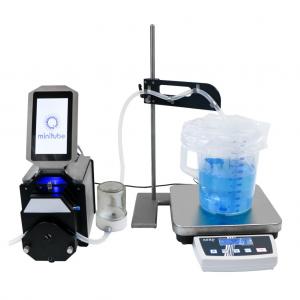
| Product Overview | The Reverse Osmosis Water Purification System for Semen Lab is designed to provide purified water for semen processing laboratories, artificial insemination centers, boar studs, livestock breeding stations, and veterinary reproduction facilities. Reverse osmosis technology helps reduce dissolved contaminants in incoming water before it is used for semen extender preparation, laboratory washing, reagent preparation, and other controlled reproductive laboratory procedures. Depending on the selected configuration, the system can incorporate water-quality monitoring, pretreatment cartridges, reverse osmosis membranes, storage tanks, sterile tank ventilation, UV treatment, and automatic maintenance functions. Minitube's reference system uses reverse osmosis, conductivity and deionization monitoring, sterile tank ventilation, and automated warning functions. :contentReference[oaicite:1]{index=1} |
||||||||||||||||||||
| Key Features |
|
||||||||||||||||||||
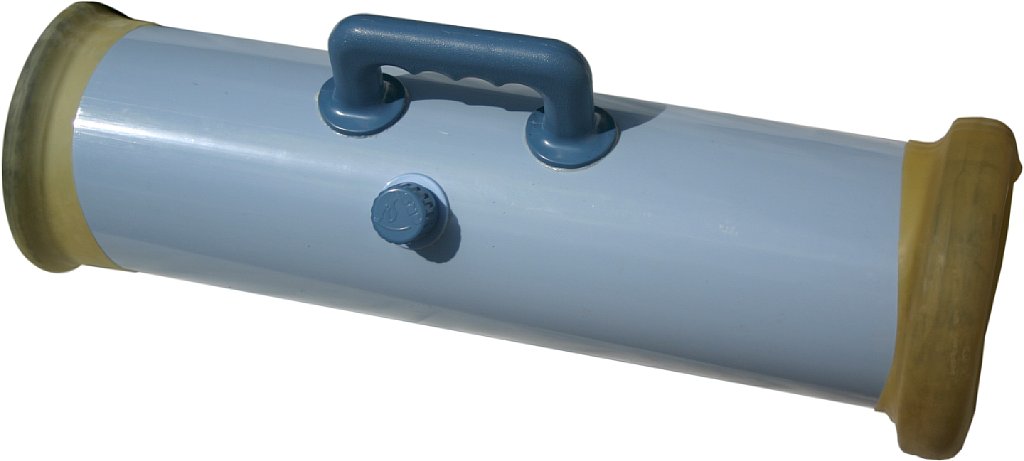
| Structural Components | A typical laboratory reverse osmosis purification system includes a feed-water connection, pretreatment cartridge assembly, reverse osmosis membrane, pressure-control components, microprocessor controller, conductivity monitoring system, purified-water storage tank, sterile tank ventilation filter, tubing, valves, and dispensing connections. Depending on the project configuration, a UV treatment module, additional polishing cartridge, sanitization system, level control, booster pump, and external conductivity meter can also be integrated. |
||||||||||||||||||||
| Working Principle / Structural Principle | Feed water first passes through pretreatment components that help protect the main membrane. Pressure then drives the water across a semi-permeable reverse osmosis membrane. Purified permeate passes through the membrane while a concentrated stream containing a higher proportion of dissolved contaminants is discharged separately. The purified water is transferred to a storage tank or downstream treatment stage. Water-quality sensors can continuously monitor conductivity or related parameters, while automated controls provide operating status and maintenance warnings. For semen laboratory applications, the purified water can subsequently be used in accordance with the laboratory's approved semen extender preparation and hygiene procedures. |
||||||||||||||||||||
| Technical Specifications |
The current Minitube porcine reproduction catalog lists reference configurations of approximately 8 L/h with a 100 L tank and approximately 24 L/h with a 200 L tank. :contentReference[oaicite:2]{index=2} |
||||||||||||||||||||
| Applications |
|
||||||||||||||||||||
| Customization Options | SHEWUYOU can configure the water purification system according to semen laboratory capacity, incoming water conditions, daily purified-water consumption, available installation space, and local electrical standards. Optional configurations can include different production capacities, storage tank sizes, pretreatment stages, UV treatment, conductivity monitoring, pressure pumps, automatic tank filling, sanitization functions, dispensing points, and replacement consumable packages. Final specifications are available according to project requirements. |
||||||||||||||||||||
| Installation & Maintenance | Install the system in a clean laboratory utility area with an appropriate feed-water connection, drain, electrical supply, and sufficient access for filter and membrane replacement. Feed-water quality and pressure should be evaluated before final system selection. Pretreatment cartridges and reverse osmosis membranes should be inspected and replaced according to operating hours, feed-water conditions, water-quality readings, and manufacturer recommendations. Routine maintenance can include sanitization, conductivity verification, tank inspection, filter replacement, leak inspection, and cleaning of dispensing connections. Systems with automated alerts can simplify preventive maintenance planning. |
||||||||||||||||||||
| Project Cases | The Reverse Osmosis Water Purification System can be integrated into complete semen laboratory projects together with semen collection equipment, heated extender preparation tanks, laboratory water baths, semen analysis systems, microscopes, dispensers, filling and sealing equipment, semen storage units, and laboratory workstations. For new boar stud or artificial insemination laboratory projects, the purification capacity can be selected according to daily semen production, extender consumption, cleaning demand, laboratory workflow, and future expansion requirements. |
||||||||||||||||||||
| Product FAQ | Q: Why is purified water important in a semen processing laboratory? A: Controlled water quality is important for semen extender preparation and other laboratory procedures where dissolved contaminants or inconsistent water quality may interfere with standardized reproductive laboratory processes. Q: Does the system use reverse osmosis? A: Yes. The main purification stage uses reverse osmosis membrane technology. Q: Can purified-water quality be monitored automatically? A: Yes. Configurations with conductivity and percentage deionization monitoring are available. Q: Can the system include a UV module? A: Yes. UV treatment can be integrated according to the selected configuration and project requirements. Q: Are different production capacities available? A: Yes. Laboratory output capacity and storage tank size can be selected according to daily water demand. Q: Can the system be supplied as part of a complete semen laboratory project? A: Yes. It can be integrated with semen extender preparation, analysis, filling, packaging, storage, and other reproductive laboratory equipment. |
||||||||||||||||||||
| Product Gallery | 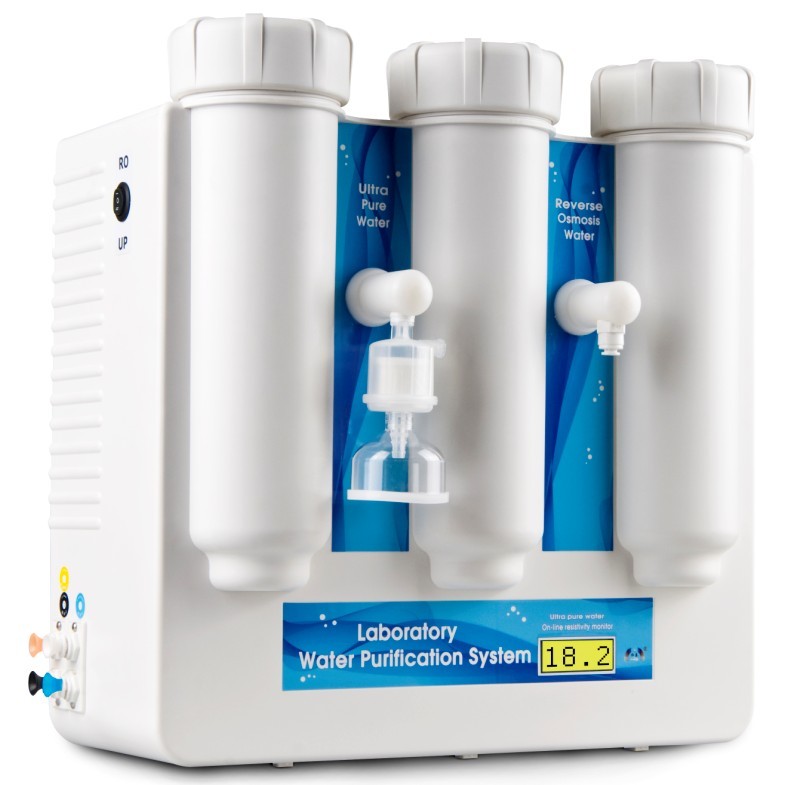  |
- Home
-
Products
- Pig Farming Equipment
- Cattle Farming Equipment
- Sheep & Goat Farming Equipment
- Poultry Farming Equipment
- Feeding & Drinking Systems
- Veterinary & Breeding Equipment
- Testing & Diagnostic Equipment
- Cleaning & Biosecurity Equipment
- Climate Control Equipment
- Livestock Weighing Equipment
- Manure & Waste Management
- Farm Transport & Handling
-
Solutions
- Pig Farm Solutions
- Dairy Farm Solutions
- Beef Cattle Farm Solutions
- Sheep & Goat Farm Solutions
- Layer Farm Solutions
- Broiler Farm Solutions
- Feeding & Drinking System Solutions
- Climate Control Solutions
- Biosecurity & Disinfection Solutions
- Manure & Waste Management
- Smart Farming Solutions
- Farm Renovation and Upgrade Solutions
- Partners
- Projects
- Resources
- News
- About Us
- Contact
Comments & Inquiries
Leave your questions or requirements below. We will reply as soon as possible.