



| Product Name | Soft Latex Lamb Feeding Teat | ||||||||||||||||||||
| Product Image | 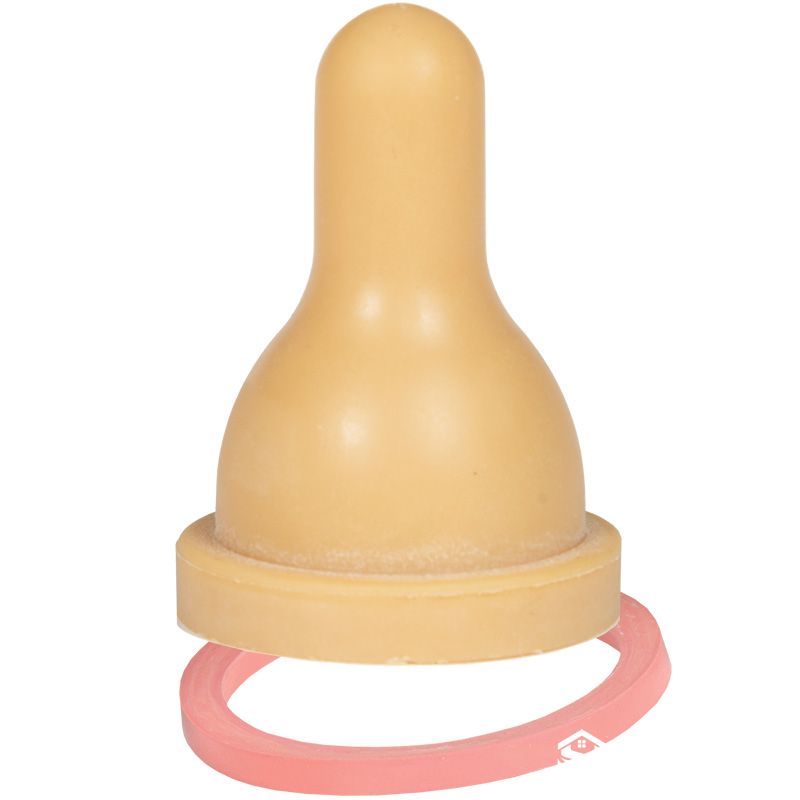 |
||||||||||||||||||||
| Product Overview |
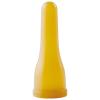
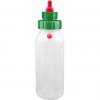
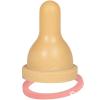
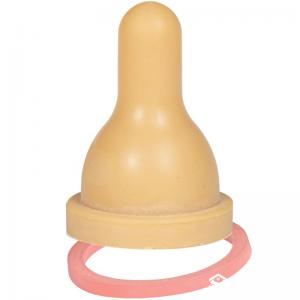
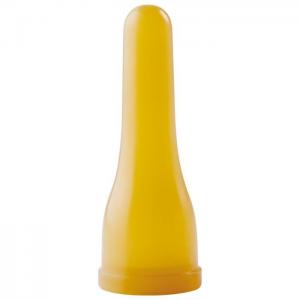
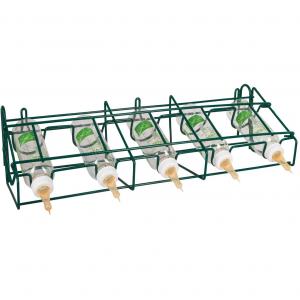
The Soft Latex Lamb Feeding Teat is a flat-back replacement teat designed for artificial milk feeding of newborn lambs and goat kids. The soft latex material provides a flexible, teat-like nursing surface that is readily accepted by many young animals during the early feeding stage. The flat rear flange allows the teat to be fitted to compatible bucket teat units and mountable teat feeders. It can be used in individual feeding stations or multi-position milk feeding systems installed in lambing barns, nursery pens and commercial sheep or goat production facilities. Compared with heavier rubber teats, latex offers greater softness but is generally less resistant to chewing and sharp teeth. It is therefore particularly suitable for young animals during the initial milk-feeding period. |
||||||||||||||||||||
| Key Features |
|
||||||||||||||||||||
| Structural Components |
|
||||||||||||||||||||
| Working Principle / Structural Principle |
The flat-back latex teat is secured to a compatible bucket teat unit or mountable feeder assembly. Milk is supplied from a bottle, bucket or reservoir connected to the feeding point. As the lamb or goat kid suckles, the flexible teat is compressed and milk is drawn through the slit in the teat tip. The soft latex body flexes during nursing and returns toward its original shape as pressure is released. Milk flow depends on the feeder design, teat slit, milk level and associated tube or valve configuration. The teat opening should not be enlarged excessively, as an oversized slit may cause uncontrolled dripping. |
||||||||||||||||||||
| Technical Specifications |
|
||||||||||||||||||||
| Applications |
|
||||||||||||||||||||
| Customization Options |
|
||||||||||||||||||||
| Installation & Maintenance |
Installation:
Maintenance:
|
||||||||||||||||||||
| Product FAQ |
Q1: What animals is this latex teat designed for? It is primarily designed for young lambs and goat kids requiring assisted or artificial milk feeding. Q2: Why use latex instead of rubber? Latex provides a softer, more teat-like feel that can be easier for newborn or weak animals to accept. Rubber is generally more durable for older animals with sharper teeth. Q3: What feeders are compatible with the flat-back teat? The flat-back design is intended for compatible bucket teat units and mountable teat feeders. Connection dimensions should be confirmed before ordering. Q4: Is a washer required? A washer may be used with compatible feeder assemblies to assist mounting and sealing. Versions with and without a washer are available. Q5: How should latex teats be stored? Store them in a clean, dry location away from direct sunlight and prolonged UV exposure, which can degrade latex. Q6: Can the teat opening be adjusted? The teat slit can be carefully adjusted when required for a compatible feeding system, but excessive enlargement may cause continuous dripping or uncontrolled milk flow. Q7: Can the teat be used throughout the entire rearing period? Latex is especially useful during the early feeding stage. As lambs and goat kids grow and begin chewing more aggressively, a more durable rubber teat may be preferred. |
||||||||||||||||||||
| Product Gallery | 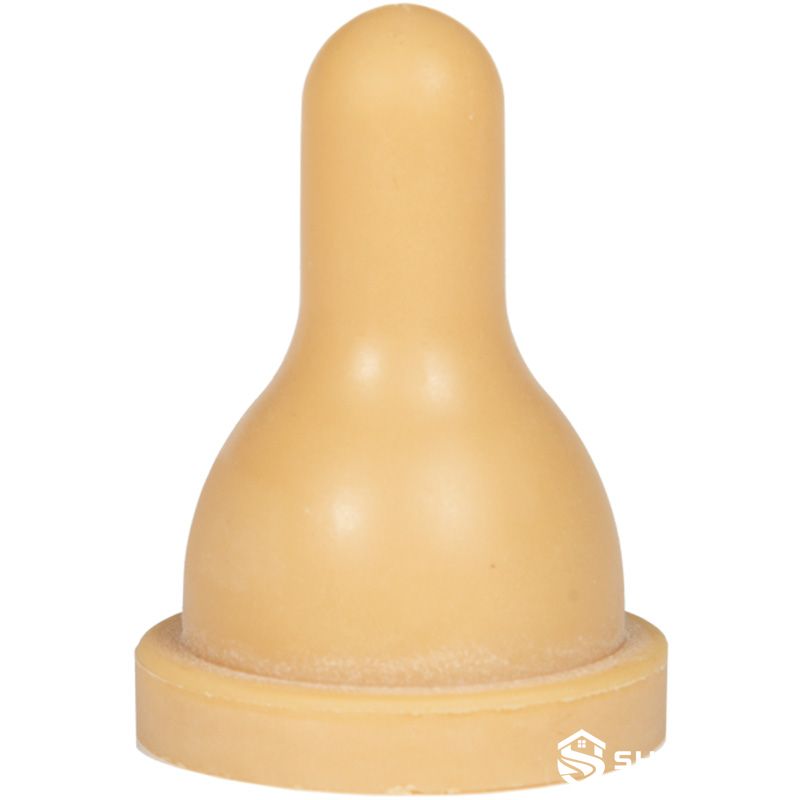 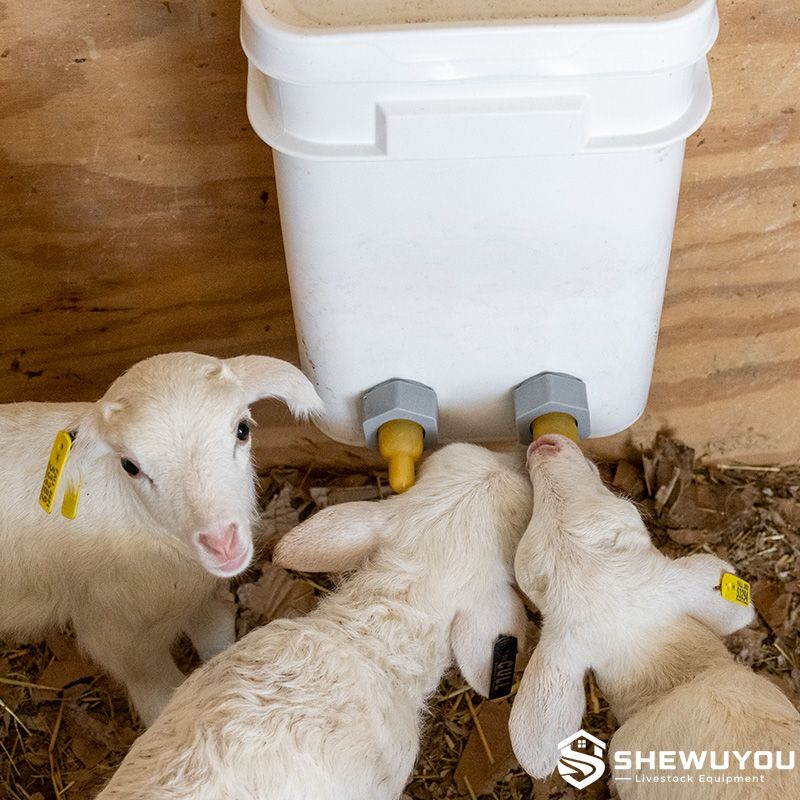 |
- Home
-
Products
- Pig Farming Equipment
- Cattle Farming Equipment
- Sheep & Goat Farming Equipment
- Poultry Farming Equipment
- Feeding & Drinking Systems
- Veterinary & Breeding Equipment
- Testing & Diagnostic Equipment
- Cleaning & Biosecurity Equipment
- Climate Control Equipment
- Livestock Weighing Equipment
- Manure & Waste Management
- Farm Transport & Handling
-
Solutions
- Pig Farm Solutions
- Dairy Farm Solutions
- Beef Cattle Farm Solutions
- Sheep & Goat Farm Solutions
- Layer Farm Solutions
- Broiler Farm Solutions
- Feeding & Drinking System Solutions
- Climate Control Solutions
- Biosecurity & Disinfection Solutions
- Manure & Waste Management
- Smart Farming Solutions
- Farm Renovation and Upgrade Solutions
- Partners
- Projects
- Resources
- News
- About Us
- Contact
Comments & Inquiries
Leave your questions or requirements below. We will reply as soon as possible.