
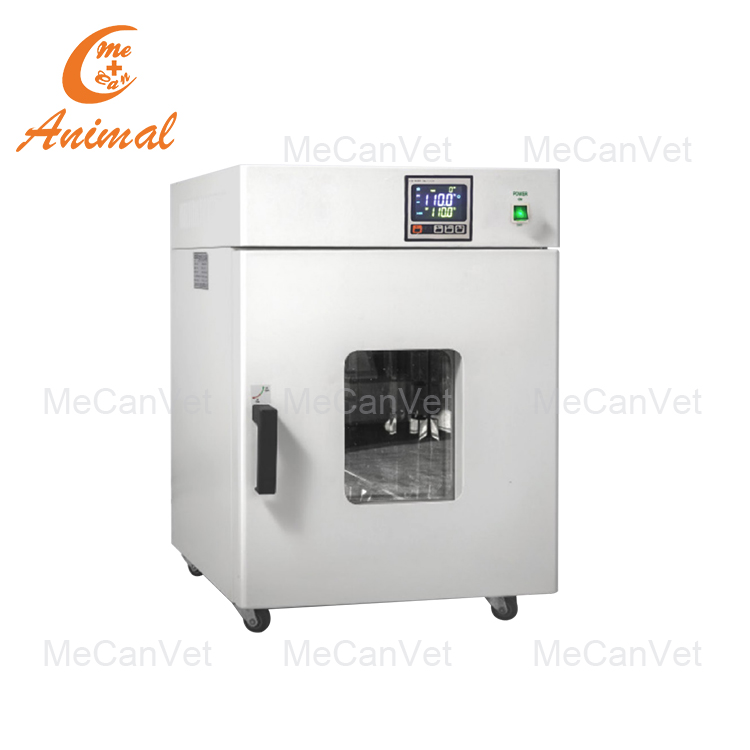
| Product Name | Laboratory Constant Temperature Incubator | ||||||||||||||||||||||||||||||||||||||
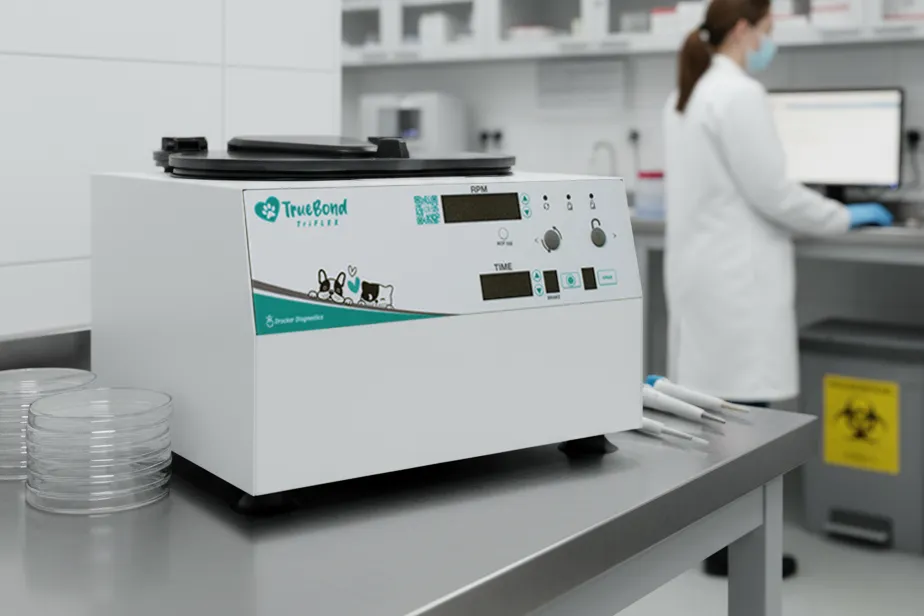
| Product Image | 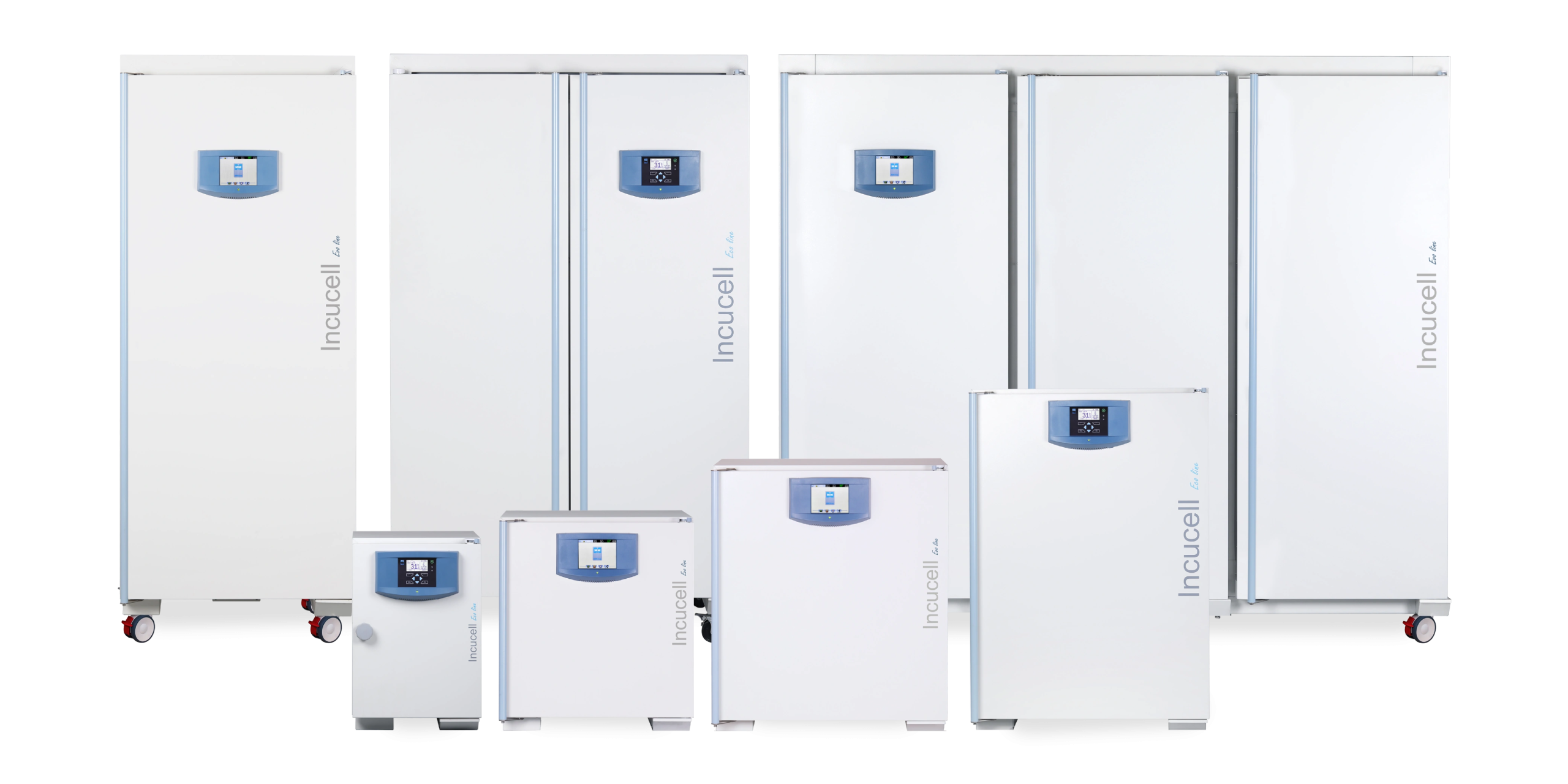 |
||||||||||||||||||||||||||||||||||||||
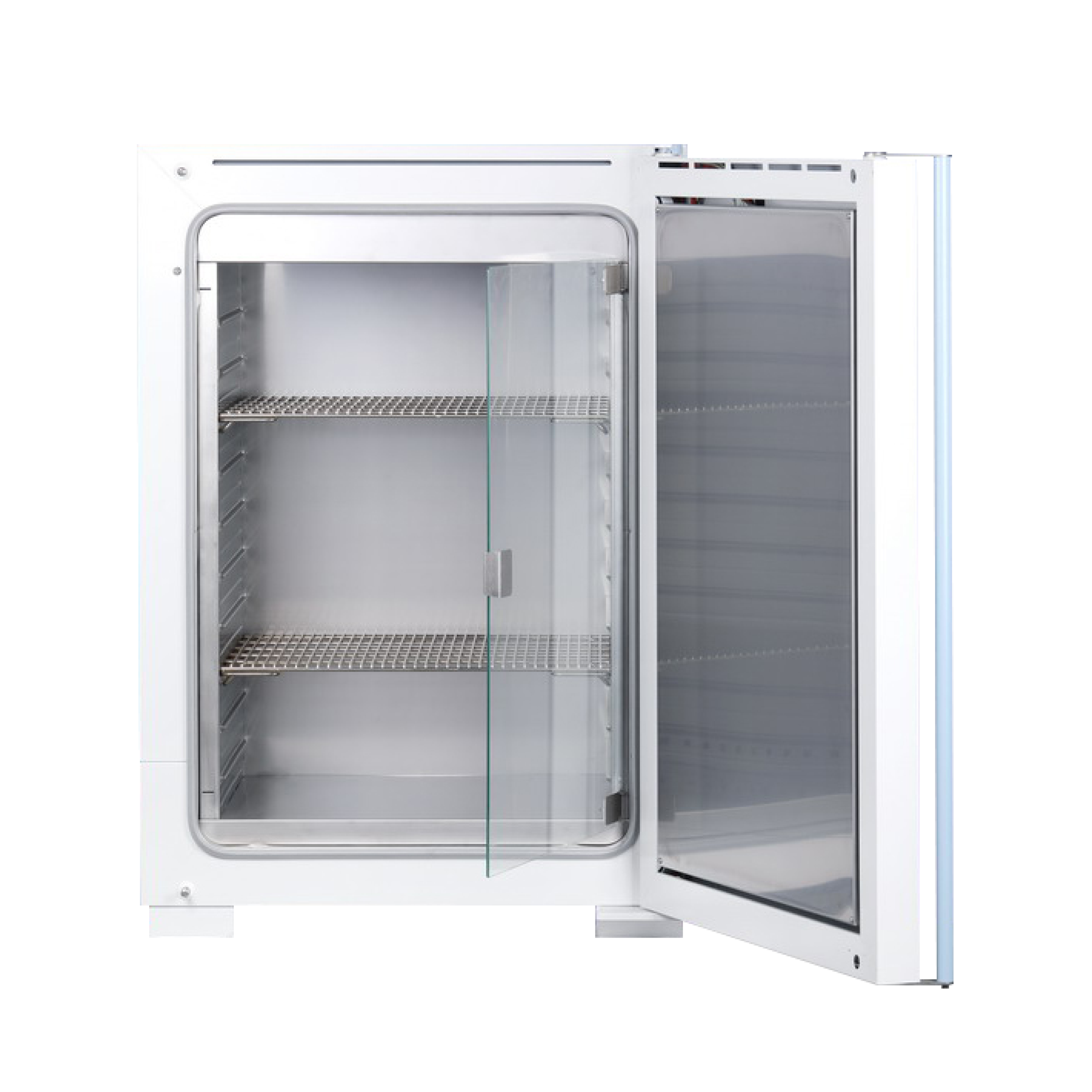
| Product Overview | The Laboratory Constant Temperature Incubator is designed for controlled incubation of samples, cultures and microbiological specimens in research, veterinary, academic and laboratory environments. Its natural gravity convection system provides gentle, non-turbulent air circulation without a fan or blower, helping reduce vibration and unnecessary disturbance of sensitive samples. A microprocessor-based temperature control system continuously monitors chamber conditions and adjusts heating input to maintain a stable incubation environment. The working temperature range is ambient +5°C to 100°C, while temperature uniformity is specified at ±1°C for the standard configuration. The incubator combines a stainless steel chamber, multi-layer insulation, removable shelving, an inner glass door and a sealed outer door. These structural features support long-term laboratory use, convenient cleaning and stable thermal performance. Multiple chamber sizes and controller configurations are available, allowing the equipment to be selected for laboratory capacity and workflow requirements. Project specifications are Customizable and Available upon request. |
||||||||||||||||||||||||||||||||||||||
| Key Features |
|
||||||||||||||||||||||||||||||||||||||
| Structural Components | The incubator adopts a cabinet-style laboratory equipment structure with an insulated enclosure, stainless steel chamber, natural convection heating system and digital temperature-control assembly. Main structural components include:
|
||||||||||||||||||||||||||||||||||||||
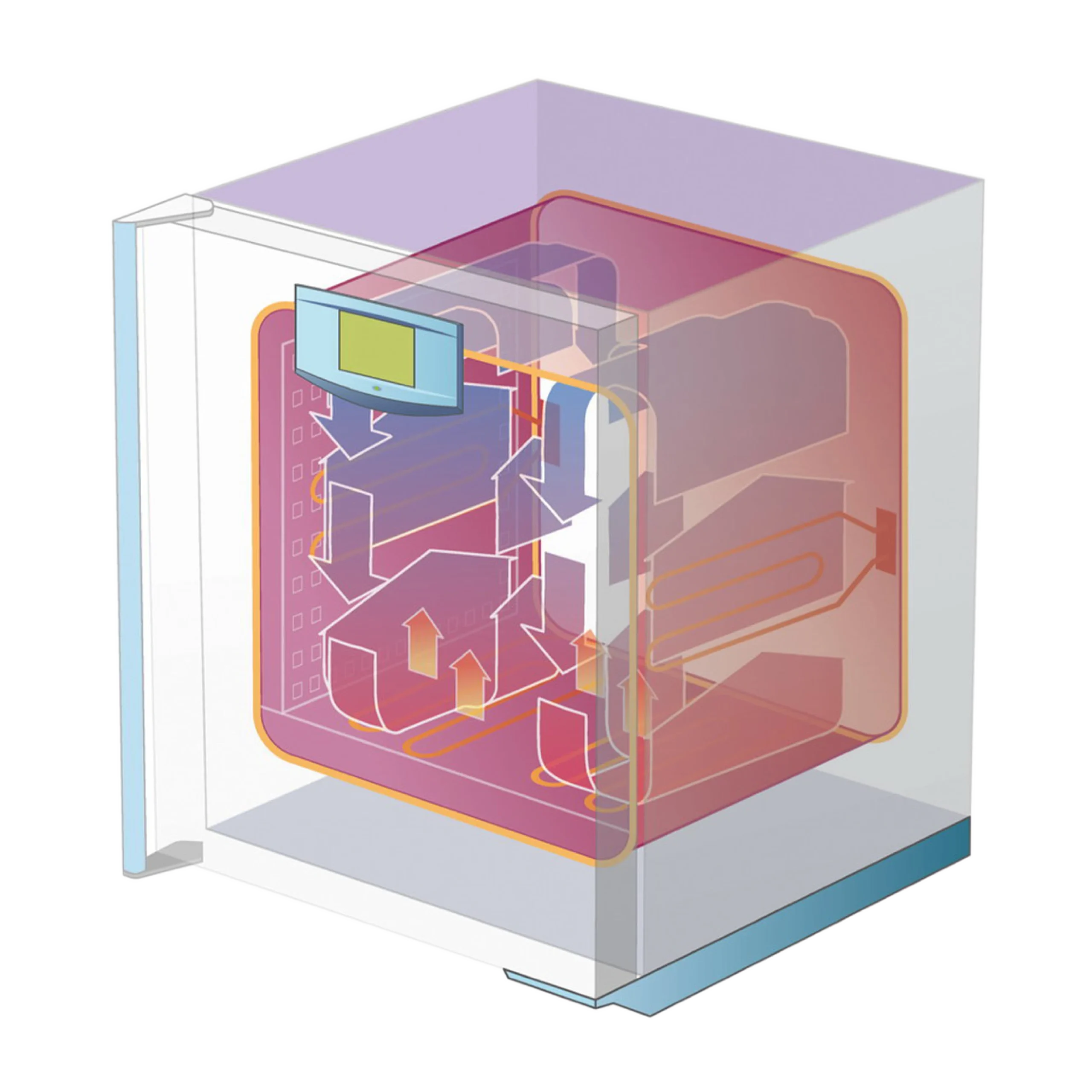
| Working Principle / Structural Principle | The incubator operates through natural gravity convection rather than forced-air circulation. Heating elements located at the lower section of the chamber warm the surrounding air. As the warm air rises and cooler air moves downward, a continuous natural circulation pattern is created inside the chamber. This fanless circulation method avoids turbulent airflow that may disturb samples or increase particle movement. It also eliminates fan-related vibration and contributes to quiet operation. The temperature sensor continuously measures chamber conditions. The microprocessor controller uses the sensor feedback to regulate heating input and maintain the selected temperature. Fuzzy Logic control allows the system to adapt heating output in response to changing chamber conditions. The insulated cabinet and sealed door structure reduce heat loss, while the inner glass door allows visual inspection of samples with less disruption to the controlled environment. |
||||||||||||||||||||||||||||||||||||||
| Technical Specifications |
|
||||||||||||||||||||||||||||||||||||||
| Applications |
|
||||||||||||||||||||||||||||||||||||||
| Customization Options | The Laboratory Constant Temperature Incubator is available in multiple chamber capacities and can be configured according to laboratory throughput, sample loading requirements and facility conditions. Available configuration considerations include chamber volume, shelf type and quantity, stainless steel grade, access port size, controller type, data communication, printer functions, interior lighting, door and access control, casters or leveling feet, electrical configuration and other accessories. For commercial pig farms, integrated livestock groups, veterinary laboratories and agricultural engineering projects, the equipment configuration can be coordinated with laboratory room dimensions, bench layout, power distribution, biosecurity zoning and overall diagnostic workflow. Configuration is Customizable, According to project requirements, and Available upon request. |
||||||||||||||||||||||||||||||||||||||
| Installation & Maintenance | The incubator should be installed indoors on a stable, level surface or suitable equipment base. Adequate clearance should be maintained around the cabinet for ventilation, inspection and service access. Before commissioning, verify the electrical supply, grounding and installation environment. The chamber should be allowed to stabilize at the required set point before samples are loaded, following the applicable operating procedure. The stainless steel chamber and removable shelves facilitate routine cleaning. Internal surfaces should be cleaned using laboratory-approved procedures and cleaning agents compatible with the chamber materials. Avoid unnecessary door opening during incubation, as repeated access can affect temperature stability. Inspect the door gasket, latch system, shelves, chamber surfaces and electrical connections periodically. Temperature verification and calibration should be performed according to the laboratory quality management system, application requirements and applicable local standards. Optional temperature mapping or IQ/OQ documentation can be specified According to project requirements. |
||||||||||||||||||||||||||||||||||||||
| Project Cases | The Laboratory Constant Temperature Incubator is suitable for procurement projects involving commercial pig farms, integrated livestock production groups, veterinary diagnostic laboratories, agricultural research institutions and laboratory engineering contractors. For commercial swine production facilities, the incubator can be installed within a dedicated animal health laboratory for controlled incubation and microbiological workflows. Its available chamber capacities allow equipment selection to be matched with expected sample throughput. For new livestock facility construction, the incubator can be included in the laboratory equipment schedule and coordinated with laboratory benches, electrical services, sample reception areas, testing zones and biosecurity workflow. For multi-site livestock operations, standardized incubator configurations can be specified across farm laboratories while allowing electrical supply, chamber capacity and accessory requirements to be adapted to local conditions. Equipment quantities, model selection and project-specific accessories are Available upon request. |
||||||||||||||||||||||||||||||||||||||
| Product FAQ |
Q: What is a Laboratory Constant Temperature Incubator used for? Q: What is the working temperature range? Q: How does the gravity convection system work? Q: Why use natural gravity convection instead of forced air? Q: What chamber capacities are available? Q: What is the standard chamber material? Q: Is data recording available? Q: Can the incubator be configured for a livestock engineering project? |
||||||||||||||||||||||||||||||||||||||
| Product Gallery |
    |
- Home
-
Products
- Pig Farming Equipment
- Cattle Farming Equipment
- Sheep & Goat Farming Equipment
- Poultry Farming Equipment
- Feeding & Drinking Systems
- Veterinary & Breeding Equipment
- Testing & Diagnostic Equipment
- Cleaning & Biosecurity Equipment
- Climate Control Equipment
- Livestock Weighing Equipment
- Manure & Waste Management
- Farm Transport & Handling
-
Solutions
- Pig Farm Solutions
- Dairy Farm Solutions
- Beef Cattle Farm Solutions
- Sheep & Goat Farm Solutions
- Layer Farm Solutions
- Broiler Farm Solutions
- Feeding & Drinking System Solutions
- Climate Control Solutions
- Biosecurity & Disinfection Solutions
- Manure & Waste Management
- Smart Farming Solutions
- Farm Renovation and Upgrade Solutions
- Partners
- Projects
- Resources
- News
- About Us
- Contact


Comments & Inquiries
Leave your questions or requirements below. We will reply as soon as possible.