| Product Showcase |
Content |
| Product Name |
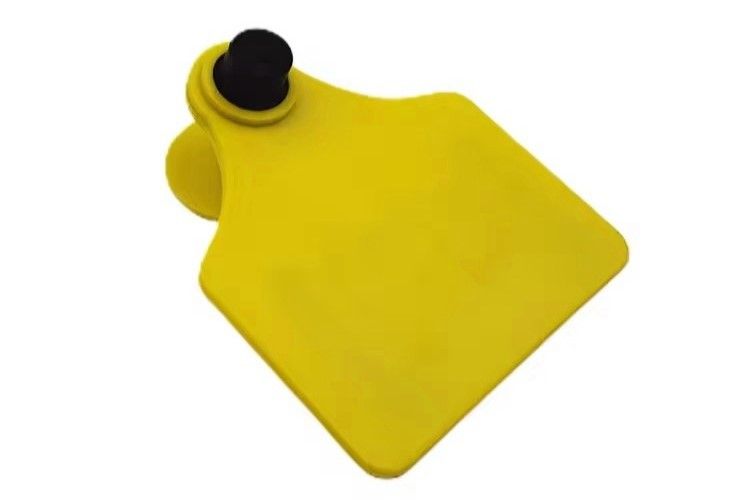
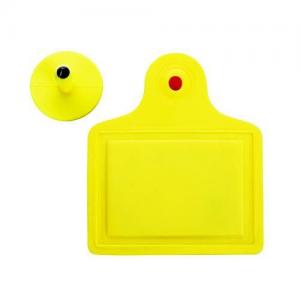
RFID Livestock Ear Tags |
| Product Image |
 |
| Product Overview |
RFID Livestock Ear Tags provide a practical electronic identification solution for cattle and other livestock. Each tag can be associated with a unique electronic ID, allowing animal identification data to be connected with farm management records.
The tags are suitable for commercial cattle farms, breeding operations, livestock traceability programs, veterinary services and agricultural projects requiring efficient animal identification and data collection.
|
| Key Features |
- Electronic identification for individual livestock management.
- Durable construction designed for outdoor and intensive farming environments.
- RFID identification can be combined with visible animal numbering.
- LF and UHF configurations available according to reader and management-system requirements.
- Suitable for integration with livestock identification and traceability workflows.
- Custom colors, serial numbers, barcodes, QR codes and other markings available according to project requirements.
- Pre-encoding and data matching can be provided for bulk livestock identification projects.
- Applicable to cattle, calves and other livestock according to the selected tag design.
|
| Structural Components |
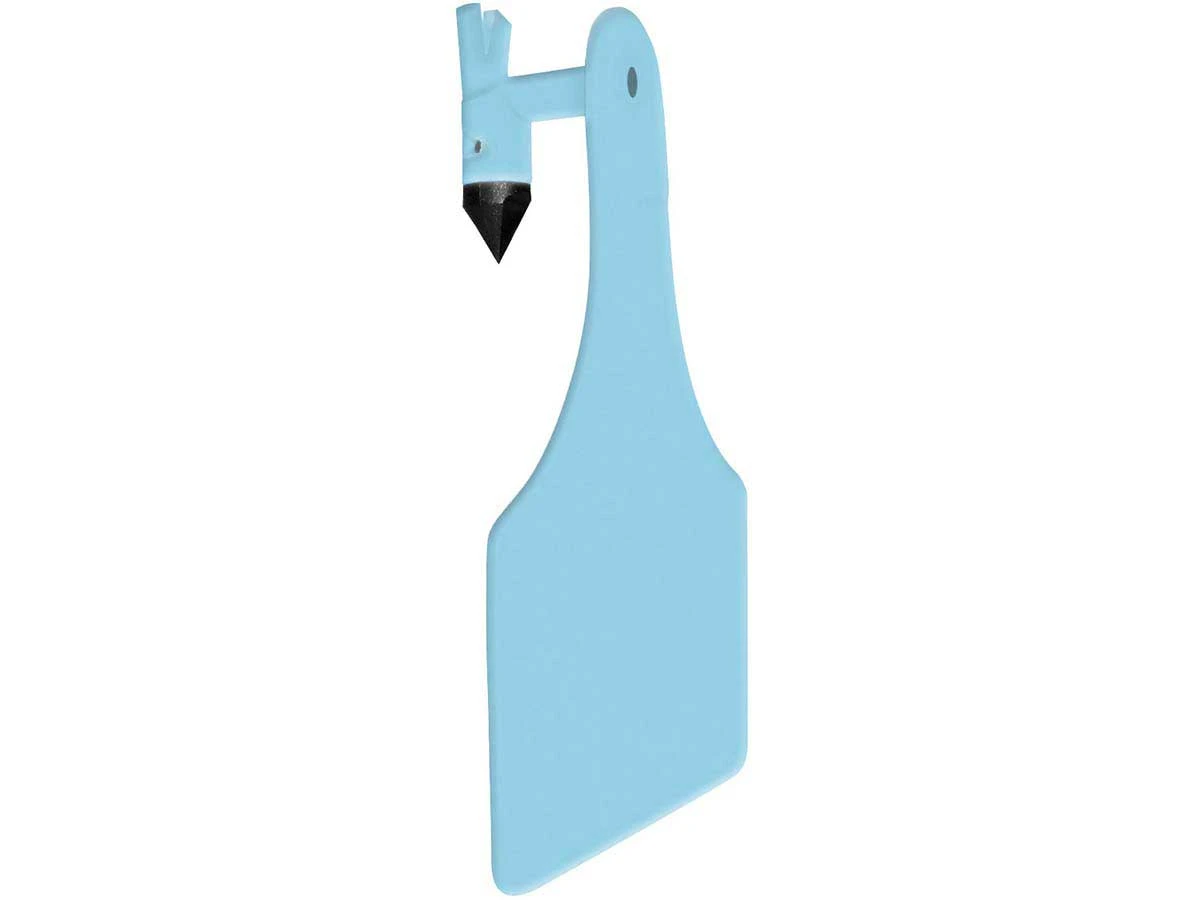
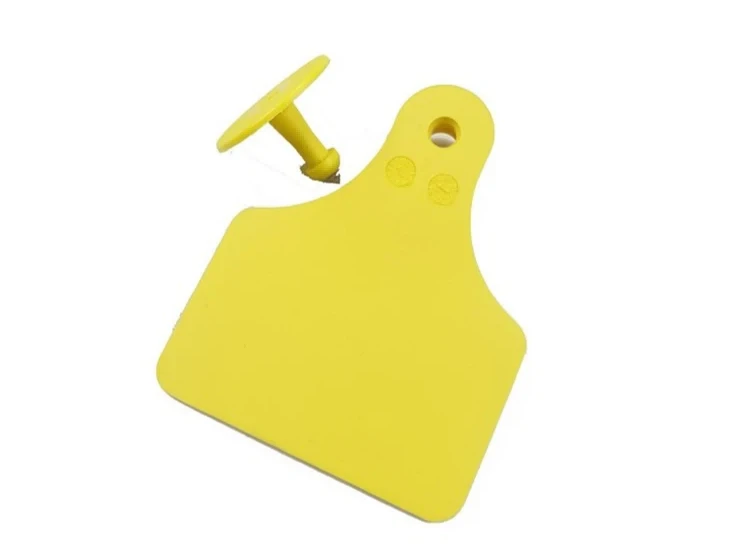
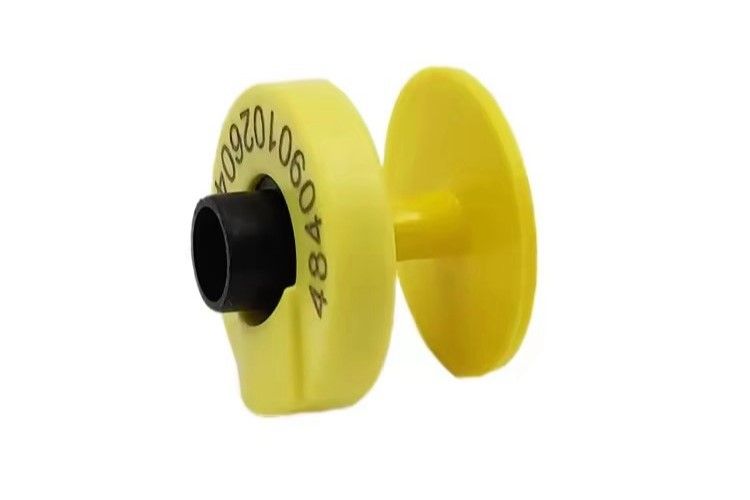
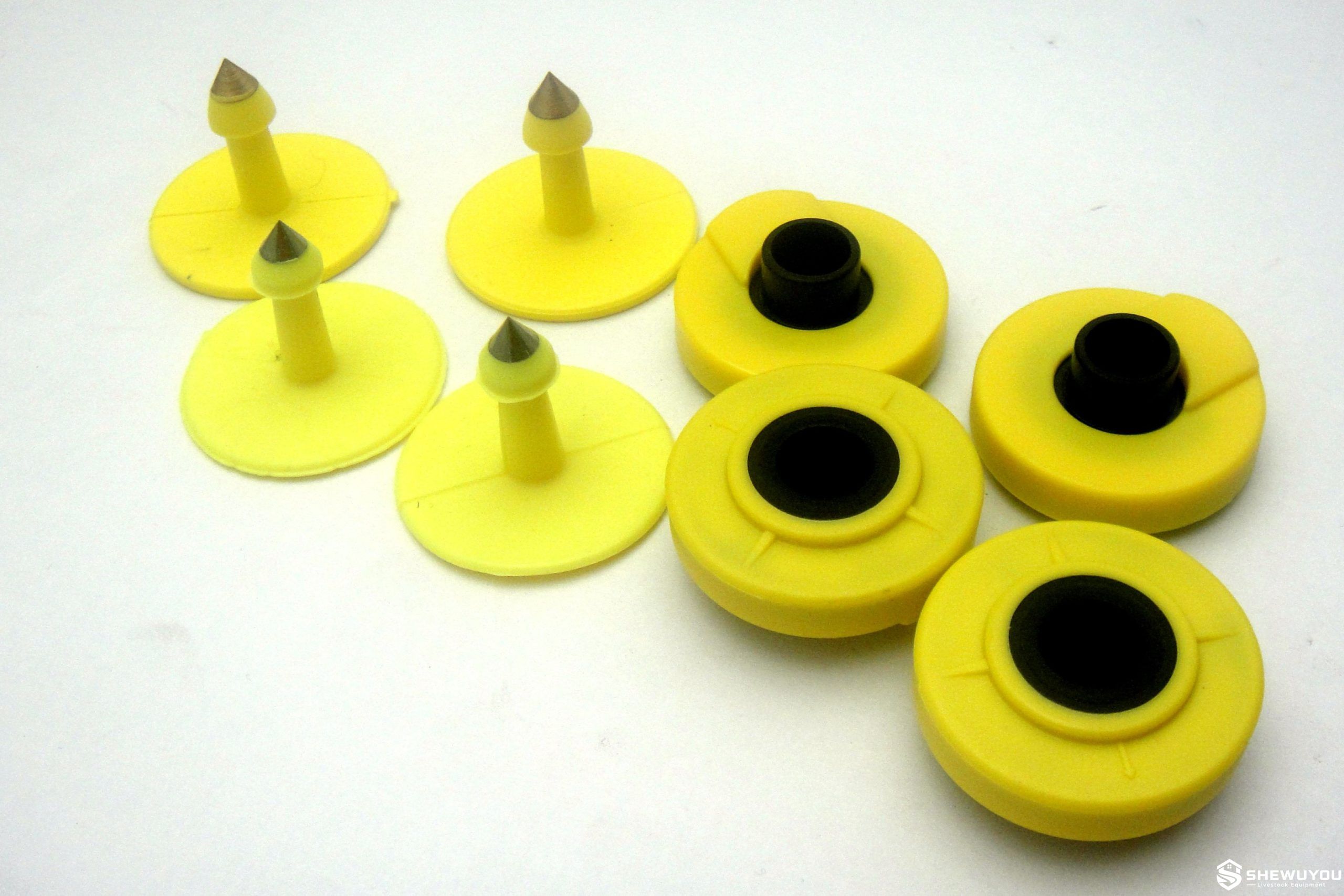
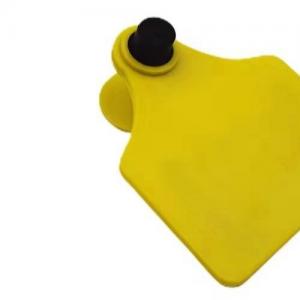
- Tag Body: Flexible livestock-grade housing designed for repeated outdoor exposure.
- RFID Inlay: Integrated electronic identification component selected according to the required frequency and protocol.
- Male Stud: Matching fastening component used to secure the tag through the animal's ear.
- Locking Structure: Designed to provide secure retention after application.
- Visible Identification Area: Printable or laser-markable surface for animal numbers, codes or other project information.
- Optional Encoding: RFID data can be pre-programmed and matched with visible identification according to project requirements.
|
| Working Principle / Structural Principle |
The RFID ear tag contains an electronic identification component that communicates with a compatible RFID reader. When the tag enters the reader's operating field, the reader detects the tag ID and transfers the identification data to the connected livestock management system.
Depending on the selected configuration, LF tags are commonly used for close-range individual animal identification, while UHF versions can support longer-range reading, gate identification and batch-management applications. Actual reading performance depends on tag type, reader, antenna arrangement, animal movement and site conditions.
|
| Technical Specifications |
| Product Type |
RFID livestock ear tag / electronic identification tag |
| Material |
TPU or equivalent durable polymer, according to selected configuration |
| RFID Frequency |
LF 125/134.2 kHz or UHF 860–960 MHz, according to project requirements |
| RFID Protocol |
ISO 11784/11785, FDX-B/HDX or UHF EPC-based protocols according to selected model |
| Tag Style |
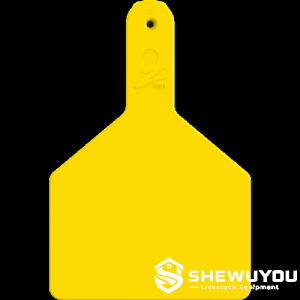
Button, visual, flag or large-format design; customizable |
| Color |
Yellow or customized color |
| Marking |
Serial number, barcode, QR code, logo or custom identification |
| Read Range |
According to selected frequency, reader, antenna and farm environment |
| Protection |
Water-resistant and outdoor-use configurations available |
| Customization |
Customizable according to project requirements |
Exact dimensions, chip model, memory, operating temperature, protection rating and reading distance depend on the selected tag configuration and target livestock identification system.
|
| Applications |
- Cattle Identification: Individual electronic identification for dairy and beef cattle.
- Herd Management: Connect animal IDs with feeding, breeding, health and production records.
- Breeding Management: Link individual animals with breeding history, parentage and reproductive records.
- Livestock Traceability: Support animal movement and identification records across the production chain.
- Animal Health Management: Associate vaccination, treatment and veterinary records with individual animals.
- Herd Inventory: Support faster animal counting, grouping and identification.
- Gate and Handling Systems: UHF configurations can be integrated into suitable automated identification points.
- Digital Farm Management: Connect RFID identification with compatible livestock software and data platforms.
|
| Customization Options |
- RFID Frequency: LF or UHF according to the existing reader and farm management system.
- Chip Selection: Available according to identification protocol and project requirements.
- Tag Size and Shape: Customizable according to animal type and application.
- Color: Standard yellow or customized colors for herd grouping and farm identification.
- Visible Marking: Serial numbers, management codes, barcodes, QR codes and logos available upon request.
- Data Encoding: RFID IDs can be pre-encoded or matched with customer databases according to project requirements.
- Packaging: Bulk packaging, matched sets and customized export packaging available upon request.
- OEM Service: Available for distributors, livestock equipment integrators and large agricultural projects.
|
| Installation & Maintenance |
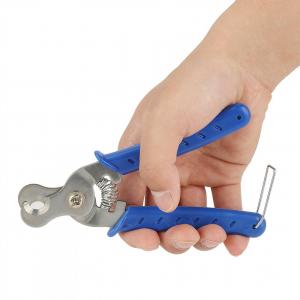
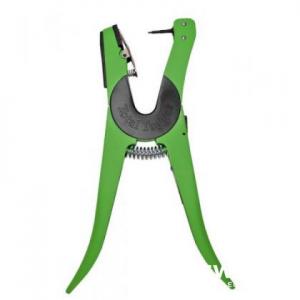
Installation: Apply the ear tag using a compatible livestock ear tag applicator. The tag should be positioned in the appropriate area of the animal's ear according to local veterinary practice and tag manufacturer's instructions.
Animal Handling: Use suitable cattle restraint equipment, such as a handling chute or head gate, when applying tags to adult cattle.
Identification Records: Match the visible number with the RFID electronic ID during installation to maintain accurate herd records.
Reader Setup: For UHF systems, reader and antenna placement should be tested at the actual cattle handling point before full-scale deployment.
Maintenance: RFID ear tags normally require no battery replacement when passive RFID technology is used. Inspect tag retention and readability during routine herd handling and replace damaged tags according to farm procedures.
|
| Product FAQ |
Q1: What is an RFID livestock ear tag?
It is an electronic animal identification tag containing an RFID component that can be read by a compatible livestock RFID reader.
Q2: Which RFID frequency should be selected?
The choice depends on the existing reader, required reading distance, identification protocol and farm application. LF is commonly selected for individual animal EID, while UHF can be suitable for longer-range or automated reading applications.
Q3: Can the RFID number match the visible ear tag number?
Yes. Electronic IDs can be pre-encoded and matched with visible serial numbers or management codes according to project requirements.
Q4: Can the ear tags be customized?
Yes. Color, tag format, chip selection, visible numbering, barcode, QR code, logo, encoding and packaging can be customized according to the project.
Q5: Are RFID ear tags suitable for commercial cattle farms?
Yes. They can support identification, herd inventory, breeding management, animal health records and livestock traceability in commercial dairy and beef operations.
Q6: Do passive RFID ear tags require a battery?
Passive RFID tags generally operate using energy supplied by the RFID reader, so they do not require an internal battery. The exact technology depends on the selected RFID configuration.
|
| Product Gallery |
|









Comments & Inquiries
Leave your questions or requirements below. We will reply as soon as possible.