



| Product Name | African Swine Fever Rapid Test Kit | ||||||||||||||||||||||||||||||||
| Product Image |  |
||||||||||||||||||||||||||||||||
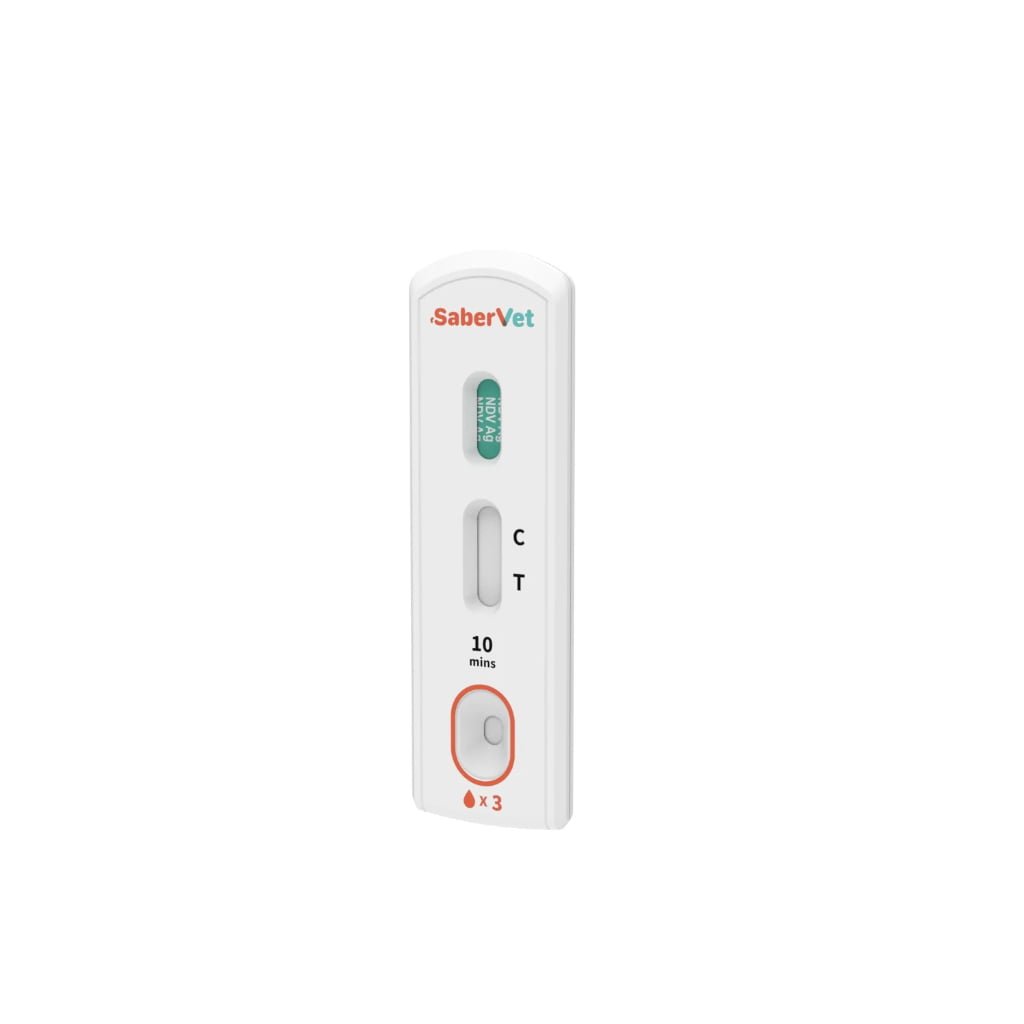
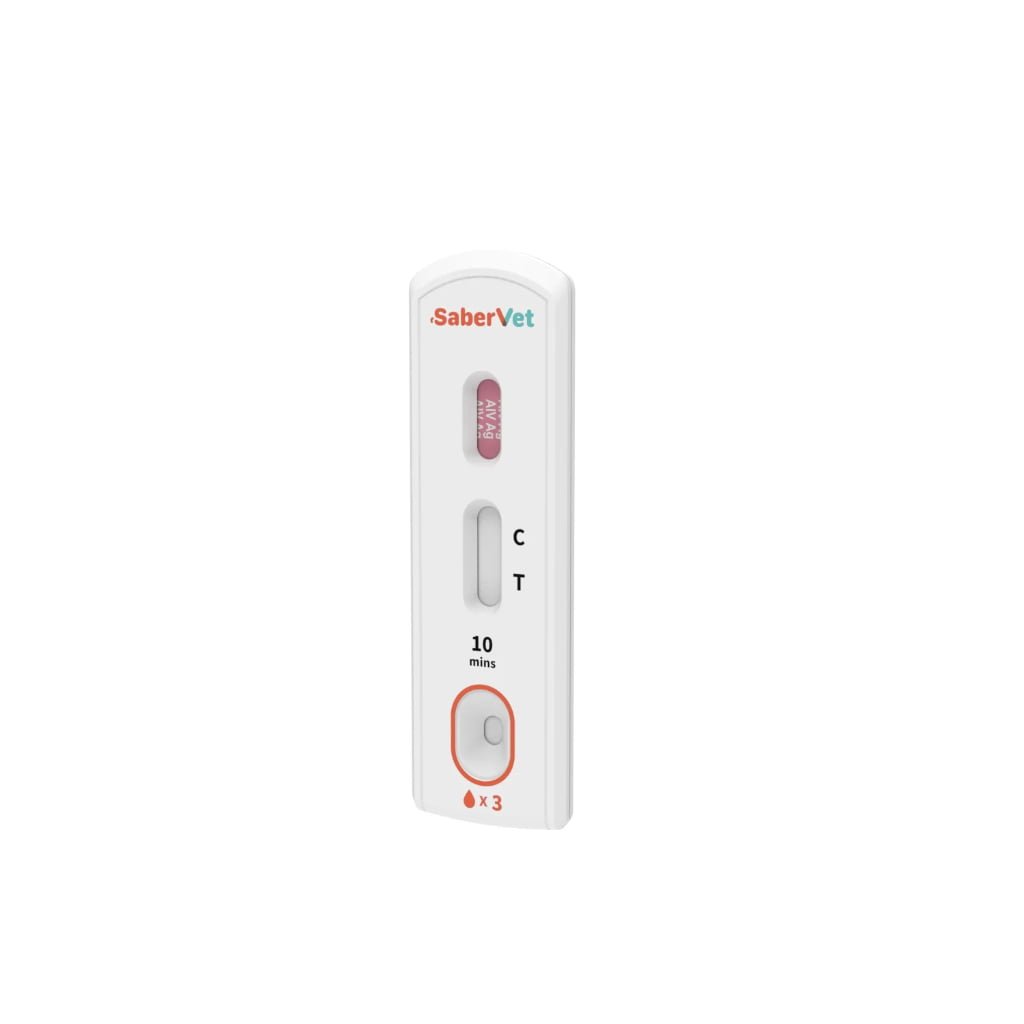
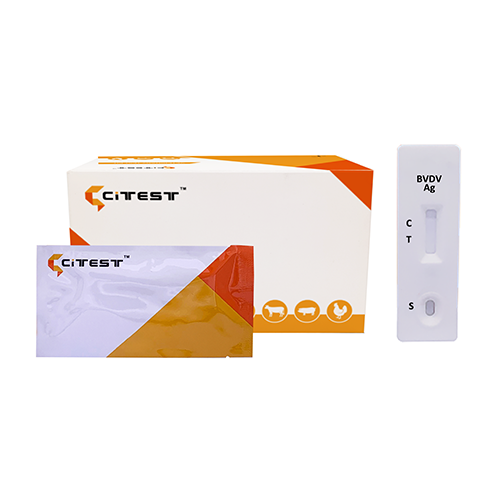
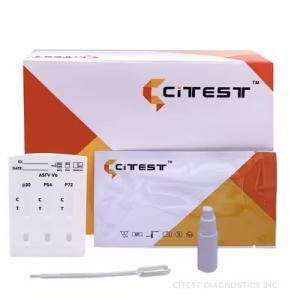
| Product Overview | The African Swine Fever Rapid Test Kit is a portable veterinary diagnostic solution designed for rapid screening of African Swine Fever Virus (ASFV) in swine. Its compact cassette format is suitable for veterinary clinics, commercial pig farms, livestock production facilities, farm biosecurity teams and field disease-surveillance activities. The reference product category uses a lateral-flow immunochromatographic format for qualitative detection of ASFV antigen. Commercial veterinary configurations are available for specimens such as whole blood, serum, plasma and, depending on the validated product design, tissue samples. ([advacarepharma.com](https://www.advacarepharma.com/en/veterinary/african-swine-fever-test-kit?utm_source=chatgpt.com)) The cassette integrates the test membrane, sample application area and visual result window into a single disposable device. This structure eliminates the need for a dedicated analyzer during the rapid screening procedure and is particularly convenient when testing resources are limited at the farm or field level. ASF is a highly contagious viral disease affecting domestic and wild pigs. WOAH notes that laboratory testing is essential for ASF diagnosis and surveillance, while point-of-care tests can support timely field-level response. Rapid tests should be used within an appropriate veterinary diagnostic and biosecurity program and positive or suspect findings should be followed by laboratory confirmation according to applicable requirements. ([woah.org](https://www.woah.org/en/disease/african-swine-fever/?utm_source=chatgpt.com)) |
||||||||||||||||||||||||||||||||
| Key Features |
|
||||||||||||||||||||||||||||||||
| Structural Components | A typical African Swine Fever rapid antigen test kit consists of the following components:
|
||||||||||||||||||||||||||||||||
| Working Principle / Structural Principle | The rapid test is based on a lateral-flow immunochromatographic assay. A prepared swine specimen is applied to the sample well of the cassette. The sample migrates along the test membrane through the reagent area by capillary action. If ASFV antigen corresponding to the test system is present, it reacts with specific immunological reagents incorporated into the test device. The resulting complexes migrate along the membrane and produce a visible test-line response in the designated detection area. An internal control line indicates that the test has functioned correctly according to the supplied instructions. Commercial ASFV antigen rapid tests are described as sandwich immunochromatographic or chromatographic immunoassays. Typical products provide qualitative rather than quantitative results. ([advacarepharma.com](https://www.advacarepharma.com/en/veterinary/african-swine-fever-test-kit?utm_source=chatgpt.com)) The exact sample volume, buffer volume, reaction time and interpretation criteria must follow the instructions supplied with the selected kit. These details can vary between manufacturers and product configurations. A rapid field result should not be treated as a stand-alone confirmation of ASF. WOAH recommends appropriate laboratory testing and stresses the importance of validated diagnostic procedures within ASF surveillance programs. ([woah.org](https://www.woah.org/en/document/oie-asf-reference-laboratory-networks-overview-of-african-swine-fever-diagnostic-tests-for-field-application/?utm_source=chatgpt.com)) |
||||||||||||||||||||||||||||||||
| Technical Specifications |
Technical values such as specimen type, reading time, storage temperature, pack size and shelf life vary between validated ASFV rapid-test products. The figures above are presented conservatively based on professional veterinary rapid-test references rather than as universal specifications. ([advacarepharma.com](https://www.advacarepharma.com/en/veterinary/african-swine-fever-test-kit?utm_source=chatgpt.com)) |
||||||||||||||||||||||||||||||||
| Applications |
|
||||||||||||||||||||||||||||||||
| Customization Options |
|
||||||||||||||||||||||||||||||||
| Installation & Maintenance | The rapid test requires no permanent installation. It is designed for controlled field or veterinary use and should be operated by personnel trained in animal sampling, diagnostic procedures and farm biosecurity. Before testing, check the product label, lot information, expiry date and storage condition. Allow the test components to reach the operating temperature specified in the product instructions when required. Collect the appropriate specimen using an approved veterinary sampling procedure. Sample type and collection site should follow the selected kit's instructions and applicable veterinary protocols. Open the sealed cassette only when ready to perform the test. Apply the specified sample and assay buffer volumes to the designated sample well. Do not exceed the specified reaction period or interpret results outside the manufacturer's stated reading window. A valid control line is required for interpretation. A test-line response should be handled according to the supplied instructions and the farm's disease-response protocol. Suspect or positive findings should trigger the applicable veterinary notification, isolation, sampling and confirmatory-testing procedures rather than being used as the sole basis for a herd-level diagnosis. WOAH states that point-of-care ASF tests should operate within a quality-assurance framework and that positive or suspect field findings should be supported by laboratory testing. ([woah.org](https://www.woah.org/en/document/oie-asf-reference-laboratory-networks-overview-of-african-swine-fever-diagnostic-tests-for-field-application/?utm_source=chatgpt.com)) Store unused kits in the specified temperature range, protected from moisture, excessive heat, freezing and direct sunlight. Keep test devices sealed until use and dispose of used cassettes, sampling materials and other potentially contaminated waste according to local veterinary and biosecurity requirements. |
||||||||||||||||||||||||||||||||
| Project Cases |
Commercial Pig Farm: A farm veterinary team can incorporate rapid ASFV screening into an established disease-surveillance program for pigs showing compatible clinical signs or other defined risk indicators. New Pig Farm Construction: The test kit can be included in the veterinary and biosecurity equipment package when commissioning a new commercial livestock facility. Multi-Site Swine Group: Standardized test-kit quantities can be distributed across breeding, nursery and finishing farms to support consistent field-screening procedures. Veterinary Service Project: Mobile veterinary teams can carry compact test kits between farms where point-of-care screening is part of an authorized surveillance workflow. Farm Biosecurity Program: Rapid screening supplies can be combined with sampling equipment, PPE, disinfection procedures and laboratory confirmation protocols as part of a broader ASF biosecurity system. Distributor Supply Program: OEM packaging, test quantities and documentation can be configured for regional veterinary distributors and livestock-industry procurement projects. |
||||||||||||||||||||||||||||||||
| Product FAQ |
Q: What does the African Swine Fever Rapid Test Kit detect? Q: What is the target animal? Q: What sample types can be tested? Q: What test method is used? Q: How quickly can results be obtained? Q: Does the test require a laboratory analyzer? Q: Can it be used directly on a commercial pig farm? Q: Can a rapid test confirm African Swine Fever by itself? Q: How should the kit be stored? Q: Can the packaging quantity be customized? Q: Can OEM or private-label supply be provided? |
||||||||||||||||||||||||||||||||
| Product Gallery |
 |
- Home
-
Products
- Pig Farming Equipment
- Cattle Farming Equipment
- Sheep & Goat Farming Equipment
- Poultry Farming Equipment
- Feeding & Drinking Systems
- Veterinary & Breeding Equipment
- Testing & Diagnostic Equipment
- Cleaning & Biosecurity Equipment
- Climate Control Equipment
- Livestock Weighing Equipment
- Manure & Waste Management
- Farm Transport & Handling
-
Solutions
- Pig Farm Solutions
- Dairy Farm Solutions
- Beef Cattle Farm Solutions
- Sheep & Goat Farm Solutions
- Layer Farm Solutions
- Broiler Farm Solutions
- Feeding & Drinking System Solutions
- Climate Control Solutions
- Biosecurity & Disinfection Solutions
- Manure & Waste Management
- Smart Farming Solutions
- Farm Renovation and Upgrade Solutions
- Partners
- Projects
- Resources
- News
- About Us
- Contact

Comments & Inquiries
Leave your questions or requirements below. We will reply as soon as possible.