

Product ShowcaseAnimal Carcass Rendering Plant Integrated equipment for controlled processing of animal carcasses and suitable animal by-products. Typical process Receiving → size reduction → cooking and drying → fat separation → meal finishing Configuration Batch or continuous equipment arrangements according to project requirements. |
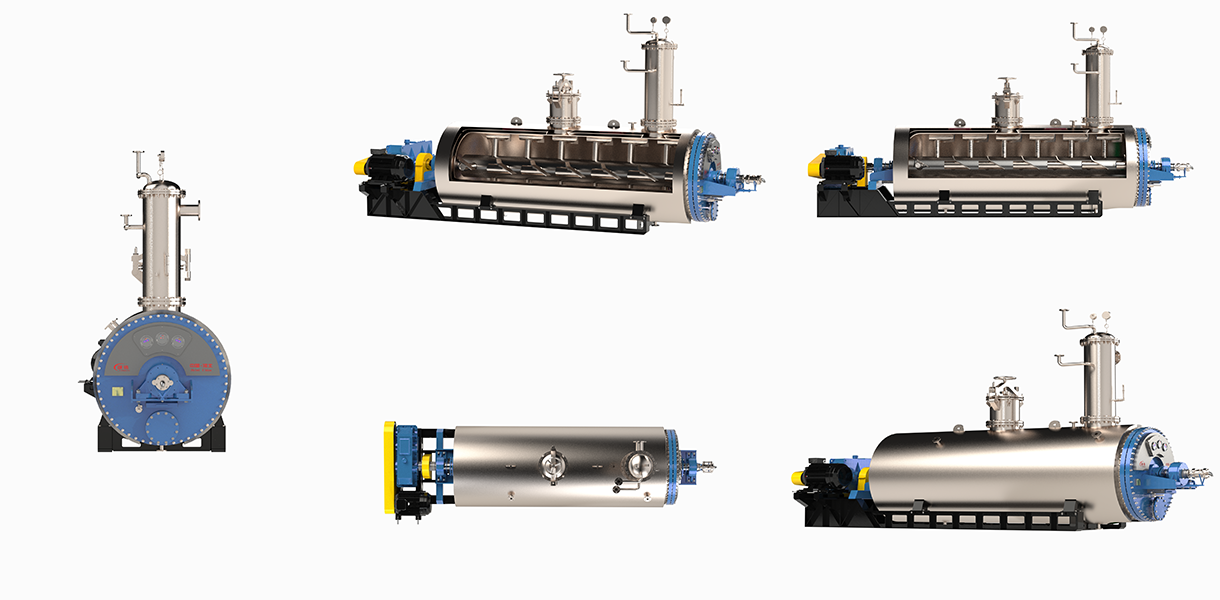
Animal Carcass Rendering PlantProduct Image
Product OverviewThe Animal Carcass Rendering Plant combines material receiving, size reduction, thermal processing, fat separation, and meal handling in a coordinated production line. It can be planned for commercial pig farms, livestock groups, slaughter facilities, and centralized animal by-product processing projects. Equipment selection, building layout, utilities, and environmental controls are designed around the incoming material and the project's operating requirements. Key Features
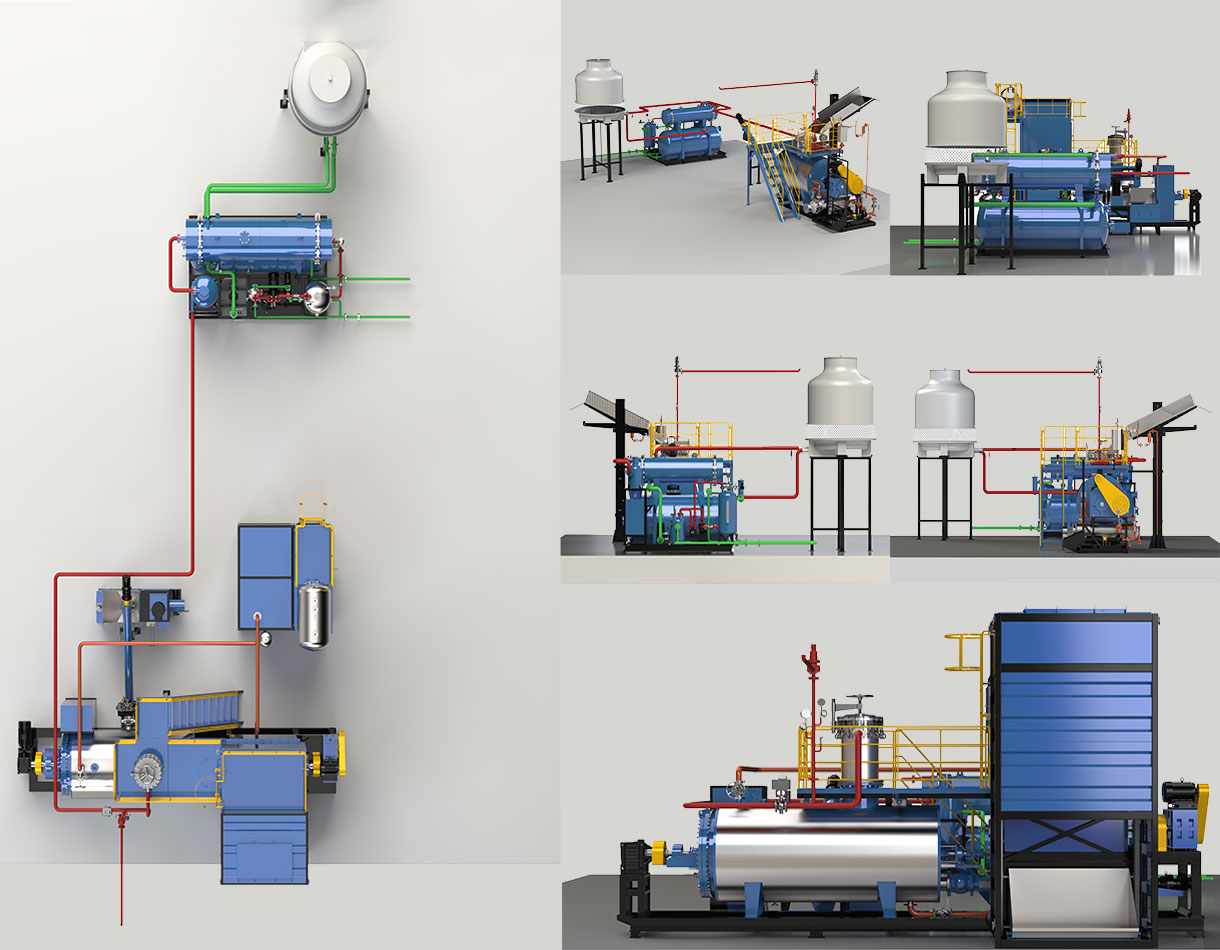
Structural ComponentsA typical configuration includes a receiving hopper or bin, pre-breaker, enclosed conveyors, batch or continuous cooker and dryer, discharge buffer, fat press, meal cooler, mill, and collection or packing equipment. Condensers, ductwork, odor treatment, electrical controls, and process piping are specified to suit the installation. Individual modules can be included or omitted according to the process design. Working PrincipleIncoming material is received and reduced to a size suitable for controlled feeding. The cooker heats the material and removes moisture under a validated operating procedure. The cooked product passes to downstream equipment, where recoverable fat is separated and the remaining solids are cooled and milled as required. Process vapor is collected for condensation and further exhaust treatment. Operating conditions and the permitted use or disposal of outputs must follow the applicable local requirements for the specific feedstock. Technical Specifications
ApplicationsSuitable for planned carcass and animal by-product treatment facilities serving commercial pig farms, integrated livestock operations, slaughterhouses, and regional collection networks. Feedstock acceptance, biosecurity procedures, processing conditions, and output routes should be established for each project before equipment selection. Customization OptionsOptions include receiving and storage arrangements, cooker type, conveying route, fat separation equipment, meal finishing equipment, control level, vapor collection, odor treatment, and utility connections. The line can be coordinated with a new steel structure building or adapted to an existing processing space after a site review. Installation & MaintenanceInstallation planning covers equipment foundations, lifting access, drainage, ventilation, steam or other heating utilities, electrical supply, and separation of incoming material from finished-product areas. Modular equipment placement can simplify on-site assembly where access permits. Routine maintenance includes checking drives, seals, bearings, conveyor components, cooker surfaces, press wear parts, and condensate and exhaust lines. Product FAQCan the plant be configured for a commercial pig farm? Is one cooker suitable for every type of animal by-product? Can rendered outputs be used as feed ingredients? Product Gallery
|
- Home
-
Products
- Pig Farming Equipment
- Cattle Farming Equipment
- Sheep & Goat Farming Equipment
- Poultry Farming Equipment
- Feeding & Drinking Systems
- Veterinary & Breeding Equipment
- Testing & Diagnostic Equipment
- Cleaning & Biosecurity Equipment
- Climate Control Equipment
- Livestock Weighing Equipment
- Manure & Waste Management
- Farm Transport & Handling
-
Solutions
- Pig Farm Solutions
- Dairy Farm Solutions
- Beef Cattle Farm Solutions
- Sheep & Goat Farm Solutions
- Layer Farm Solutions
- Broiler Farm Solutions
- Feeding & Drinking System Solutions
- Climate Control Solutions
- Biosecurity & Disinfection Solutions
- Manure & Waste Management
- Smart Farming Solutions
- Farm Renovation and Upgrade Solutions
- Partners
- Projects
- Resources
- News
- About Us
- Contact


Comments & Inquiries
Leave your questions or requirements below. We will reply as soon as possible.