


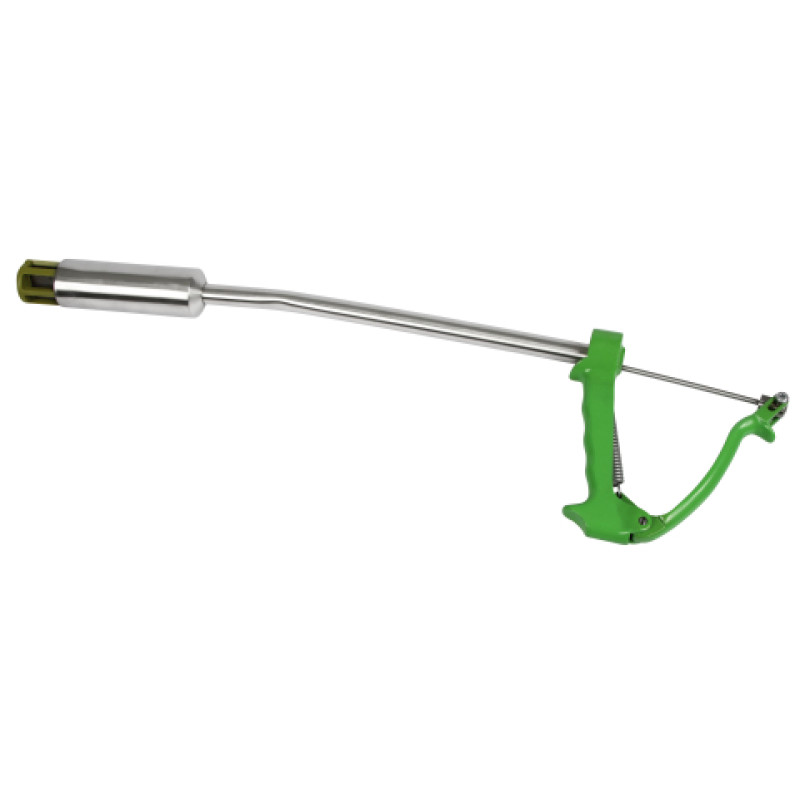
| Product Name | Lamb Stomach Tube Feeder |
| Product Image | 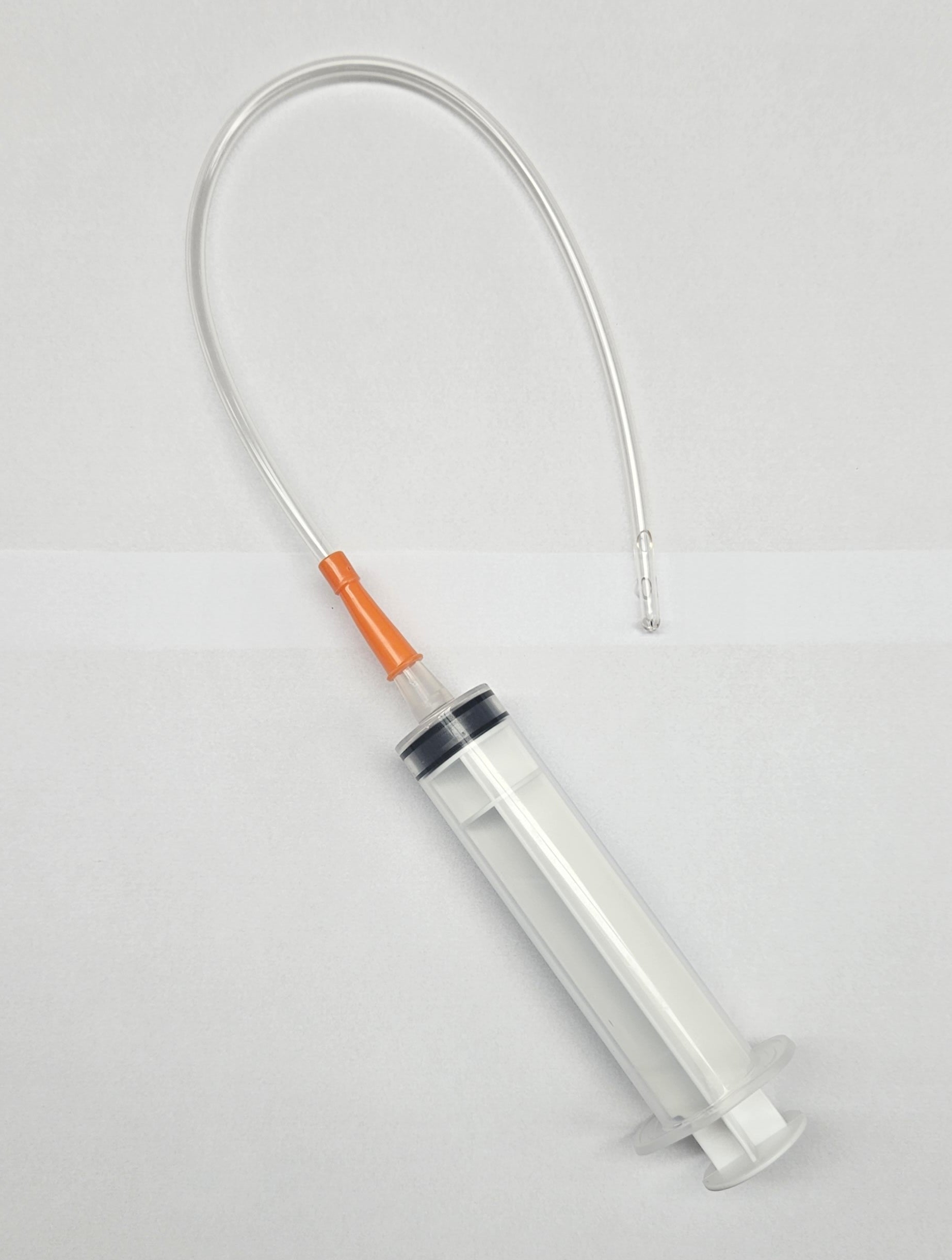 |
| Product Overview | The Lamb Stomach Tube Feeder is a veterinary livestock care tool designed for controlled delivery of colostrum, milk, electrolyte solution, or other appropriate nutritional fluids directly into the stomach of lambs that are unable to suck effectively. It is particularly useful during lambing season for weak, chilled, orphaned, low-birth-weight, or slow-starting lambs when rapid nutritional support is required. The feeder typically combines a flexible feeding tube with a compatible syringe or fluid-delivery container, providing a simple and portable solution for goat-farming-equipment/" target="_blank" class="keylink">sheep farms, breeding operations, veterinary clinics, and livestock project suppliers. |
| Key Features |
|
| Structural Components |
|
| Working Principle / Structural Principle | The feeder works by passing a flexible tube through the lamb's mouth and esophagus into the stomach. Once correct placement has been confirmed by a trained operator, the required feeding liquid can be delivered gradually through the connected syringe or feeding container. Correct positioning is essential because accidental placement into the respiratory tract can cause serious injury. The feeder should therefore be used only by trained livestock personnel or under veterinary guidance. |
| Technical Specifications |
Product Type: Lamb stomach tube feeding device Target Animal: Lambs and young small ruminants Tube Material: Flexible polymer or rubber configuration available upon request Tube Length: According to project requirements Tube Diameter: Available upon request Feeding Syringe Capacity: According to project requirements Connection Type: Compatible syringe or feeding-container connector Packaging: Individual or bulk packaging available upon request |
| Applications |
|
| Customization Options |
|
| Installation & Maintenance | No fixed installation is required. Before use, inspect the tube for cracks, hardening, deformation, blockage, or damaged connectors. Correct tube placement must be confirmed before any liquid is administered. Feed should be delivered gradually rather than forced rapidly through the tube. After use, wash the tube and syringe thoroughly, disinfect them according to livestock hygiene procedures, rinse as required, and allow all components to dry completely before storage. Separate or properly disinfected feeding tubes should be used when working with sick animals to reduce cross-contamination. Damaged, excessively stiff, or contaminated components should be replaced. |
| Product FAQ |
Q: What is a Lamb Stomach Tube Feeder used for? Q: Can the feeder be used for newborn lambs? Q: Can the tube size be customized? Q: Is the feeder reusable? Q: Does stomach tube feeding require training? |
| Product Gallery | 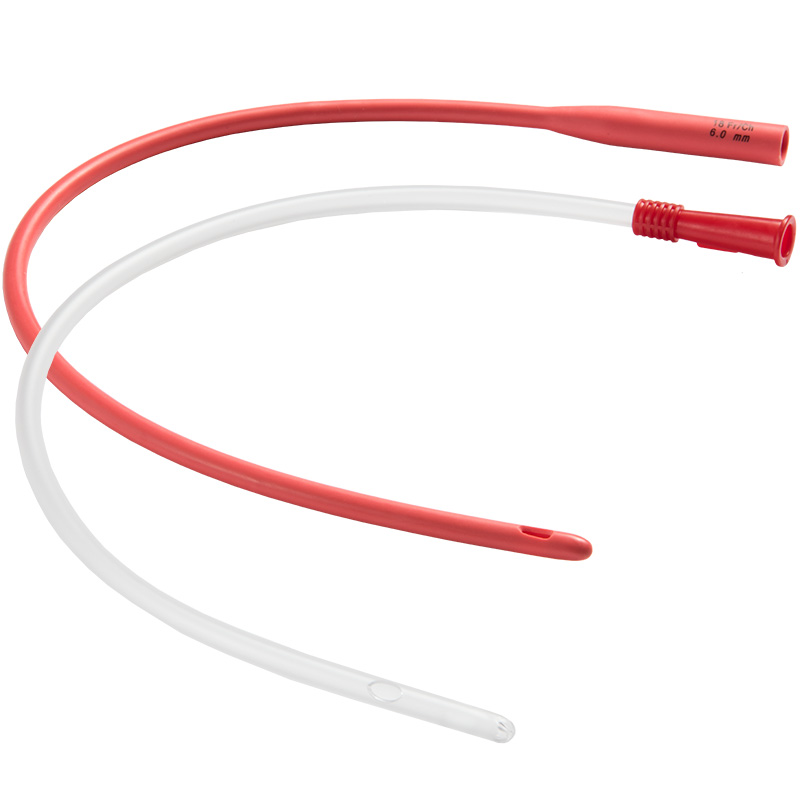 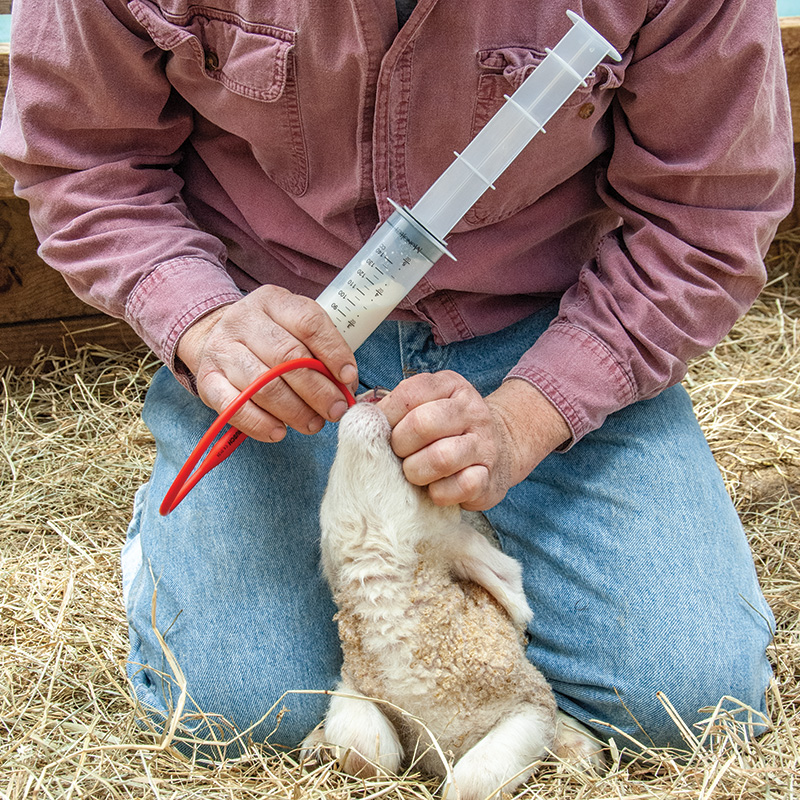 |
- Home
-
Products
- Pig Farming Equipment
- Cattle Farming Equipment
- Sheep & Goat Farming Equipment
- Poultry Farming Equipment
- Feeding & Drinking Systems
- Veterinary & Breeding Equipment
- Testing & Diagnostic Equipment
- Cleaning & Biosecurity Equipment
- Climate Control Equipment
- Livestock Weighing Equipment
- Manure & Waste Management
- Farm Transport & Handling
-
Solutions
- Pig Farm Solutions
- Dairy Farm Solutions
- Beef Cattle Farm Solutions
- Sheep & Goat Farm Solutions
- Layer Farm Solutions
- Broiler Farm Solutions
- Feeding & Drinking System Solutions
- Climate Control Solutions
- Biosecurity & Disinfection Solutions
- Manure & Waste Management
- Smart Farming Solutions
- Farm Renovation and Upgrade Solutions
- Partners
- Projects
- Resources
- News
- About Us
- Contact


Comments & Inquiries
Leave your questions or requirements below. We will reply as soon as possible.