


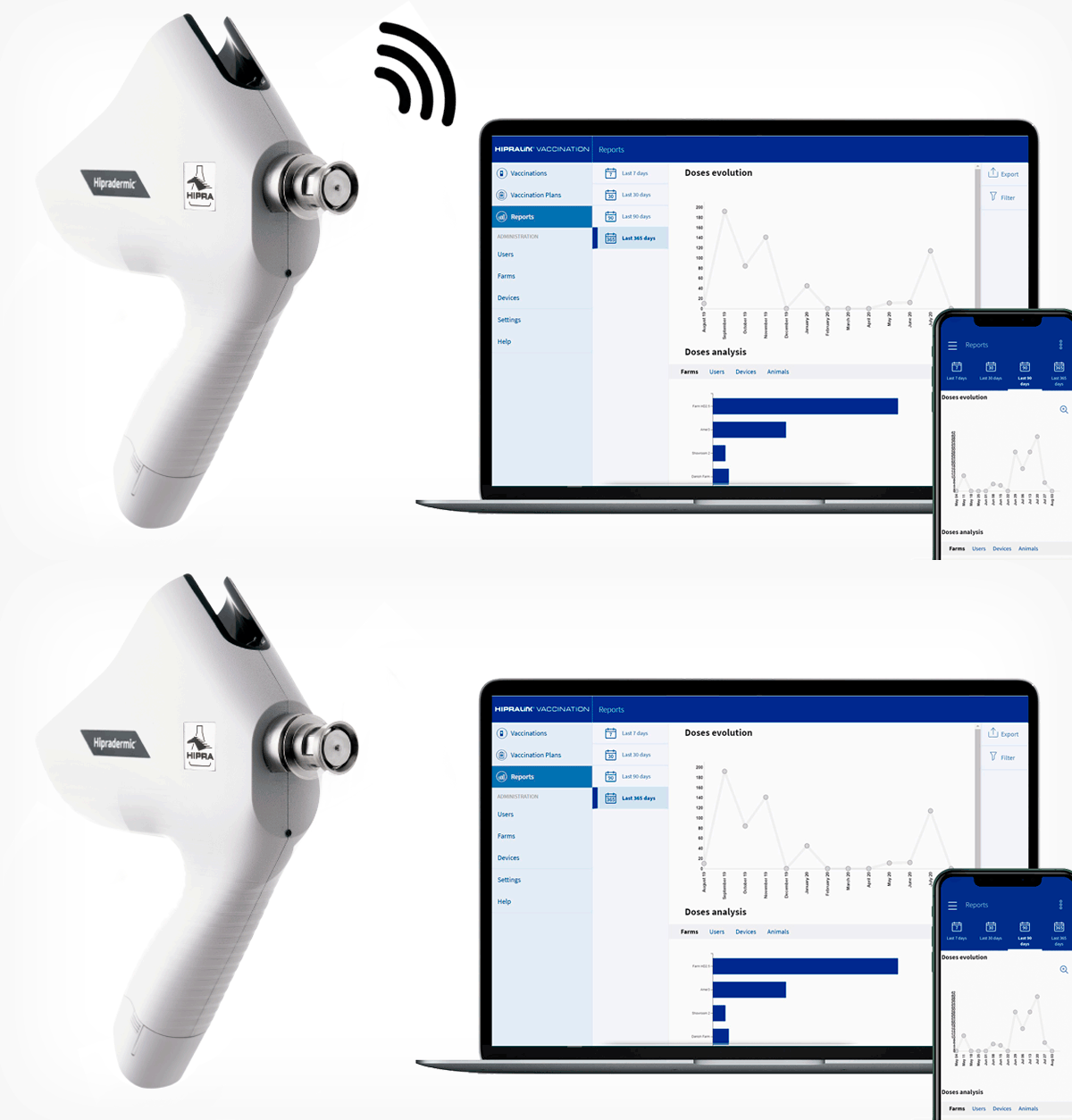


| Product Name | Battery-Powered Mobile Needle-Free Livestock Injector | ||||||||||||||||||||
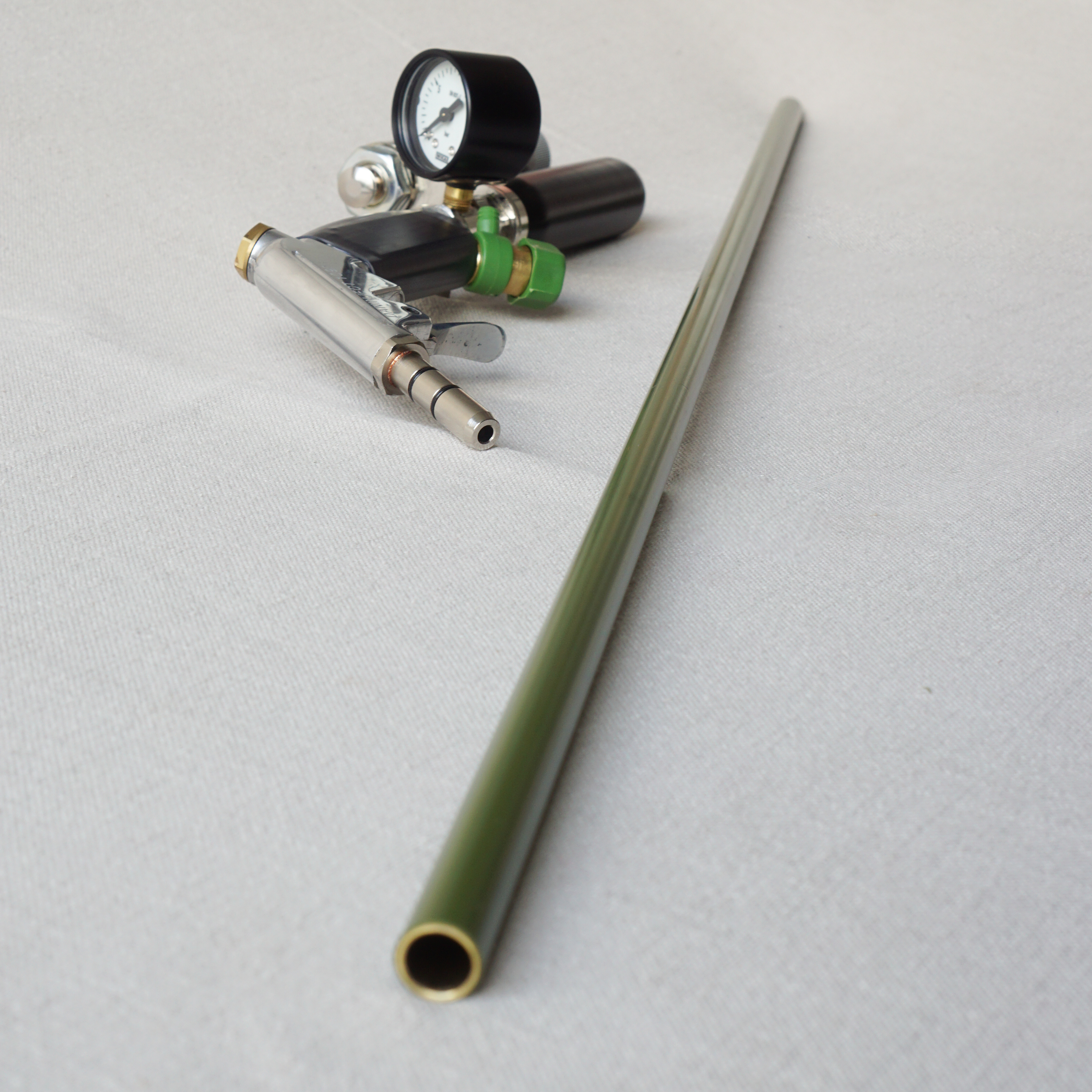
| Product Image |  |
||||||||||||||||||||
| Product Overview |
The Battery-Powered Mobile Needle-Free Livestock Injector is a portable injection device designed for efficient administration of vaccines and approved veterinary products without conventional hypodermic needles. Its self-contained battery-powered design eliminates the need for electrical cords, compressed air or CO2 during normal operation. The mobile configuration is particularly suitable for commercial swine production, allowing operators to move freely through farrowing, nursery, grower and finishing areas. A remote handpiece and carrying arrangement can help improve access to animals while reducing the handling burden associated with fixed injection equipment. The system is intended for professional livestock health management and can support both routine herd vaccination programs and other approved animal-health injection applications, subject to veterinary direction and product-label requirements. |
||||||||||||||||||||
| Key Features |
The referenced AcuShot Gen 2 Mobile configuration provides adjustable doses from 0.2 ml to 2.5 ml in 0.1 ml increments and can deliver up to 1,000 inoculations per battery charge depending on dose and power-cylinder selection. ([acushot.ca](https://www.acushot.ca/product/acushot-gen-2-mobile/)) |
||||||||||||||||||||
| Structural Components |
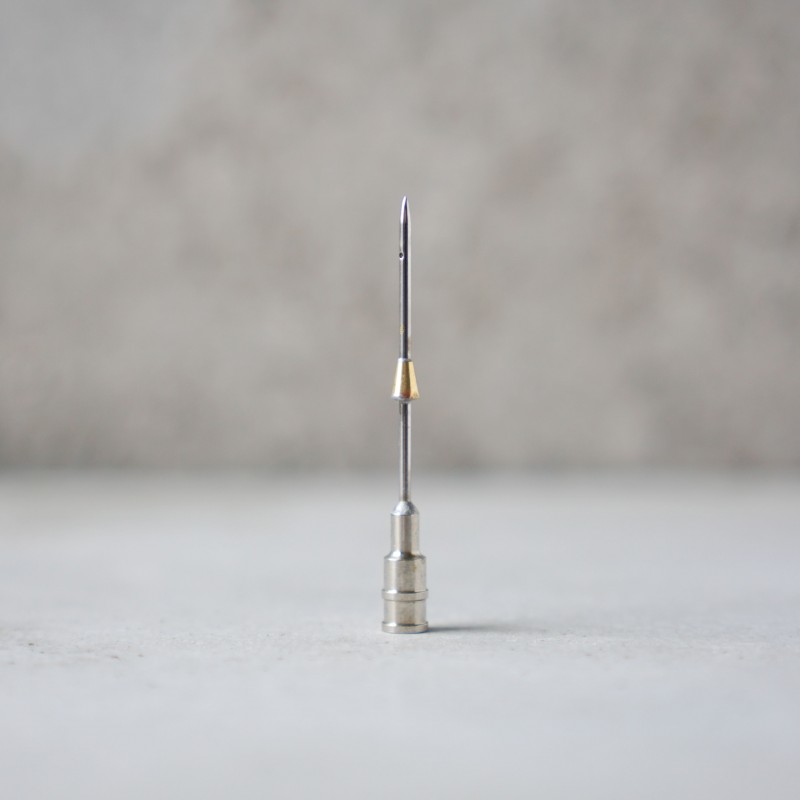
A typical mobile needle-free injector system may consist of:
Component configuration may vary according to injector model, animal category, dose range and vaccine supply method. Spare batteries, chargers, tubing, seals and injection components can be supplied according to project requirements. |
||||||||||||||||||||
| Working Principle / Structural Principle |
Unlike conventional syringe injection, a needle-free injector uses a high-pressure liquid jet to deliver the selected product through the skin. The liquid is accelerated through a precision orifice, creating a narrow high-velocity stream that penetrates the target tissue without a hypodermic needle. In a battery-powered configuration, rechargeable battery energy drives the internal motorized mechanism. The mechanism prepares the power cylinder for each injection, while the selected power setting and dose determine the operating parameters of the injection cycle. The operator positions the injection head correctly against the designated injection site and activates the cycle. Electronic monitoring may detect operating abnormalities and provide visual or audible feedback, depending on the equipment configuration. |
||||||||||||||||||||
| Technical Specifications |
The specifications above are based on the referenced AcuShot Gen 2 Mobile system. Actual parameters depend on the selected model, power cylinder, vaccine or veterinary product and application. Detailed specifications are available upon request. ([acushot.ca](https://www.acushot.ca/product/acushot-gen-2-mobile/)) |
||||||||||||||||||||
| Applications |
The mobile configuration is particularly useful where operators need to move between pens and animal groups during high-volume vaccination work. Product use, injection site and dose must always follow the veterinary product label and professional veterinary instructions. |
||||||||||||||||||||
| Customization Options |
The mobile injector configuration can be adapted for different livestock production systems, distributor requirements and commercial farm applications.
|
||||||||||||||||||||
| Installation & Maintenance |
No permanent installation is required for the mobile configuration. Before operation, the battery should be charged, the appropriate power cylinder selected, the liquid supply connected and the injector prepared according to the equipment instructions. The injection head should be kept clean and inspected regularly. Liquid-contact components, tubing, seals and the injection nozzle should be checked for wear, blockage or leakage. The injector should be cleaned and disinfected according to the manufacturer's instructions and the compatibility requirements of the veterinary product being administered. Battery charging and storage should follow the manufacturer's recommendations. Spare batteries can be used to maintain workflow continuity during large vaccination programs. Correct operator training is essential. Injection technique, dose, product handling and animal injection sites must follow the veterinary product label, farm biosecurity procedures and applicable local regulations. |
||||||||||||||||||||
| Project Cases |
The Battery-Powered Mobile Needle-Free Livestock Injector can be included in commercial pig farm equipment packages, veterinary service programs and livestock health management projects. For large pig farm construction projects, the system can be incorporated alongside farrowing equipment, nursery systems, feeding equipment, ventilation systems, environmental control equipment and farm biosecurity infrastructure. For integrated livestock groups and distributors, multiple injector units, spare batteries, power cylinders and maintenance kits can be configured according to herd size, vaccination workload and service requirements. |
||||||||||||||||||||
| Product FAQ |
Q: What is a needle-free livestock injector? Q: What animals can the mobile injector be used for? Q: Does the mobile system require compressed air or CO2? Q: How much can the injection dose be adjusted? Q: How many injections can one battery provide? Q: Can the injector improve farm biosecurity? Q: Is operator training required? |
||||||||||||||||||||
| Product Gallery |    |
- Home
-
Products
- Pig Farming Equipment
- Cattle Farming Equipment
- Sheep & Goat Farming Equipment
- Poultry Farming Equipment
- Feeding & Drinking Systems
- Veterinary & Breeding Equipment
- Testing & Diagnostic Equipment
- Cleaning & Biosecurity Equipment
- Climate Control Equipment
- Livestock Weighing Equipment
- Manure & Waste Management
- Farm Transport & Handling
-
Solutions
- Pig Farm Solutions
- Dairy Farm Solutions
- Beef Cattle Farm Solutions
- Sheep & Goat Farm Solutions
- Layer Farm Solutions
- Broiler Farm Solutions
- Feeding & Drinking System Solutions
- Climate Control Solutions
- Biosecurity & Disinfection Solutions
- Manure & Waste Management
- Smart Farming Solutions
- Farm Renovation and Upgrade Solutions
- Partners
- Projects
- Resources
- News
- About Us
- Contact


Comments & Inquiries
Leave your questions or requirements below. We will reply as soon as possible.