
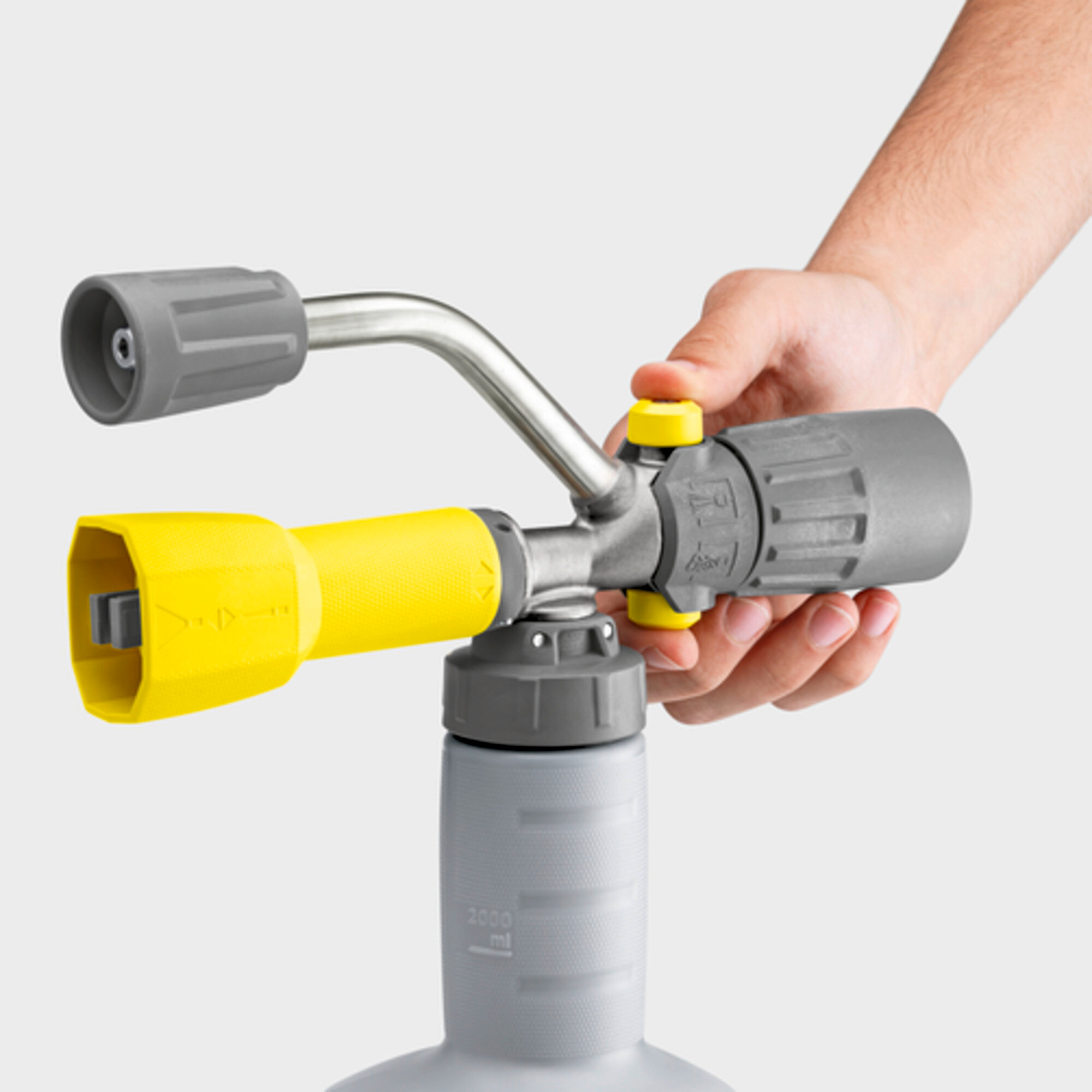
| Product Name | Stationary Foam Cleaning System | ||||||||||||||||||||||||||||||||
| Product Image |  |
||||||||||||||||||||||||||||||||
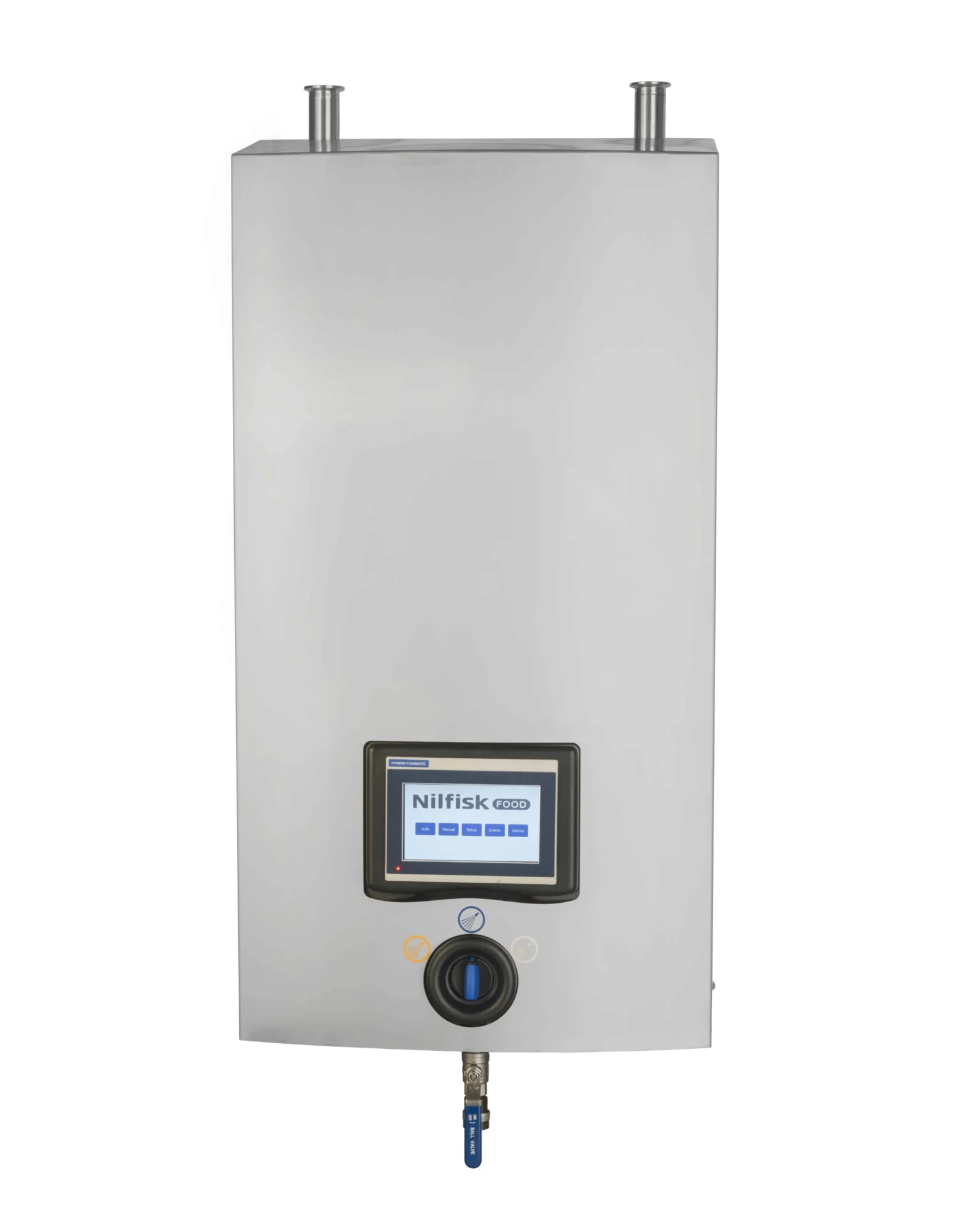
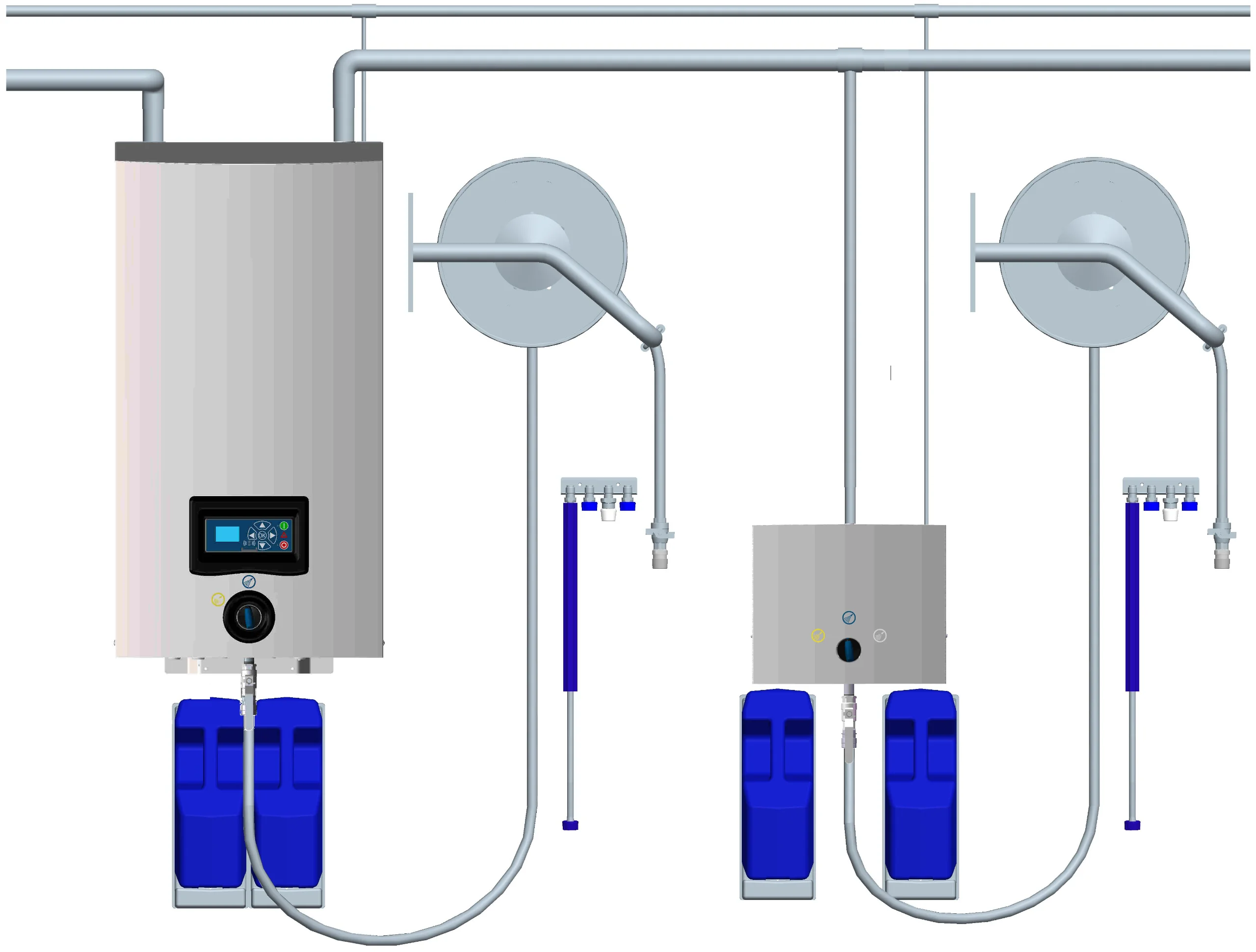
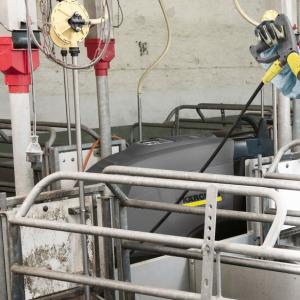
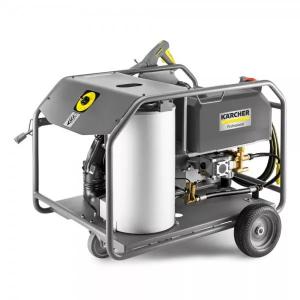
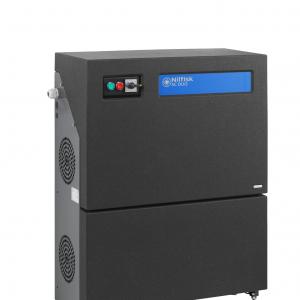
| Product Overview | The Stationary Foam Cleaning System is a fixed cleaning solution designed for commercial livestock farms, agricultural facilities and other sites requiring repeatable foam application and wash-down operations. The system is designed around a permanently installed cleaning station connected to the site's water supply, detergent system and cleaning distribution network. Foam is generated by mixing water, cleaning chemical and air, then delivered through a suitable hose, gun, lance or spray outlet. Compared with moving a standalone cleaning machine between different buildings, a stationary arrangement provides dedicated cleaning points and organized utility connections. It is particularly suitable for large pig farms, poultry operations, cattle facilities and agricultural projects where cleaning zones are planned as part of the building engineering. The system can be incorporated into new livestock construction, steel structure farm buildings and renovation projects. Equipment layout, pipe routing, water supply, drainage, chemical storage and operator access can be coordinated during the engineering stage. |
||||||||||||||||||||||||||||||||
| Key Features |
|
||||||||||||||||||||||||||||||||
| Structural Components |
|
||||||||||||||||||||||||||||||||
| Working Principle / Structural Principle | The Stationary Foam Cleaning System uses a fixed water and chemical distribution arrangement to deliver cleaning foam to designated work areas. Water enters the main cleaning station through the supply pipe. The detergent is introduced through the chemical dosing or injection circuit, while compressed air is supplied where required by the selected foam technology. The water, detergent and air are mixed within the foam generation assembly to produce a stable cleaning foam. The foam is then delivered through the outlet network to a hose, spray gun, lance, satellite station or other designated application point. During a typical cleaning cycle, loose contamination is removed first. Foam is applied to suitable surfaces and allowed to remain for the contact time specified by the chemical manufacturer. The area is then rinsed with the selected water pressure and flow. For large commercial farms, the fixed station can supply multiple cleaning points through a properly designed pipework network. Pipe diameter, routing and pressure loss should be calculated according to the final system capacity and simultaneous user requirements. The cleaning sequence should be adapted to the livestock facility's hygiene program, surface materials, detergent selection, water quality and local operating conditions. |
||||||||||||||||||||||||||||||||
| Technical Specifications |
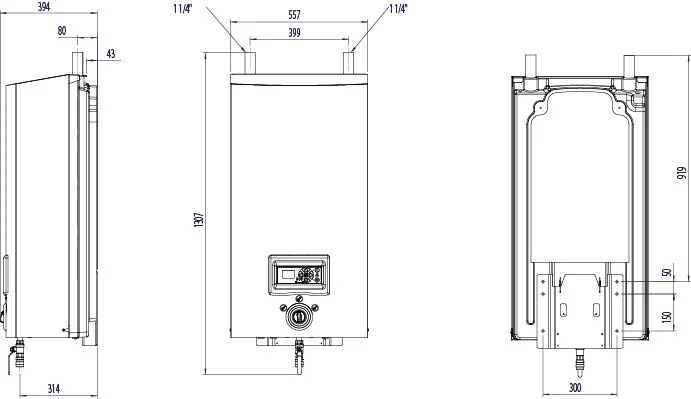
Exact pressure, flow, power, chemical dosing, pipe diameter, dimensions and other parameters are determined after reviewing the farm layout and utility conditions. Detailed specifications are available upon request. |
||||||||||||||||||||||||||||||||
| Applications |
|
||||||||||||||||||||||||||||||||
| Customization Options | The Stationary Foam Cleaning System can be engineered according to the farm's building arrangement, cleaning process and utility conditions. Customization may include:
|
||||||||||||||||||||||||||||||||
| Installation & Maintenance | The stationary cleaning station should be installed in a suitable frost-protected and accessible location. Depending on the final configuration, it can be mounted on a stable wall or supported by a dedicated frame anchored to the floor. The mounting surface and support structure should be capable of carrying the equipment load and resisting normal operating vibration. Wall mounting should be coordinated with the building structure and local installation requirements. Water, electrical power, compressed air and chemical supply connections should be planned before installation. The water distribution pipework should be sized according to the required flow and expected pressure loss. For large livestock projects, cleaning outlets should be positioned according to the livestock house layout, service corridors and operator working radius. Hose routing should avoid sharp edges, vehicle traffic and unnecessary bending. Before commissioning, flush the water pipework to remove installation debris, check all connections and confirm that the water, chemical and air supplies are correctly connected. Routine maintenance includes inspection of filters, chemical suction lines, injectors, valves, hoses, quick couplings, nozzles and seals. Wear components should be replaced according to operating conditions and service requirements. After changing chemicals or completing a cleaning operation, the chemical inlet line and relevant components should be rinsed with clean water where required by the equipment and chemical manufacturer's instructions. Maintenance access should be reserved around the stationary unit so technicians can inspect and service the pump, dosing system, valves and control components without major disassembly. |
||||||||||||||||||||||||||||||||
| Project Cases | Large Commercial Pig Farm: A stationary cleaning station can be installed in a dedicated service area and connected to multiple cleaning points serving farrowing, nursery and finishing houses. Integrated Swine Production Complex: Centralized water and cleaning distribution can be designed to serve several livestock buildings while maintaining defined cleaning zones. Poultry Farm Project: Fixed foam application points can be arranged around poultry houses and equipment cleaning areas according to the building layout. Cattle and Dairy Facility: The system can be configured for suitable washable surfaces in cattle housing, service areas and equipment wash-down zones. New Steel Structure Farm Building: Pipework, cleaning stations, hose points, drainage and utility connections can be incorporated into the building engineering before construction is completed. Farm Renovation Project: The stationary system can be adapted to existing water supplies, pipe routes and cleaning areas, subject to site inspection and engineering requirements. Multi-Zone Cleaning Project: Additional satellite or outlet stations can be considered when different livestock compartments require dedicated cleaning points. |
||||||||||||||||||||||||||||||||
| Product FAQ |
Q: What is a stationary foam cleaning system? Q: What is the difference between a stationary and mobile foam cleaning system? Q: Is it suitable for commercial pig farms? Q: Can one station serve multiple livestock buildings? Q: Can different detergents be connected? Q: Can the system be integrated into a new pig farm construction project? Q: Can it be installed on a steel structure building? Q: Does the system require compressed air? Q: Can the operating pressure and water flow be customized? Q: What should be considered before installation? Q: What information is required for a project quotation? |
||||||||||||||||||||||||||||||||
| Product Gallery |
    |
- Home
-
Products
- Pig Farming Equipment
- Cattle Farming Equipment
- Sheep & Goat Farming Equipment
- Poultry Farming Equipment
- Feeding & Drinking Systems
- Veterinary & Breeding Equipment
- Testing & Diagnostic Equipment
- Cleaning & Biosecurity Equipment
- Climate Control Equipment
- Livestock Weighing Equipment
- Manure & Waste Management
- Farm Transport & Handling
-
Solutions
- Pig Farm Solutions
- Dairy Farm Solutions
- Beef Cattle Farm Solutions
- Sheep & Goat Farm Solutions
- Layer Farm Solutions
- Broiler Farm Solutions
- Feeding & Drinking System Solutions
- Climate Control Solutions
- Biosecurity & Disinfection Solutions
- Manure & Waste Management
- Smart Farming Solutions
- Farm Renovation and Upgrade Solutions
- Partners
- Projects
- Resources
- News
- About Us
- Contact





Comments & Inquiries
Leave your questions or requirements below. We will reply as soon as possible.