
| Product Showcase | Content | ||||||||||||||||||||||||||
| Product Name | Multi-Function Dairy Refractometer | ||||||||||||||||||||||||||
| Product Image | 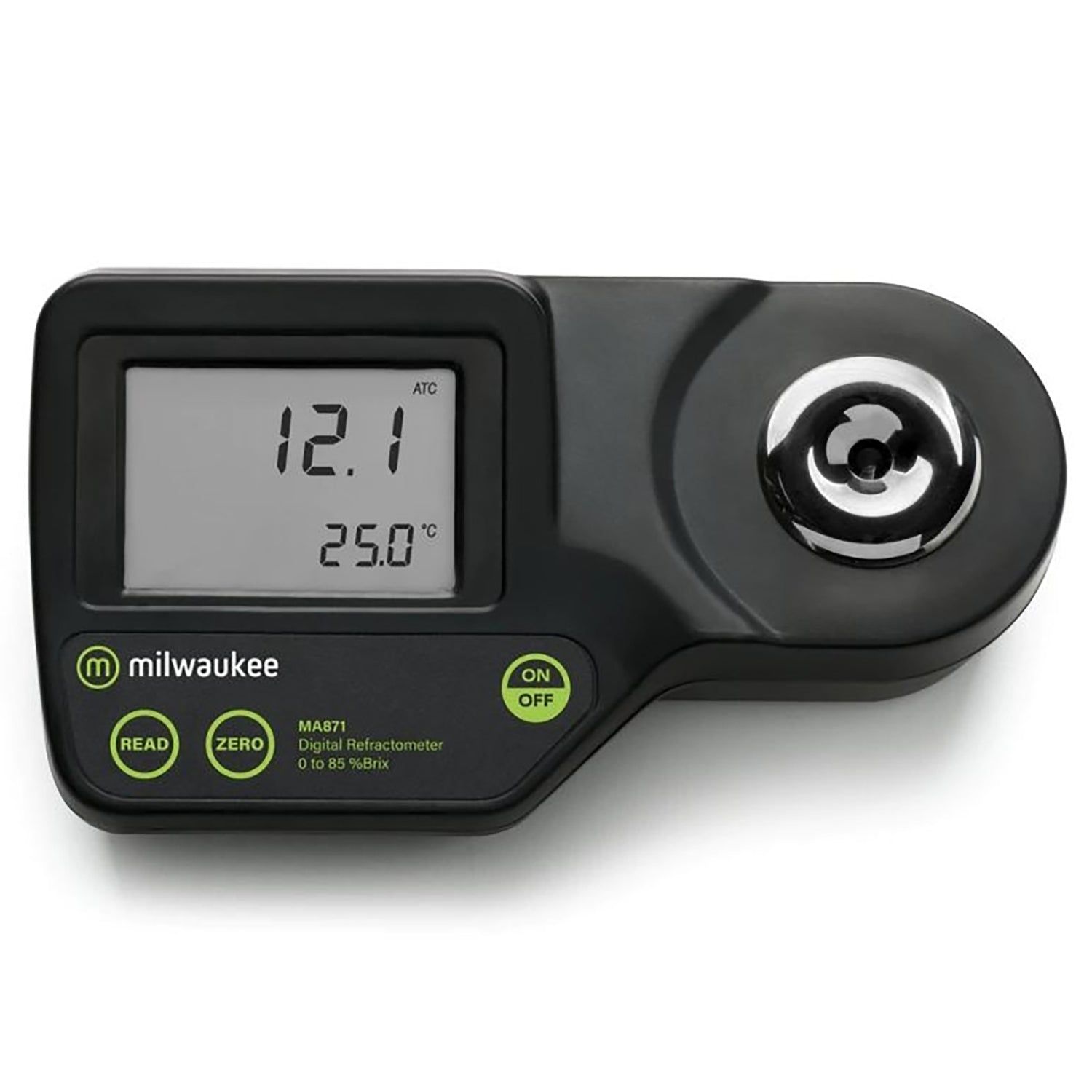 |
||||||||||||||||||||||||||
| Product Overview |
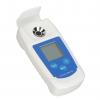
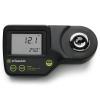
The Multi-Function Dairy Refractometer is a compact handheld optical testing instrument developed for professional dairy and livestock management. Instead of relying on a single measurement scale, the multi-function platform can combine several application-specific scales in one portable device. Typical applications include Brix-based colostrum quality screening, milk or waste-milk total-solids evaluation, animal serum total protein measurement and large-animal urine specific gravity testing. These functions make the instrument useful across dairy farms, calf-rearing facilities, veterinary service operations and livestock production projects. For commercial livestock operations, the handheld format allows testing to be carried out close to the sampling point without permanent installation. The instrument can be included in farm SOPs for colostrum management, calf health monitoring, milk feeding control and routine quality assessment. |
||||||||||||||||||||||||||
| Key Features |
|
||||||||||||||||||||||||||
| Structural Components |
|
||||||||||||||||||||||||||
| Working Principle / Structural Principle |
The refractometer determines the refractive behavior of a liquid sample. A small quantity of sample is placed on the optical measuring surface, and the internal detector evaluates the optical signal. The instrument then converts the result into the selected measurement scale. For colostrum, the Brix scale provides an indirect indicator of composition and can be incorporated into colostrum quality management. For milk, a total-solids scale can assist with monitoring liquid feed consistency. Animal serum total protein and urine specific gravity scales can support calf health monitoring when used according to appropriate veterinary protocols. Automatic temperature correction can reduce measurement variation associated with sample temperature within the applicable operating range. The exact temperature compensation method and range depend on the selected instrument configuration. |
||||||||||||||||||||||||||
| Technical Specifications |
The listed values are reference specifications from comparable multi-function digital dairy refractometer configurations. Final specifications should be confirmed against the approved product datasheet and project quotation. |
||||||||||||||||||||||||||
| Applications |
|
||||||||||||||||||||||||||
| Customization Options |
The multi-function platform can be configured for different livestock and dairy applications. Scale combinations and commercial configurations are available according to project requirements.
|
||||||||||||||||||||||||||
| Installation & Maintenance |
Installation: No permanent installation is normally required. The handheld unit can be carried directly to the sampling point in a dairy barn, calf facility, veterinary room or farm service area. Testing procedure: Clean the sample surface, place a representative liquid sample on the measuring area, select the required scale and start the measurement. Record the result according to the farm SOP. Cleaning: Clean the sample well and optical surface after each measurement to minimize residue and cross-contamination. Follow the selected instrument manufacturer's cleaning instructions. Calibration: Water calibration is available on applicable configurations. Calibration should be checked at the frequency specified by the farm quality-control procedure. Storage: Store the refractometer in a clean, dry location and protect it from excessive heat, impact, corrosive chemicals and unnecessary moisture exposure. |
||||||||||||||||||||||||||
| Project Cases |
The Multi-Function Dairy Refractometer can be incorporated into dairy and livestock projects where one portable instrument is required for several routine quality-control tasks. Typical project environments include commercial dairy farms, calf ranches, integrated livestock production groups, veterinary service networks and agricultural engineering projects supplying complete farm equipment packages. For international farm projects, the instrument configuration can be selected according to local operating conditions, management procedures and testing objectives. Scale combinations, packaging and documentation can be arranged according to project requirements. |
||||||||||||||||||||||||||
| Product FAQ |
Q1: What makes a dairy refractometer multi-function?
A multi-function refractometer can contain several measurement scales in one handheld instrument. Depending on the configuration, these may include Brix, milk total solids, animal serum total protein and large-animal urine specific gravity. Q2: Can it test colostrum?
Yes. The Brix scale can be used for colostrum quality screening. Brix is an indirect measurement and should be interpreted using a validated protocol appropriate for the animal species being tested. Q3: Can it be used on commercial pig farms?
Yes, where the Brix function is selected and an appropriate porcine colostrum interpretation protocol is used. It can support sow colostrum screening as part of a broader farrowing and neonatal management program. Q4: What other dairy measurements can be performed?
Depending on the configuration, the instrument can measure milk total solids, animal serum total protein and large-animal urine specific gravity in addition to Brix. Q5: Does the instrument require fixed installation?
No. It is a portable handheld instrument and normally requires no fixed installation, making it suitable for field testing in barns and farm service areas. Q6: How much sample is required?
Only a small quantity is normally required to cover the sample well. The exact sample volume depends on the selected refractometer configuration. Q7: Can the measurement scales be customized?
Yes. Scale combinations can be customizable according to project requirements, subject to the capabilities of the selected instrument platform. Q8: Is a refractometer a replacement for laboratory testing?
No. Refractometry is intended for rapid field screening and routine management. Clinical diagnosis, research validation and regulatory testing should use appropriate laboratory methods when required. Q9: How should the instrument be maintained?
Clean the sample surface after each test, check calibration periodically and store the instrument in suitable conditions. Detailed maintenance procedures should follow the final product manual. |
||||||||||||||||||||||||||
| Product Gallery |
|
- Home
-
Products
- Pig Farming Equipment
- Cattle Farming Equipment
- Sheep & Goat Farming Equipment
- Poultry Farming Equipment
- Feeding & Drinking Systems
- Veterinary & Breeding Equipment
- Testing & Diagnostic Equipment
- Cleaning & Biosecurity Equipment
- Climate Control Equipment
- Livestock Weighing Equipment
- Manure & Waste Management
- Farm Transport & Handling
-
Solutions
- Pig Farm Solutions
- Dairy Farm Solutions
- Beef Cattle Farm Solutions
- Sheep & Goat Farm Solutions
- Layer Farm Solutions
- Broiler Farm Solutions
- Feeding & Drinking System Solutions
- Climate Control Solutions
- Biosecurity & Disinfection Solutions
- Manure & Waste Management
- Smart Farming Solutions
- Farm Renovation and Upgrade Solutions
- Partners
- Projects
- Resources
- News
- About Us
- Contact
Comments & Inquiries
Leave your questions or requirements below. We will reply as soon as possible.