


| Product Showcase | Content | ||||||||||||||||||||
| Product Name | Bulk Cattle Magnets | ||||||||||||||||||||
| Product Image | 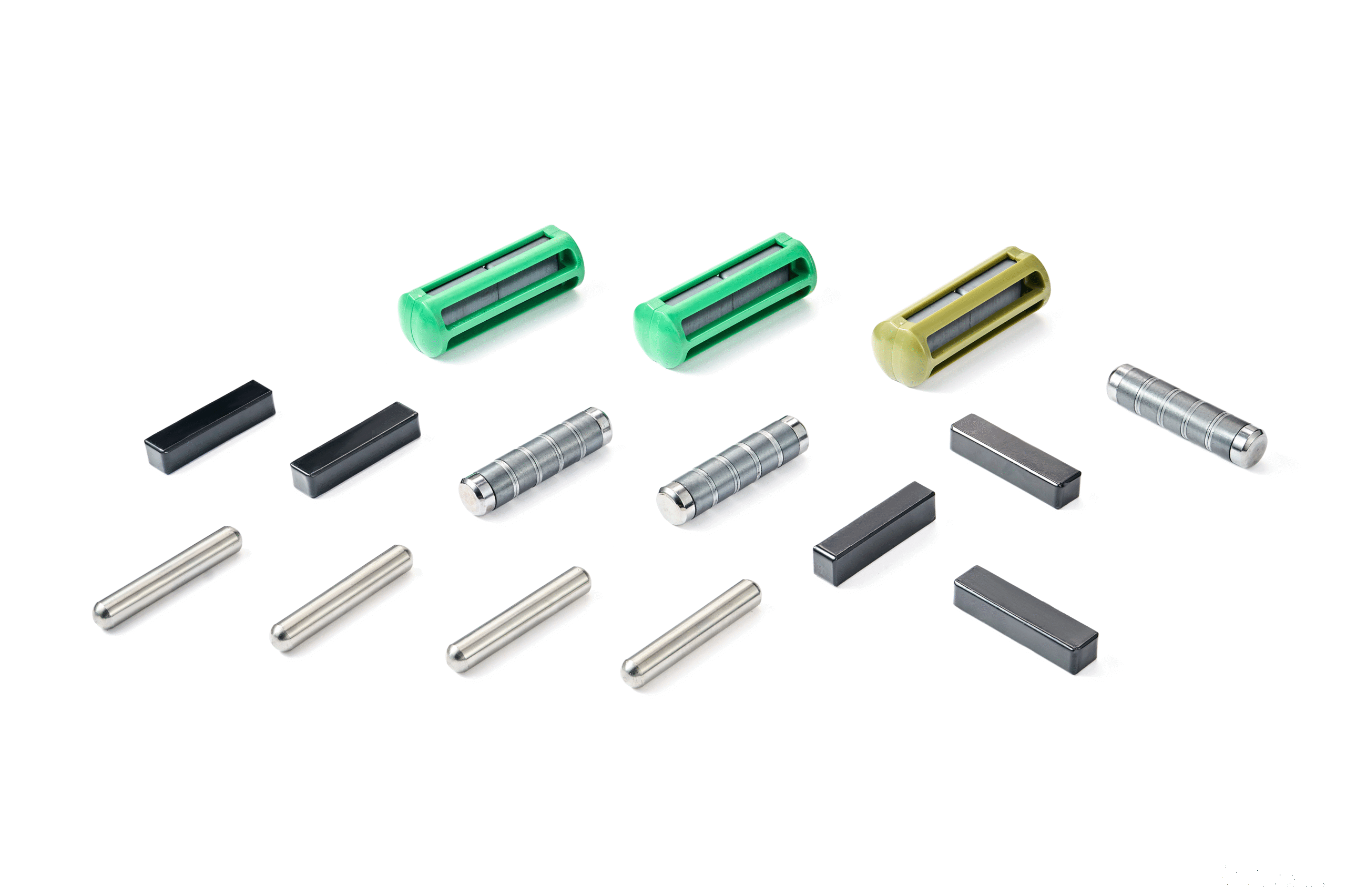 |
||||||||||||||||||||
| Product Overview |
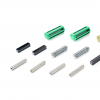
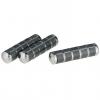
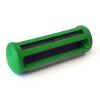
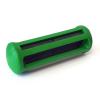
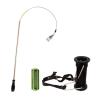
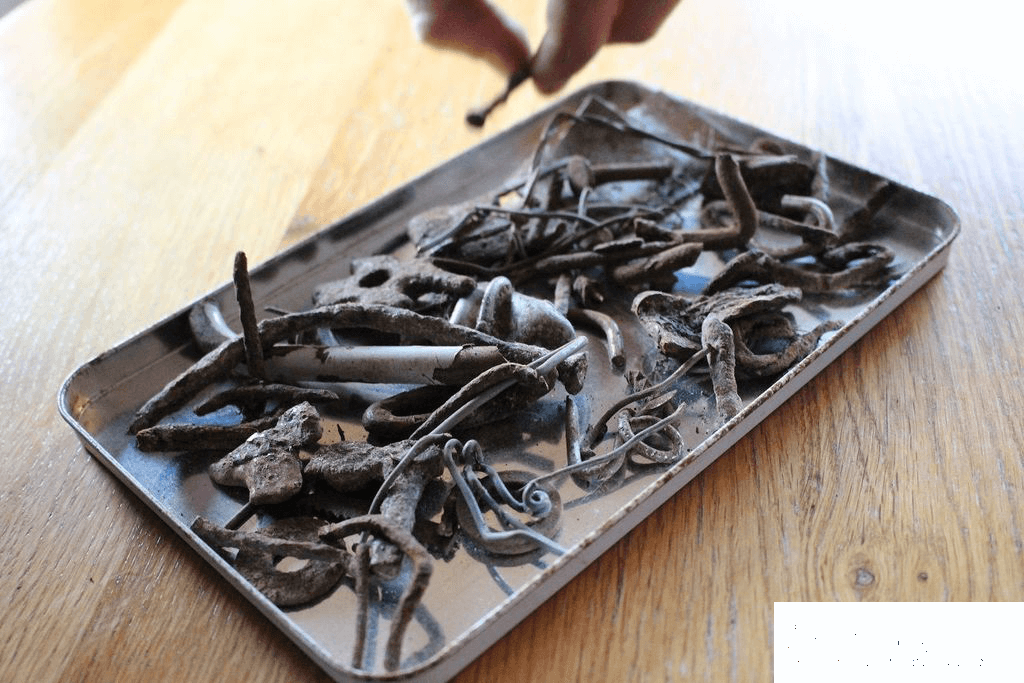
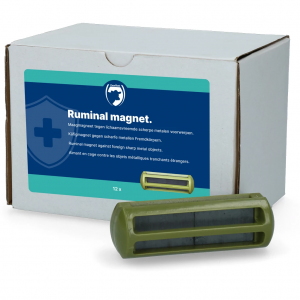
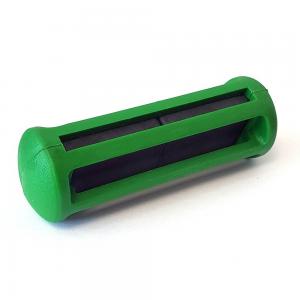
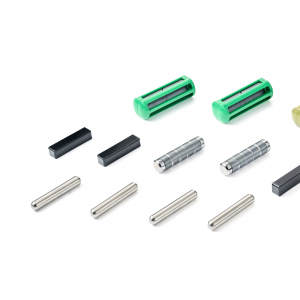
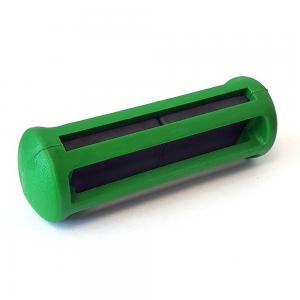
Bulk Cattle Magnets are veterinary livestock products designed to help prevent hardware disease in cattle. When cattle accidentally ingest ferrous metal debris such as nails, wire, staples or other iron-containing fragments, these objects may settle in the reticulum and cause internal injury. The magnet is administered orally and settles in the rumen or reticulum, where its magnetic field attracts and retains ferrous foreign bodies. This helps keep loose metal debris localized and reduces the risk of sharp objects migrating into surrounding tissue. Multiple configurations are available, including smooth AlNiCo rod magnets, ferrite magnets, ringed ferrite designs, plastic-caged magnets and stainless-steel enclosed magnetic assemblies. Bulk supply is suitable for commercial herd-health programs and veterinary distribution channels. |
||||||||||||||||||||
| Key Features |
|
||||||||||||||||||||
| Structural Components |
The exact structure depends on the selected model. Material, dimensions and housing configuration can be customized according to project requirements. |
||||||||||||||||||||
| Working Principle / Structural Principle |
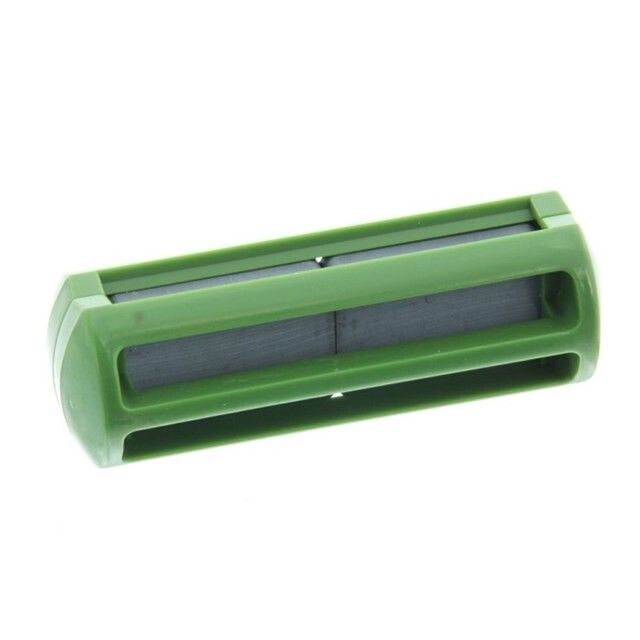
Cattle magnets operate as passive permanent magnetic devices. After appropriate oral administration, the magnet settles within the cattle's rumen or reticulum. Ferrous objects accidentally consumed with feed or forage are attracted toward the magnetic surface. Once captured, the metal debris is retained by the magnet rather than remaining freely mobile within the digestive system. In caged designs, the surrounding structure provides additional space for collecting and containing attracted metal fragments. This preventive approach is intended to reduce the risk associated with sharp ferrous foreign bodies and is commonly incorporated into cattle herd-health management programs. Appropriate veterinary advice should be followed for administration and use. |
||||||||||||||||||||
| Technical Specifications |
|
||||||||||||||||||||
| Applications |
Bulk Cattle Magnets are suitable for cattle operations where preventive management of accidental ferrous-metal ingestion is required.
For international procurement, bulk quantities can be coordinated with veterinary consumables, livestock equipment and other cattle-health products to support centralized farm supply programs. |
||||||||||||||||||||
| Customization Options |
Bulk Cattle Magnets can be configured for different distribution markets and herd-health programs according to application and procurement requirements.
|
||||||||||||||||||||
| Installation & Maintenance |
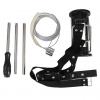
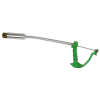
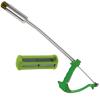
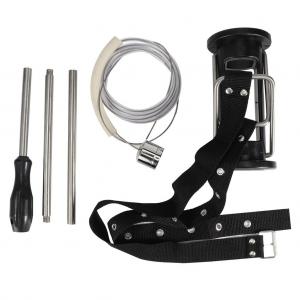
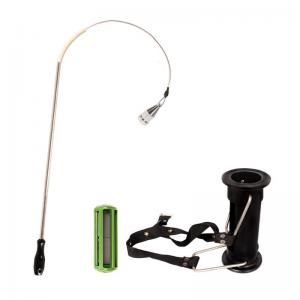
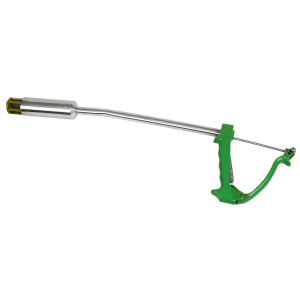
Cattle magnets are orally administered rather than mechanically installed in livestock housing or farm equipment. Administration should be carried out by a veterinarian or trained livestock professional using a suitable cattle balling gun or magnet applicator.
Maintenance: Properly administered rumen magnets generally require no routine mechanical maintenance. Store unused magnets in a clean, dry location and keep strong magnets away from magnetic-sensitive electronic equipment and other incompatible materials. |
||||||||||||||||||||
| Project Cases |
Bulk Cattle Magnets are suitable for centralized purchasing programs serving commercial dairy and beef farms. They can be supplied as standardized consumables for scheduled herd-health procedures. For agricultural distributors, veterinary suppliers, livestock project contractors and international agents, different magnet configurations and packaging quantities can be coordinated for regional distribution, private-label programs and large-volume procurement. |
||||||||||||||||||||
| Product FAQ |
Q1. What are Bulk Cattle Magnets used for?
They are veterinary devices used to attract and retain ferrous metal foreign bodies in cattle as part of hardware disease prevention programs. Q2. What is hardware disease?
Hardware disease, also known as bovine traumatic reticuloperitonitis, can occur when cattle ingest sharp metal objects that become lodged in the reticulum and may cause internal injury or infection. Q3. What materials can be used for cattle magnets?
Common configurations use AlNiCo, ferrite or neodymium magnetic materials, with stainless steel or polymer protection available for selected designs. Q4. What types of cattle magnets are available?
Available designs can include smooth rod magnets, block magnets, ringed ferrite magnets, plastic-caged magnets and stainless-steel enclosed magnets. Q5. How are cattle magnets administered?
They are normally administered orally using an appropriate cattle balling gun or applicator under veterinary or trained livestock professional supervision. Q6. Can cattle magnets be purchased in bulk?
Yes. Bulk quantities, packaging configurations and product specifications can be customized according to distributor, veterinary supply and commercial livestock project requirements. Q7. Can the product be customized for OEM orders?
Yes. Magnet material, dimensions, housing, appearance, packaging and product marking can be customized according to project requirements, subject to technical evaluation. |
||||||||||||||||||||
| Product Gallery |
  |
- Home
-
Products
- Pig Farming Equipment
- Cattle Farming Equipment
- Sheep & Goat Farming Equipment
- Poultry Farming Equipment
- Feeding & Drinking Systems
- Veterinary & Breeding Equipment
- Testing & Diagnostic Equipment
- Cleaning & Biosecurity Equipment
- Climate Control Equipment
- Livestock Weighing Equipment
- Manure & Waste Management
- Farm Transport & Handling
-
Solutions
- Pig Farm Solutions
- Dairy Farm Solutions
- Beef Cattle Farm Solutions
- Sheep & Goat Farm Solutions
- Layer Farm Solutions
- Broiler Farm Solutions
- Feeding & Drinking System Solutions
- Climate Control Solutions
- Biosecurity & Disinfection Solutions
- Manure & Waste Management
- Smart Farming Solutions
- Farm Renovation and Upgrade Solutions
- Partners
- Projects
- Resources
- News
- About Us
- Contact


Comments & Inquiries
Leave your questions or requirements below. We will reply as soon as possible.