Global Livestock Equipment Manufacturer & Supplier
SHEWUYOU · Livestock Equipment
Integrated Equipment Solutions for Pig, Cattle & Poultry Farms

Grain & Silage Cattle Bunk Feeder

Product Showcase Content
Product Name GRAIN & SILAGE CATTLE BUNK FEEDER
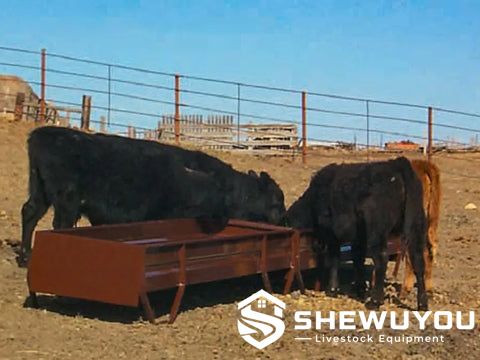
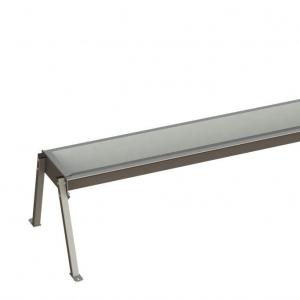
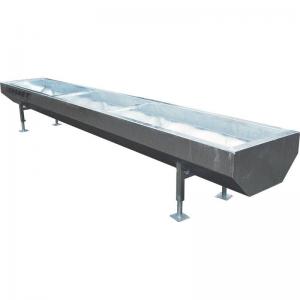
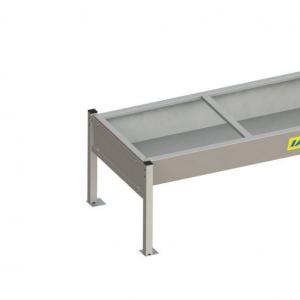
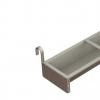
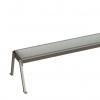
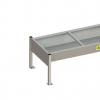
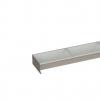
Product Image Grain and Silage Cattle Bunk Feeder
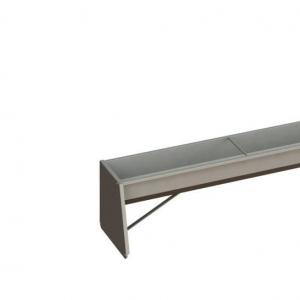
Product Overview The Grain & Silage Cattle Bunk Feeder is a heavy-duty linear feeding trough designed for grain, silage, hay and other cattle rations. Its deep V-shaped body provides high feed capacity while maintaining convenient access for beef cattle, dairy cattle and growing stock.

The all-steel structure combines corrugated side panels, reinforced square ends and raised skid legs for reliable use in commercial cattle farms, feedlots, pasture feeding areas and livestock housing projects.
Key Features
  • Multi-Feed Application: Suitable for grain, silage, hay and other appropriate cattle rations.
  • Heavy-Duty All-Steel Construction: Designed for repeated daily use in commercial livestock operations.
  • Corrugated Side Panels: Formed steel sides increase panel rigidity and structural strength.
  • Deep V-Bottom: Directs remaining feed toward the center for easier consumption and cleaning.
  • Drain Holes: Help remove rainwater and washing water from the bottom of the feeder.
  • Raised Skid Legs: Keep the bunk above ground level and make repositioning easier.
  • Large Feed Capacity: The reference silage bunk provides approximately 32 cubic feet or 26 bushels of capacity.
  • Continuous Steel Sheeting: Hemmed and continuous side construction reduces unnecessary joints.
  • End-to-End Installation: Optional connectors can help keep multiple bunk feeders aligned in a continuous feeding row.
  • Customizable: Dimensions, steel thickness, finish and structural configuration can be adapted according to project requirements.
Structural Components
  • V-Shaped Feed Pan: Deep steel trough body designed for bulk grain, silage and forage feeding.
  • Corrugated Sidewalls: Reinforced formed panels improve stiffness along the full feeder length.
  • Heavy-Duty End Plates: Reinforce both ends and help maintain structural alignment.
  • Square-Tube Skid Legs: Support the bunk above ground and provide a stable base.
  • Drainage Openings: Allow water to escape from the bottom of the trough.
  • Optional Bunk Connectors: Keep adjacent feeders aligned when installed end-to-end.
Structural Principle Feed is distributed along the open bunk so cattle can access the ration from the available feeding side or sides. The V-shaped bottom directs loose feed toward the lowest central area, helping improve feed access and simplify clean-out.

Corrugated steel sidewalls and reinforced ends carry the feed load, while the raised skid legs transfer the load to the supporting surface and keep the feeder body above mud, snow and standing water. Multiple bunk feeders can be positioned end-to-end to create longer feeding lines.
Technical Specifications
Product Type Grain & Silage Cattle Bunk Feeder
Reference Length 11 ft 6 in / Approx. 3.51 m
Reference Width 30 in / Approx. 762 mm
Reference Overall Height 22 in / Approx. 559 mm
Reference Trough Depth 15 in / Approx. 381 mm
Reference Capacity 32 cu. ft. / 26 Bushels
Reference Weight 188 lb / Approx. 85 kg
Reference Side Sheeting 16-Gauge Corrugated Steel
Reference End Plates 14-Gauge Steel
Reference Leg Structure 1-1/4 in, 16-Gauge Square Steel Tube
Bottom Profile V-Bottom
Drainage Drain Holes
Reference Finish Baked-On Powder-Coated Steel
Alternative Finish Galvanized / Custom Protective Finish Available Upon Request
Installation Type Freestanding / End-to-End Feeding Line
Applicable Feed Grain / Silage / Hay / Chopped Forage / Mixed Rations
Other Sizes Customizable
Applications
  • Commercial beef cattle farms
  • Dairy cattle operations
  • Feedlots and finishing cattle units
  • Cow-calf operations
  • Growing and replacement cattle
  • Pasture and outdoor feeding areas
  • Open cattle yards and paddocks
  • Steel-structure cattle barns
  • Grain, silage, hay and forage feeding
  • New livestock farm construction and renovation projects
Customization Options
  • Feeder length, width and depth
  • Steel sheet thickness and structural reinforcement
  • Skid-leg dimensions and support configuration
  • Powder-coated or galvanized surface protection
  • Drain-hole quantity and position
  • End-to-end bunk connectors
  • Feeding height according to livestock size
  • OEM branding and project-specific packaging
  • Available according to project requirements
  • Designed according to local climate and farm conditions
Installation & Maintenance
  • Place the feeder on firm and reasonably level ground to maintain stable feed distribution.
  • Provide sufficient cattle access and adequate clearance for tractors, loaders or feed-delivery equipment.
  • When multiple feeders are installed end-to-end, align the bunk sections before fitting connectors.
  • Keep drain holes open to prevent rainwater and wash water from accumulating inside the trough.
  • Remove stale, fermented or spoiled feed regularly to maintain feed hygiene.
  • Inspect corrugated panels, end plates, skid legs and welded connections periodically.
  • Repair damaged powder coating or galvanized surfaces promptly to reduce localized corrosion.
  • Inspect internal surfaces more frequently when feeding high-moisture or acidic silage.
  • Use appropriate farm equipment when repositioning the feeder and avoid uncontrolled dragging on abrasive surfaces.
  • Clean and dry the feeder before extended storage or seasonal non-use.
Product FAQ

Q: What feed can be used in this cattle bunk feeder?
A: It is designed for grain, silage, hay, chopped forage and other suitable cattle rations.

Q: What is the reference feed capacity?
A: The reference silage bunk provides approximately 32 cubic feet or 26 bushels of feed capacity.

Q: Why does the feeder use a V-shaped bottom?
A: The V-bottom directs remaining feed toward the lowest area of the trough, helping improve feed access and simplify cleaning.

Q: What is the purpose of the drain holes?
A: Drain holes allow rainwater and washing water to escape, reducing standing moisture inside the feeder.

Q: Why are skid legs used?
A: Raised skid legs keep the feeder body above the ground, improve clearance in wet or winter conditions and make repositioning easier.

Q: Can several bunk feeders be connected together?
A: Yes. Optional connectors can help keep multiple feeders aligned when installed end-to-end.

Q: Can the size and finish be customized?
A: Yes. Dimensions, steel thickness, reinforcement and surface treatment can be customized according to project requirements.

Q: Can this feeder be supplied for complete cattle farm projects?
A: Yes. Feeder dimensions and layouts can be coordinated with cattle pens, feed alleys, steel-structure barns, feedlots and complete livestock housing projects.

Product Gallery
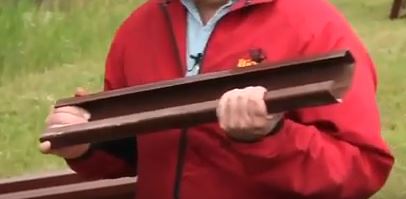
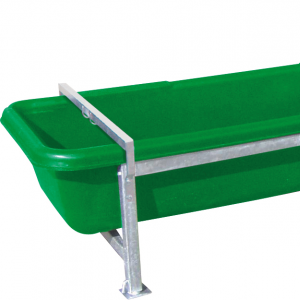
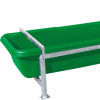
Cattle Bunk Feeder Connector Detail

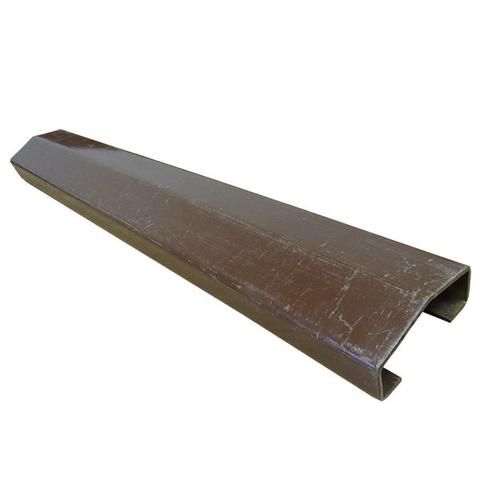
Steel Cattle Bunk Feeder Connector


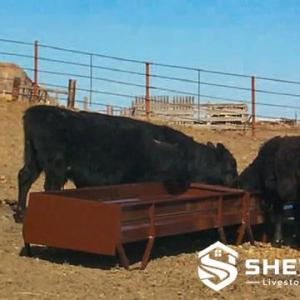
Galvanized Cattle Feeding Trough Farm Application

Comments & Inquiries

Leave your questions or requirements below. We will reply as soon as possible.